2025
Projects

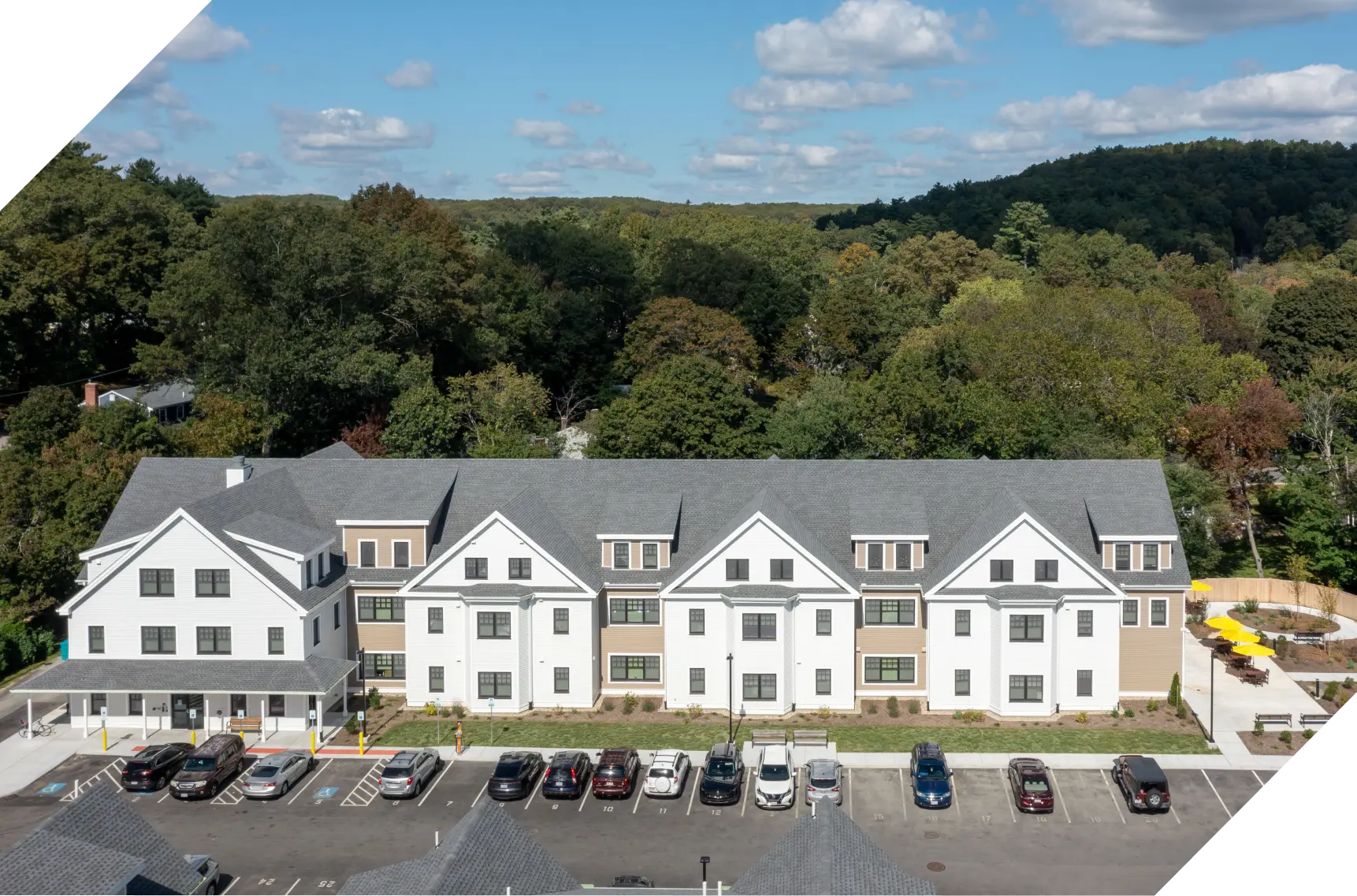
In FY25, CEDAC continued to support affordable housing development across the Commonwealth through early-stage financing and technical assistance provided in partnership with nonprofit and mission-driven organizations. Working across regions and housing types, CEDAC helped projects advance at critical points in the development process.
Through its affiliate, the Children’s Investment Fund (CIF), CEDAC also supported the expansion and improvement of early education facilities serving low-income families. The projects highlighted here reflect the breadth of this work and the role early investment plays in strengthening communities statewide.
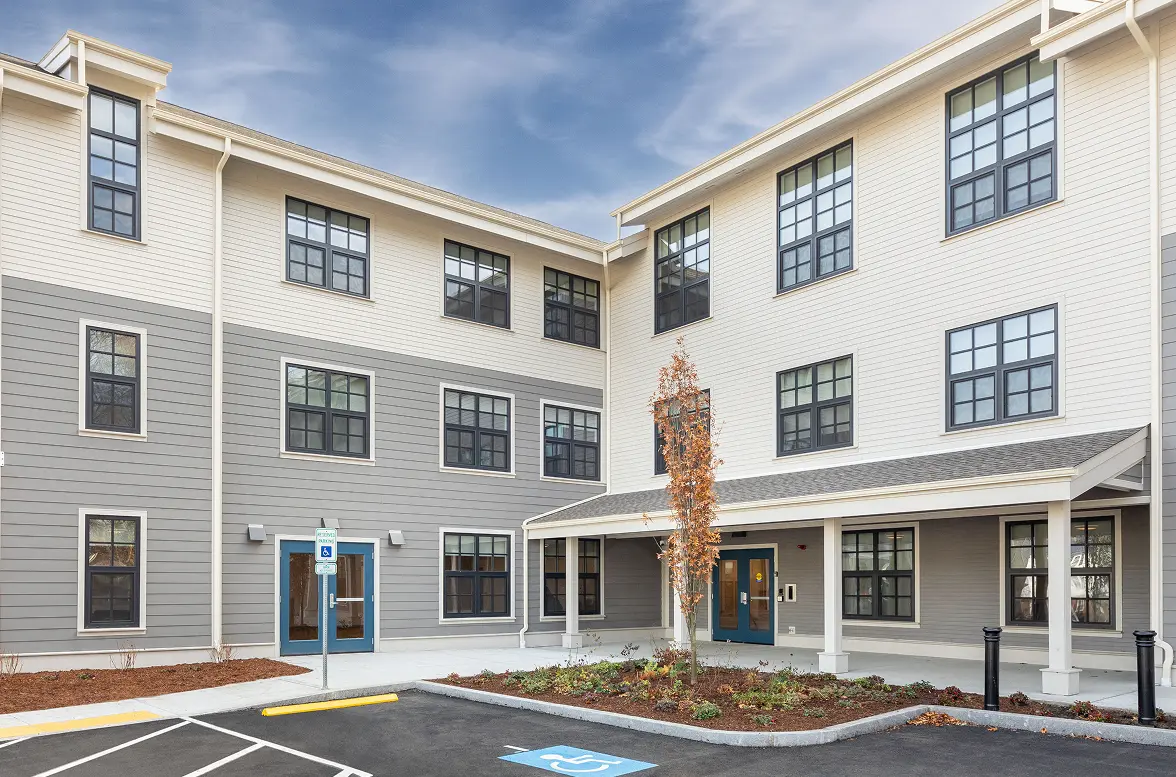
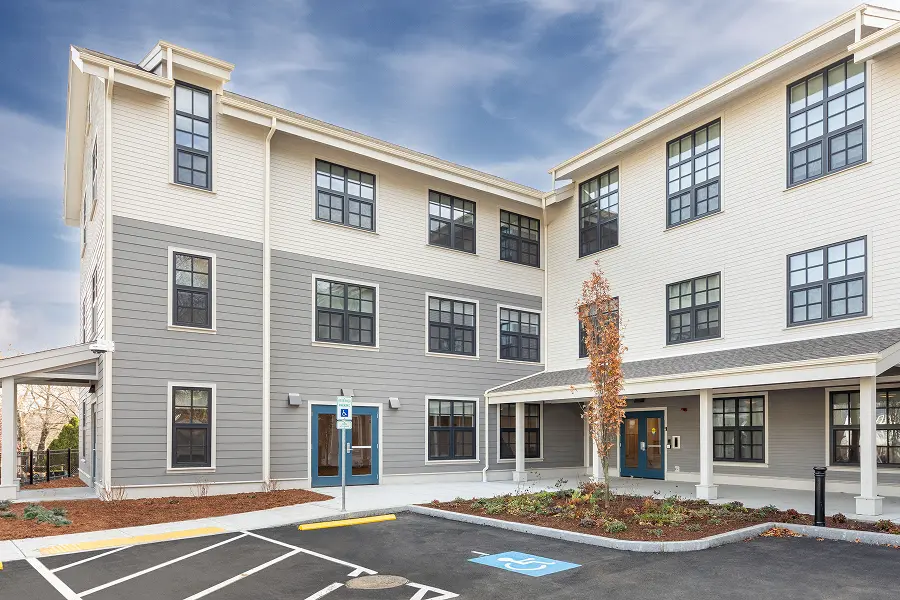
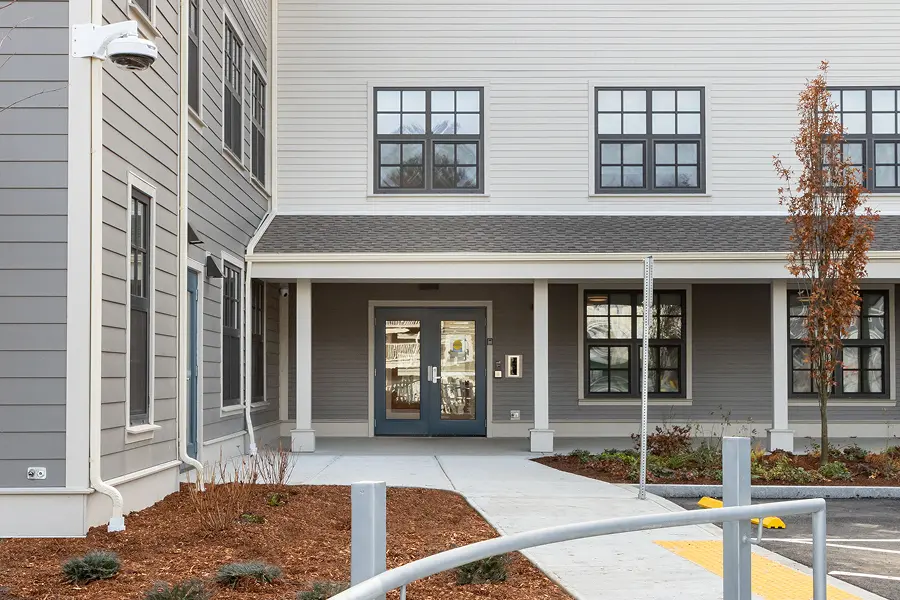
Planning Office for Urban Affairs (POUA) collaborated with Caribbean Integration Community Development on 150 River Street, a senior housing development in Mattapan using HUD’s Section 202 Capital Advance. The project transformed a vacant, city-owned parcel into new homes for older residents, with onsite programming shaped by resident input gathered through POUA’s Health & Housing Initiative.
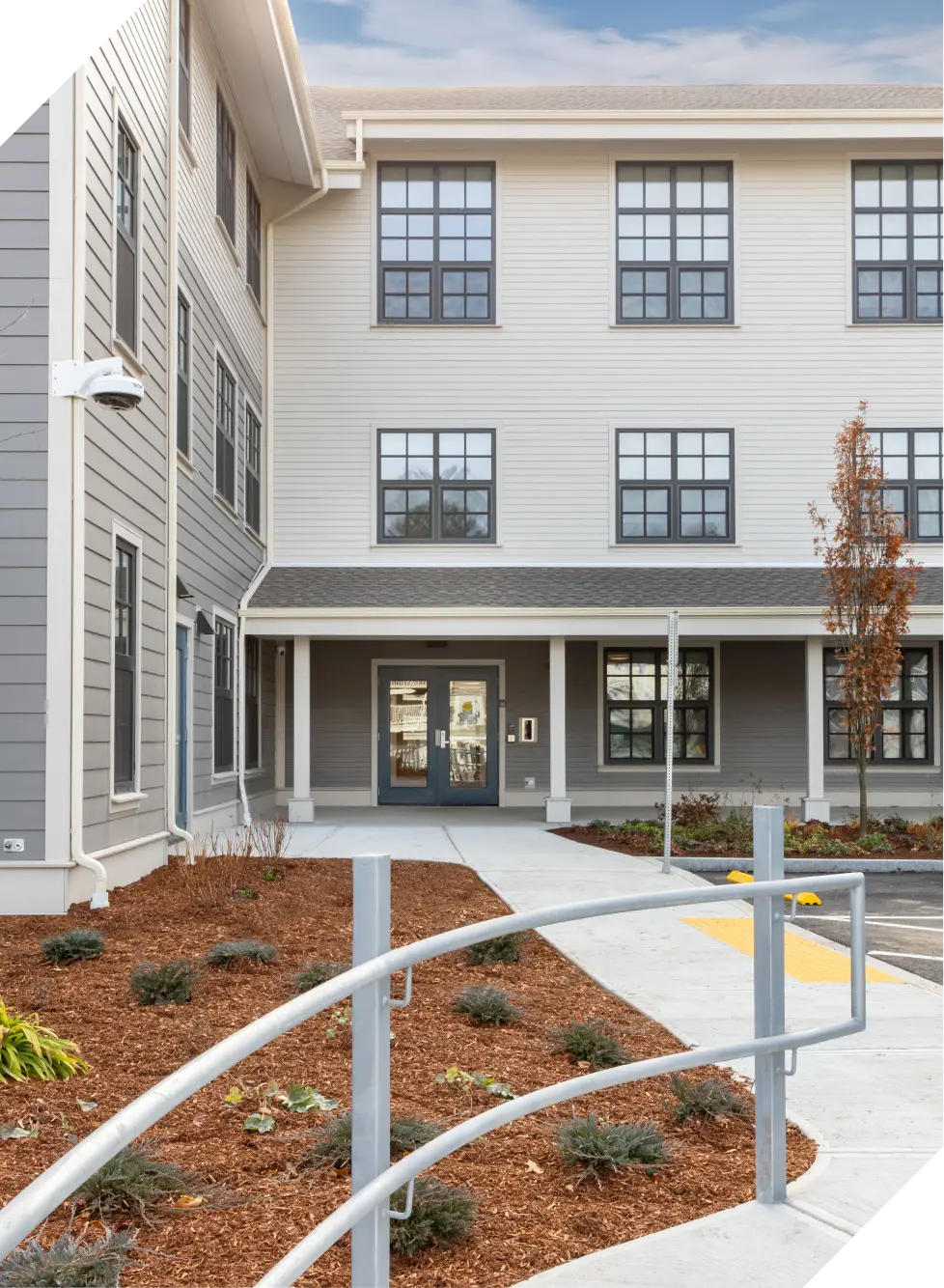
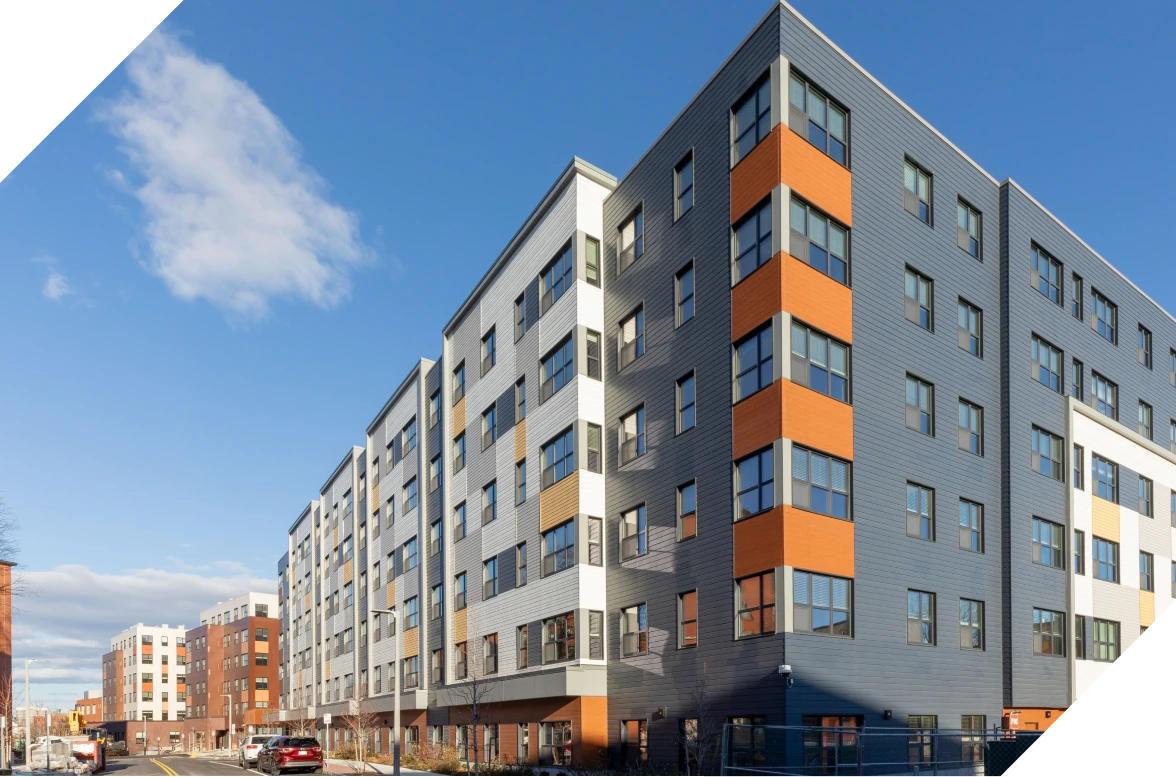
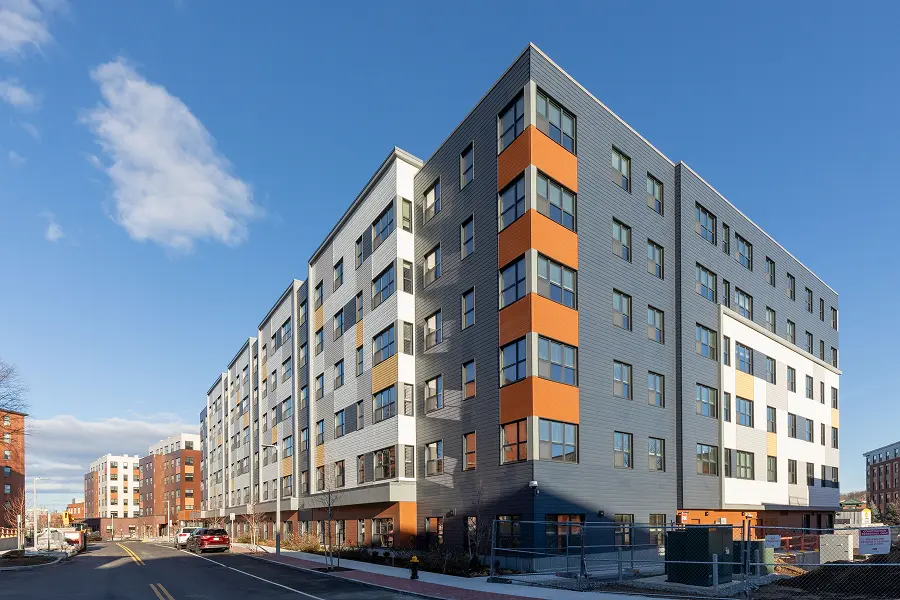
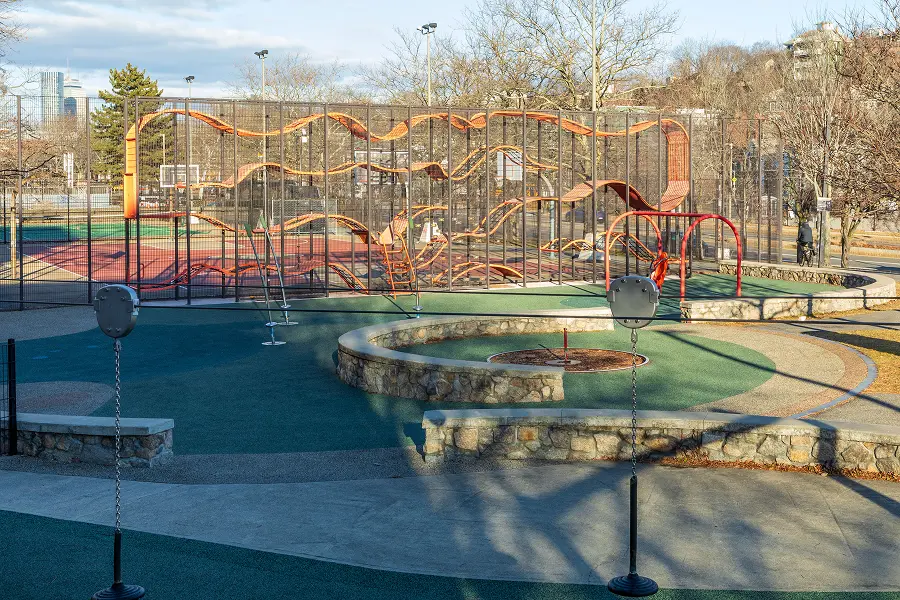
The Community Builders sponsored the redevelopment of Mildred Hailey Building 1A in Jamaica Plain, the first phase of a larger revitalization effort of this Boston public housing site created in 1954. The project preserves existing affordable homes while adding new apartments and community space, supporting long-term neighborhood stability.
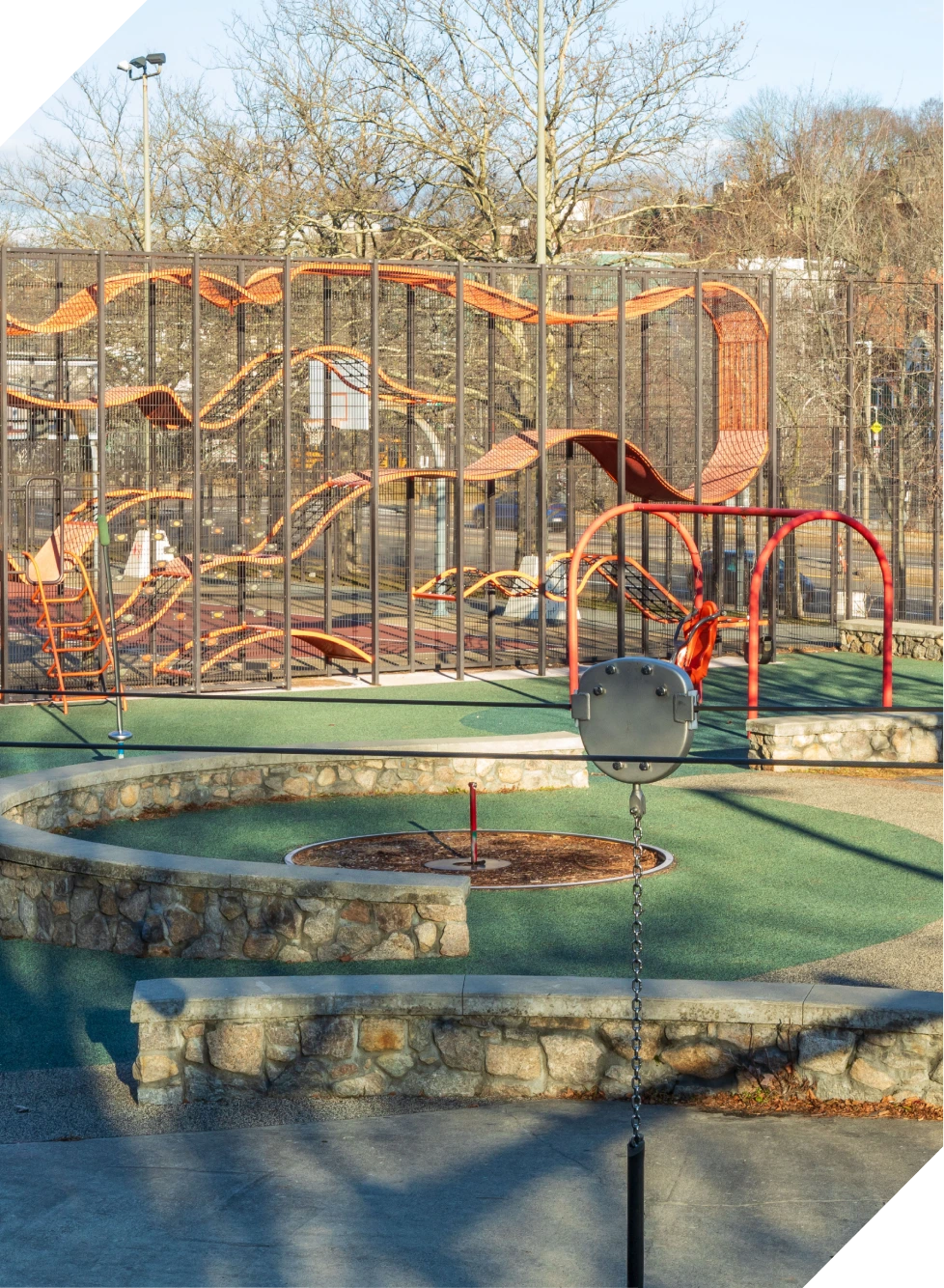
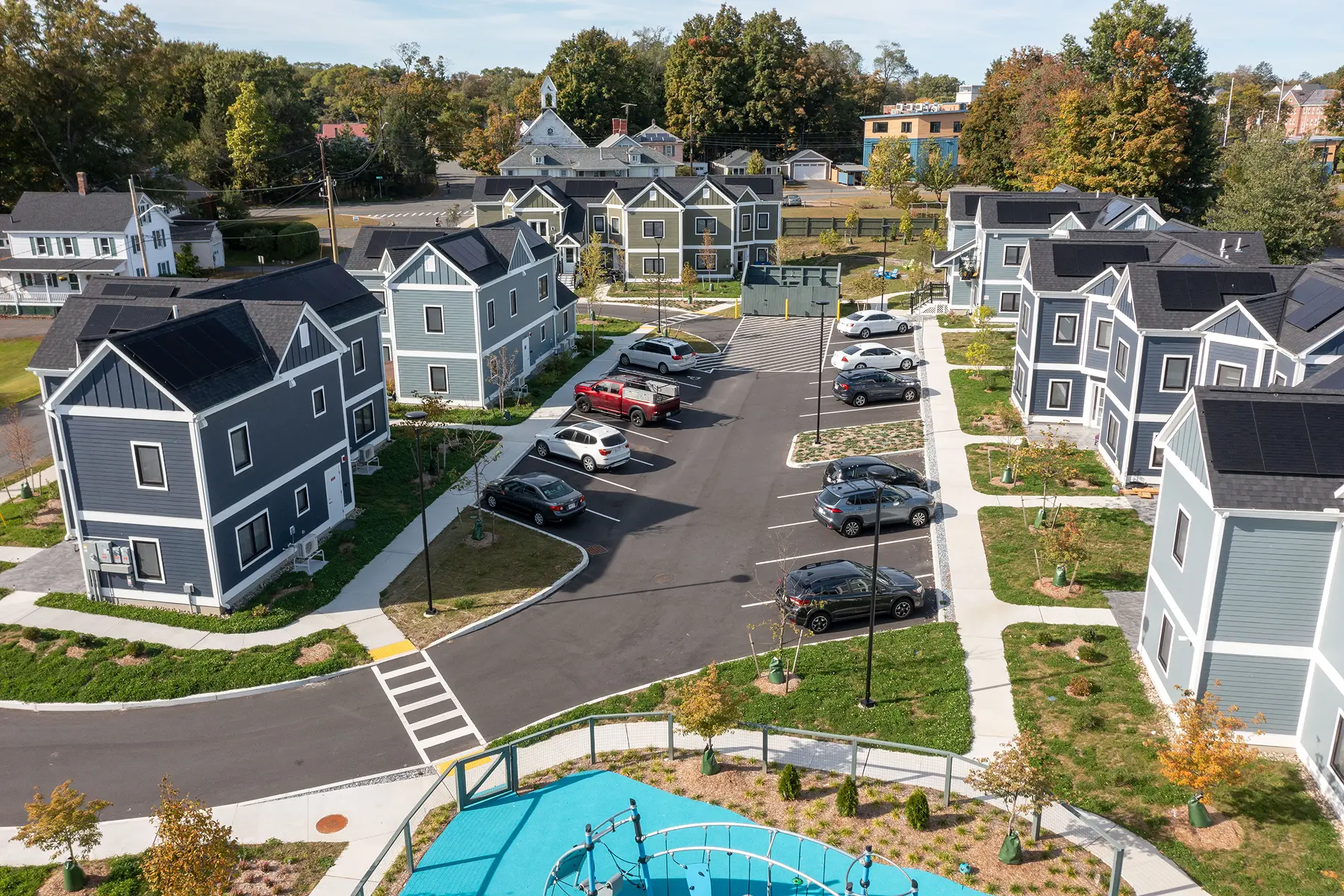
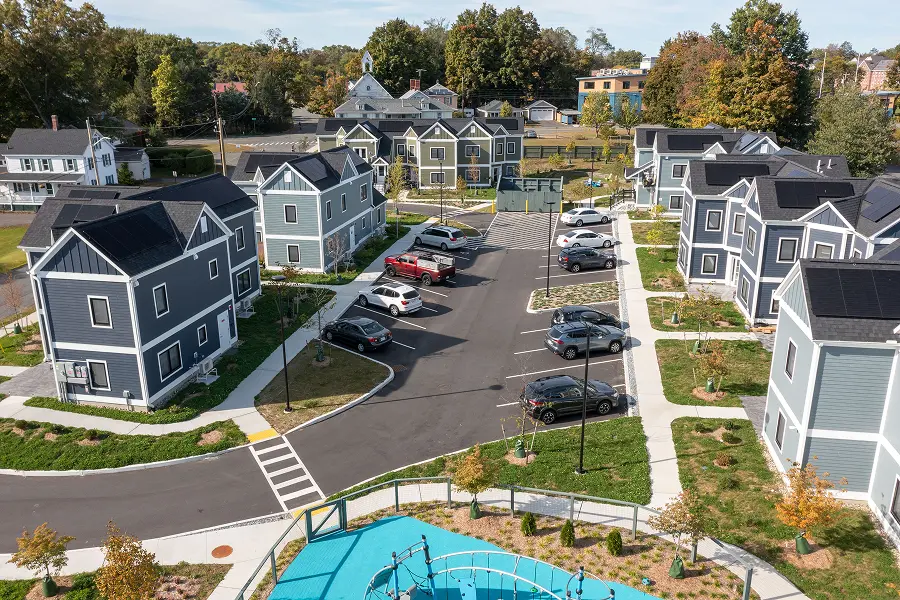
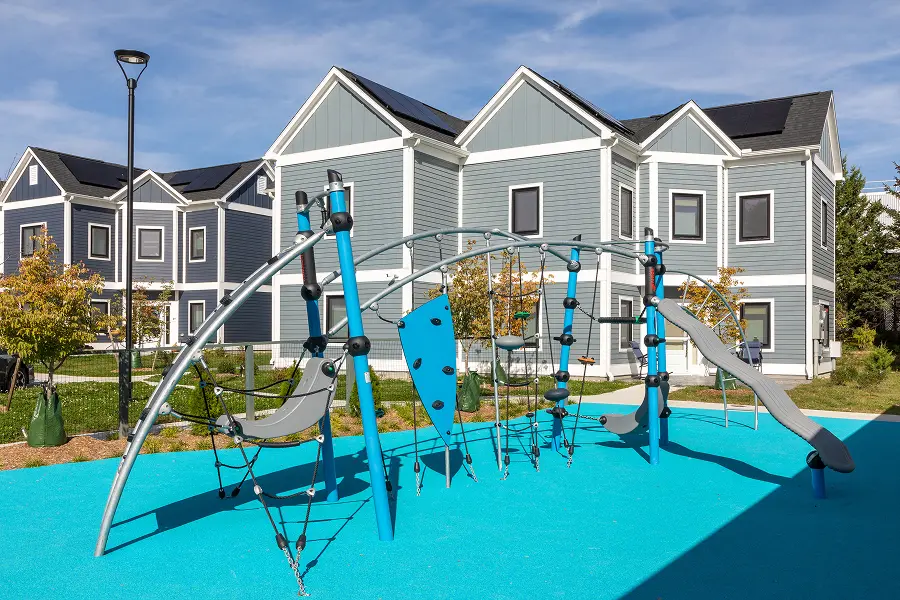
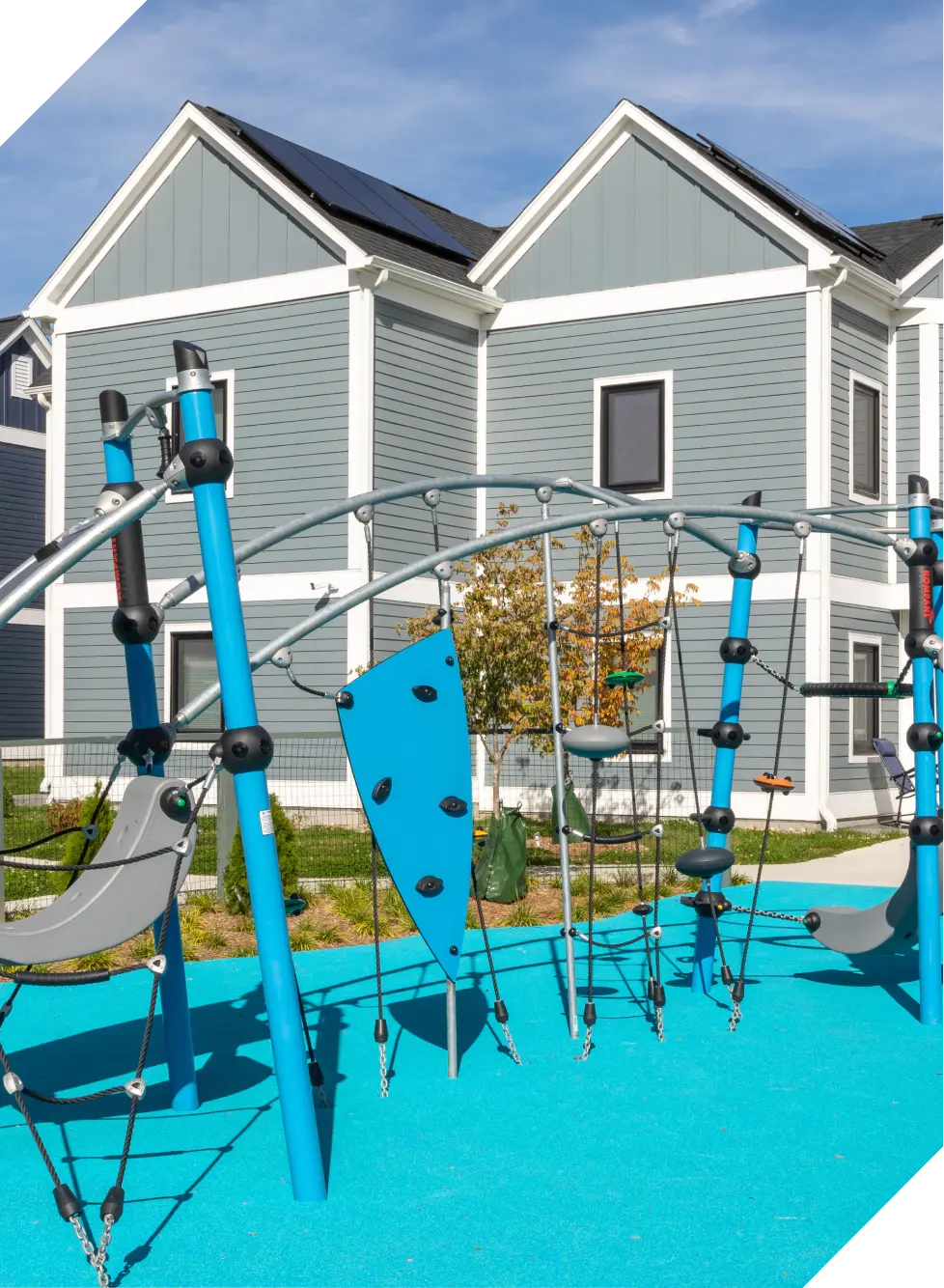
Valley Community Development Corporation developed 23 Laurel Street in Northampton to address multiple community needs with strong support from the City of Northampton. These family-friendly apartments have a private patio or balcony, an open floor plan with ample natural light, and solid wood cabinets. The property offers free off-street parking, covered bike storage, a shared pavilion, and a play structure. The development incorporates energy-efficient design and solar generation on site.
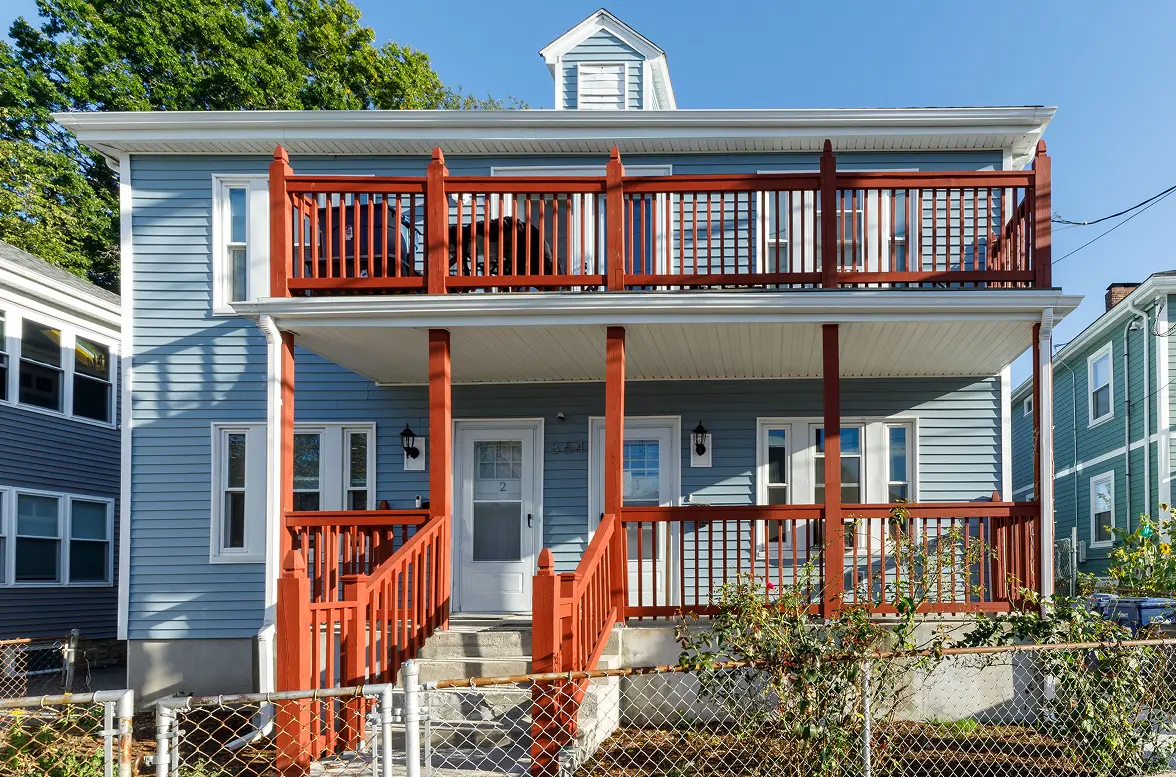
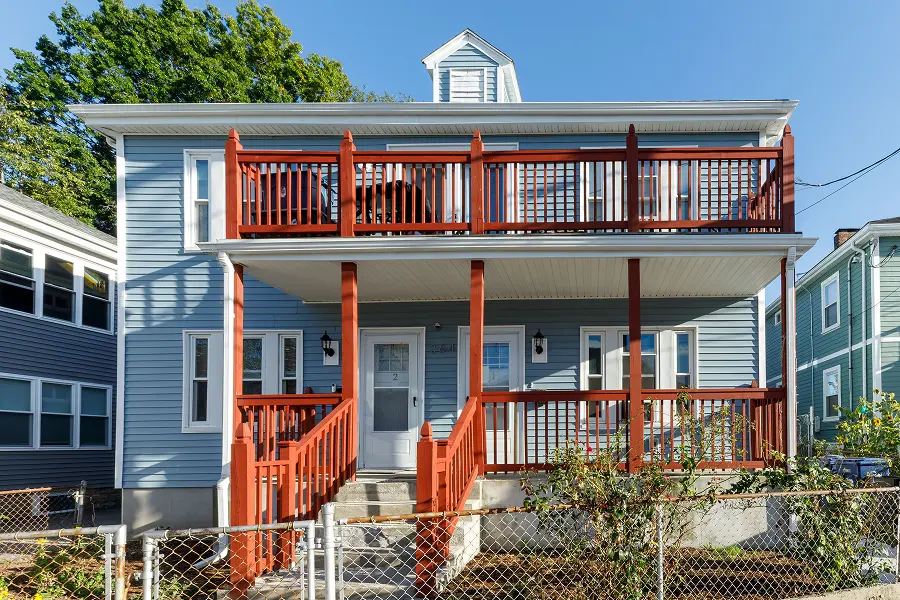
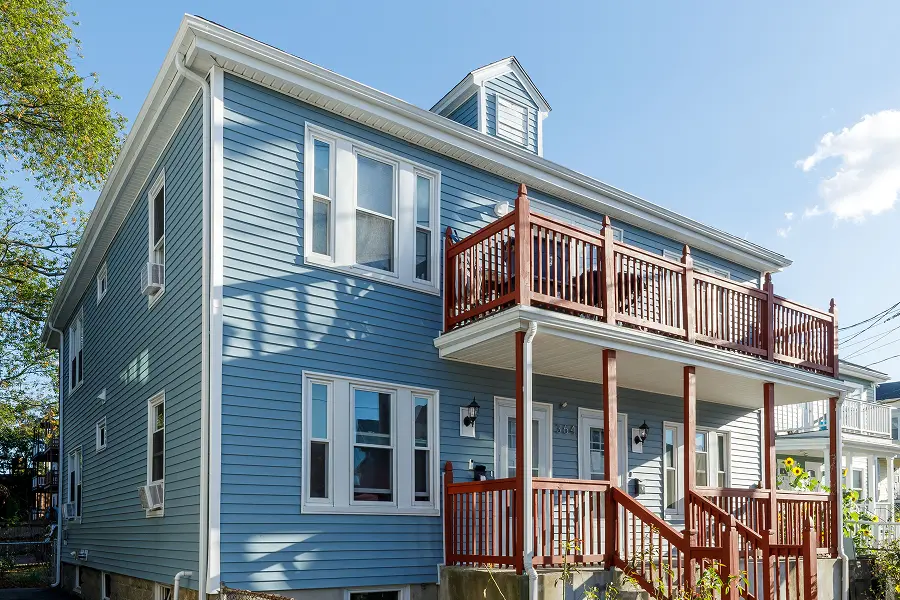
Boston Neighborhood Community Land Trust acquired 364 Harvard Street in Dorchester to preserve long-term affordability for two families. With support from CEDAC through the Small Property Acquisition Fund, the property was renovated and returned to use, helping residents remain in their community.
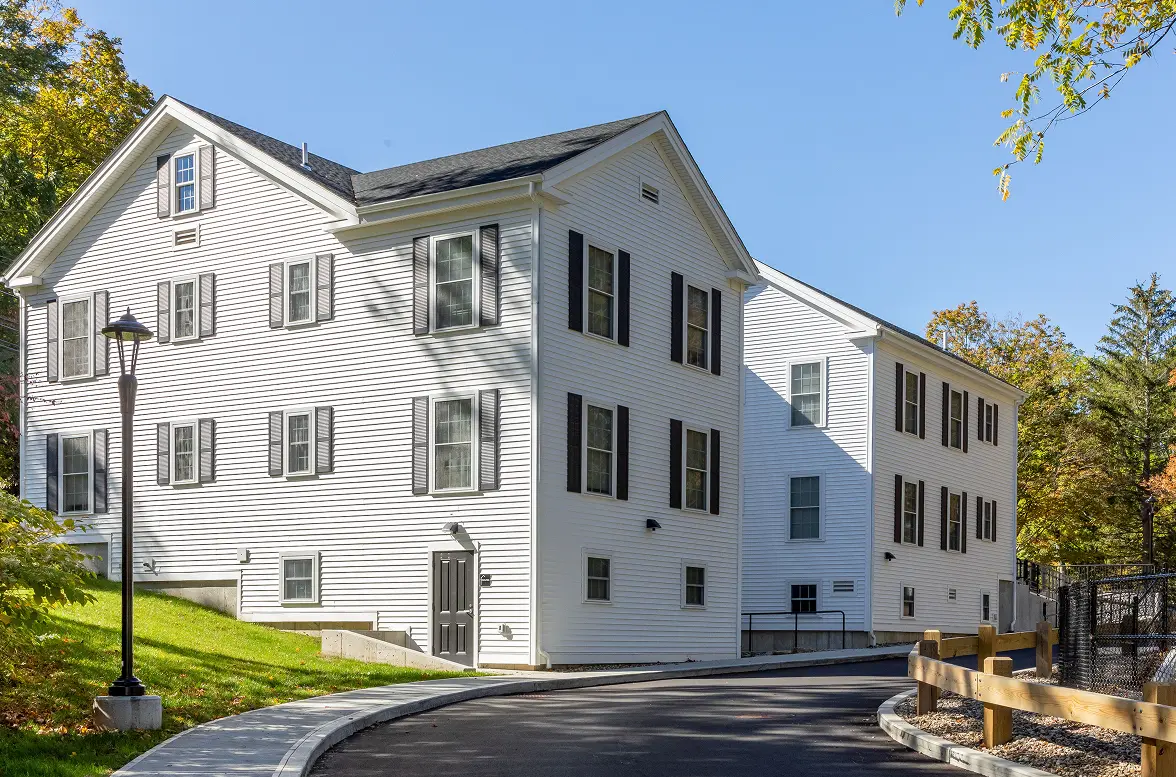
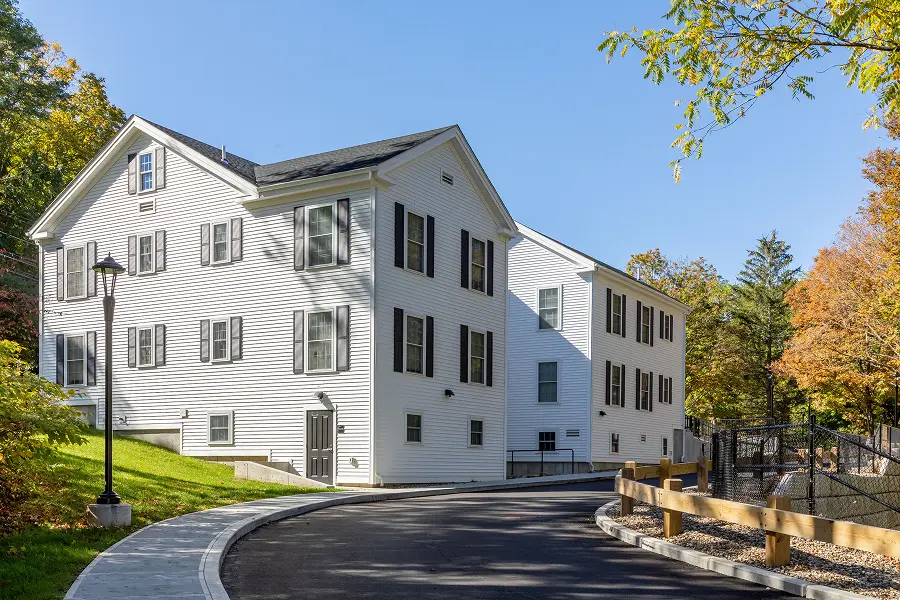
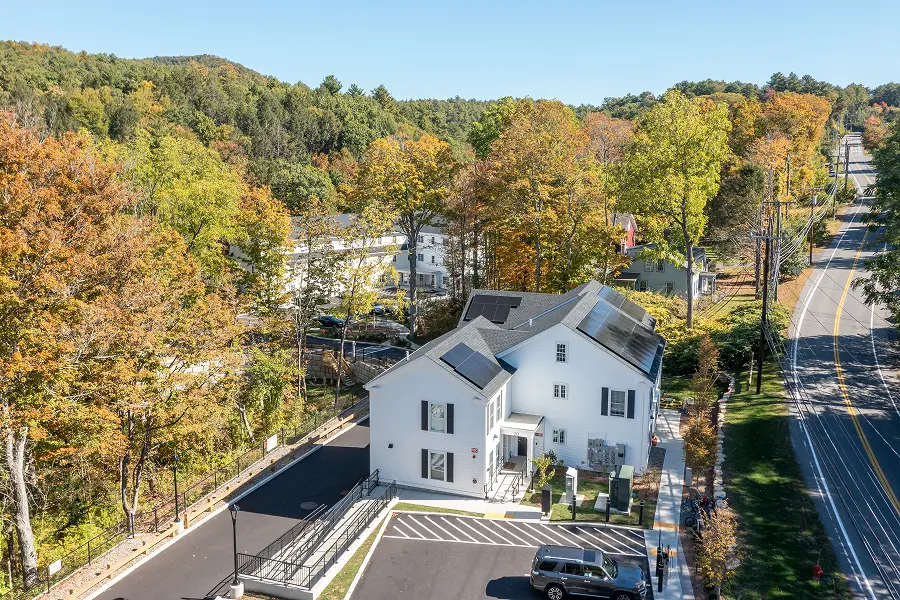
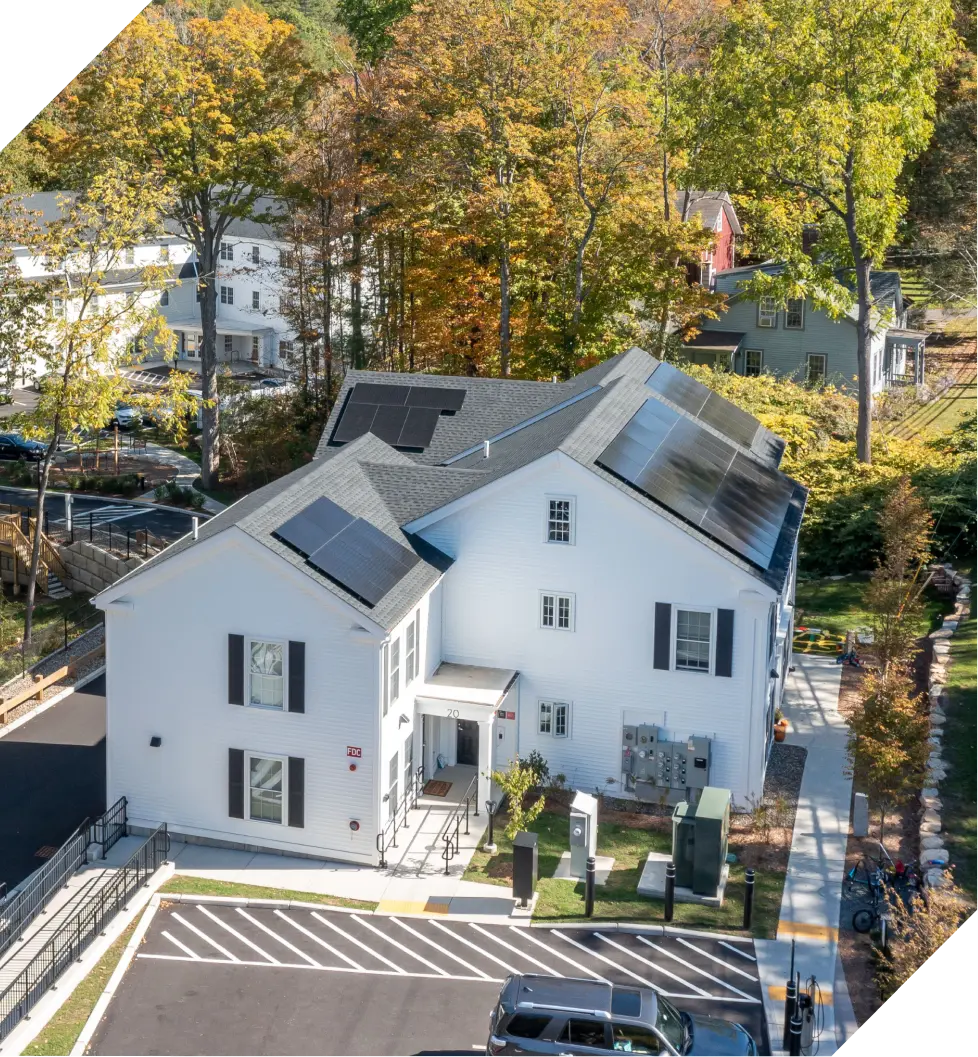
Home City Development sponsored Amethyst Brook Apartments, an affordable rental housing development in Pelham. Built on a former fishing rod factory founded in 1860, the project adds new homes in a small community with limited affordable housing options. The development reflects close collaboration with local partners and the Town of Pelham.
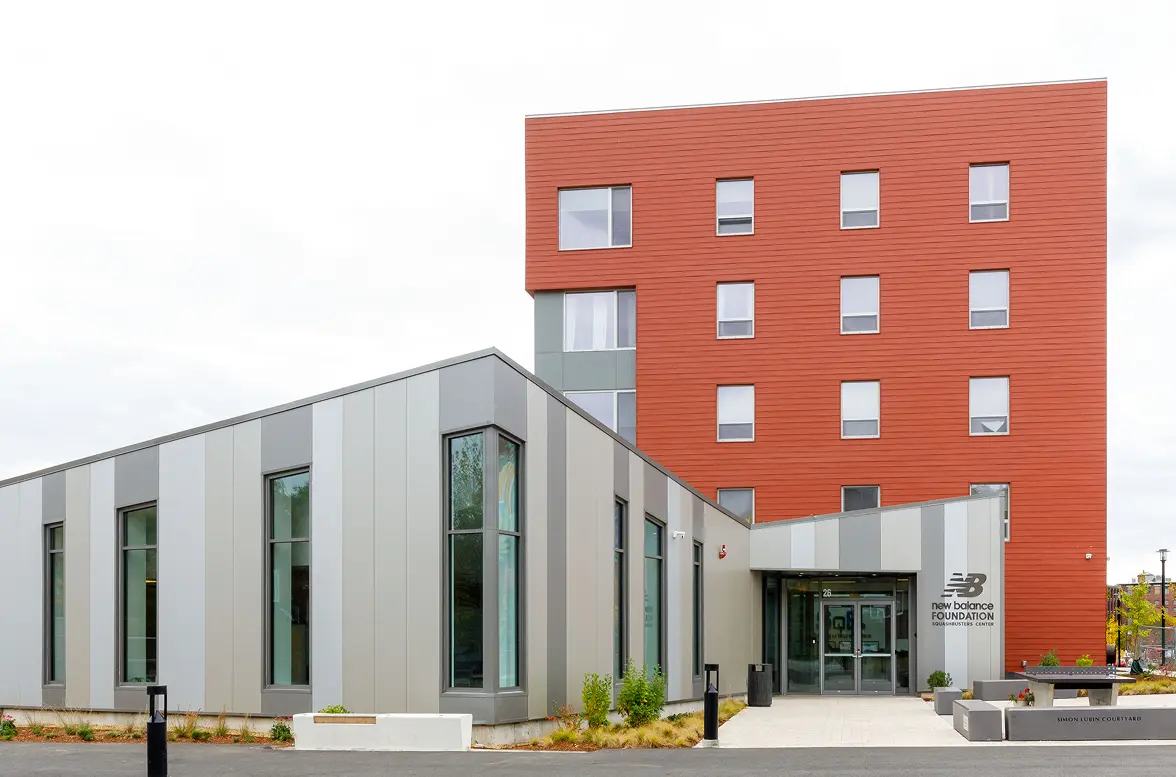
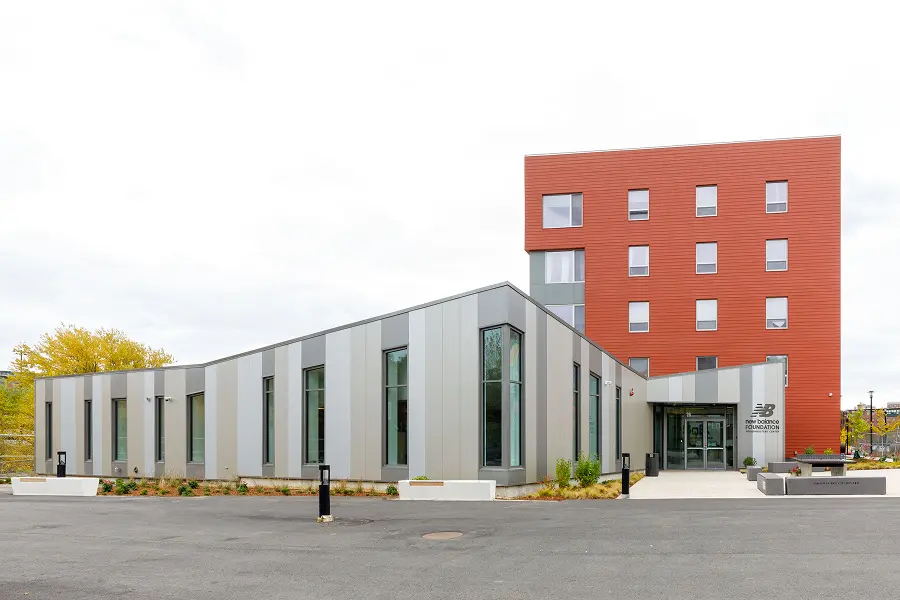
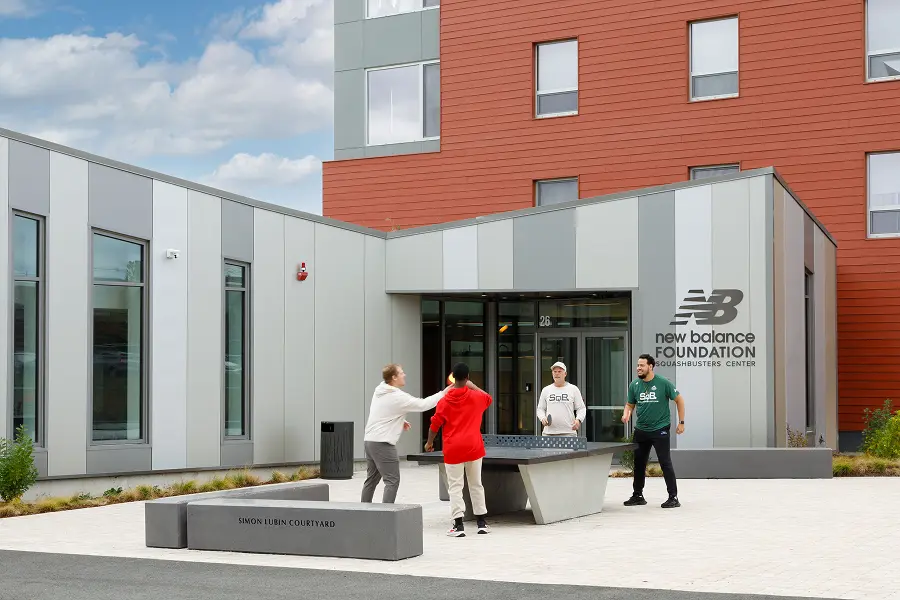
CEDAC provided acquisition and predevelopment financing for Phase 2 of Lawrence Community Works' Island Parkside development. Built on a former industrial site, the project adds affordable rental homes and includes a recreation and educational center for Squash Busters Lawrence serving local youth.
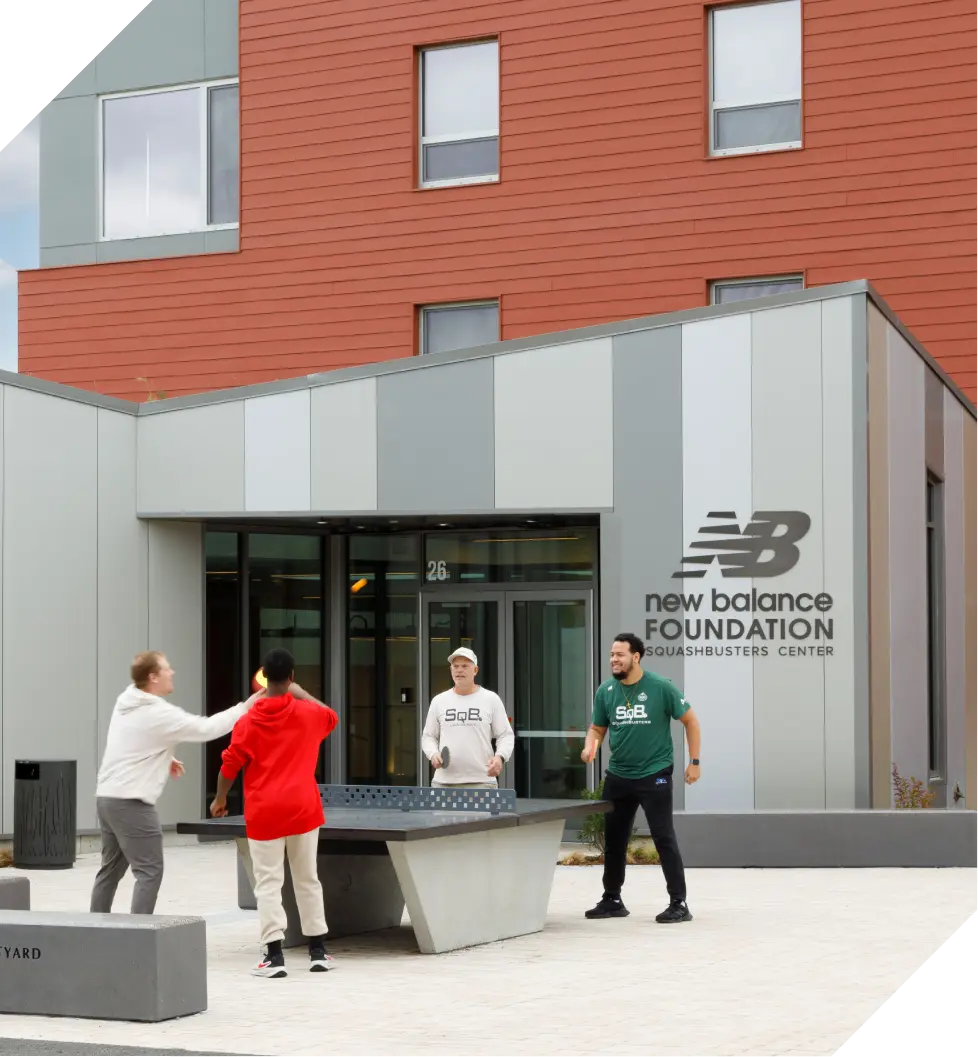
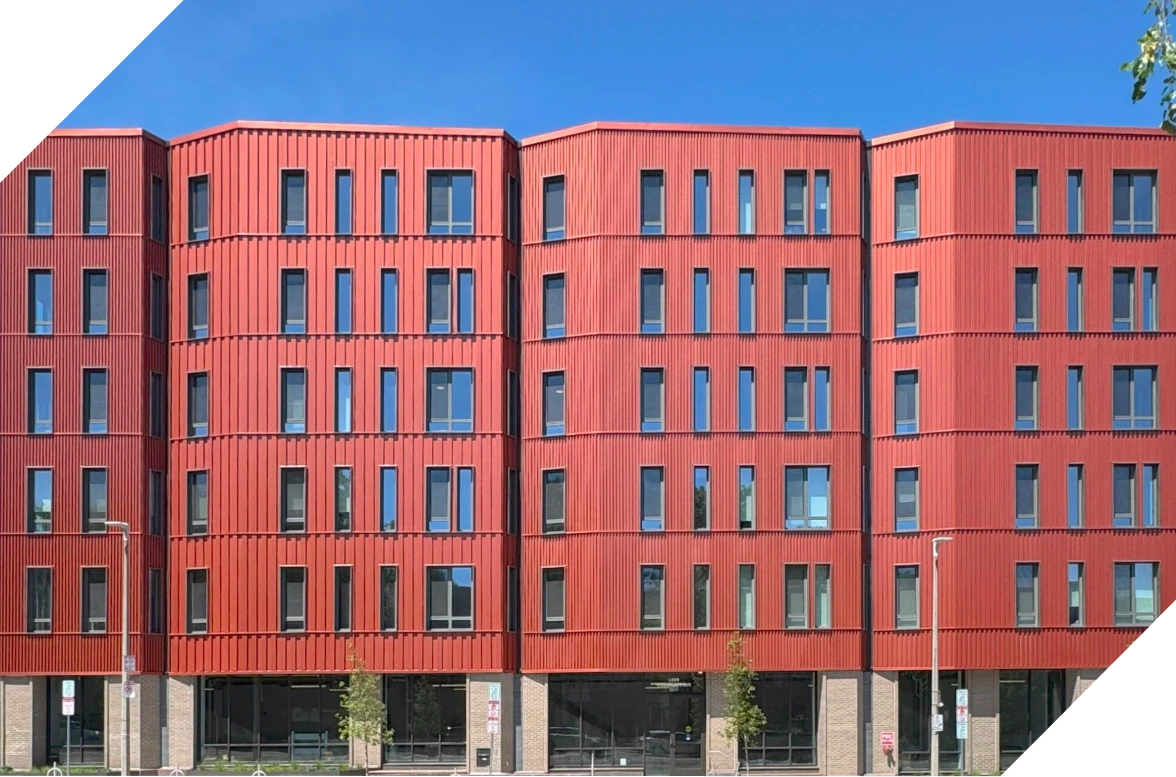
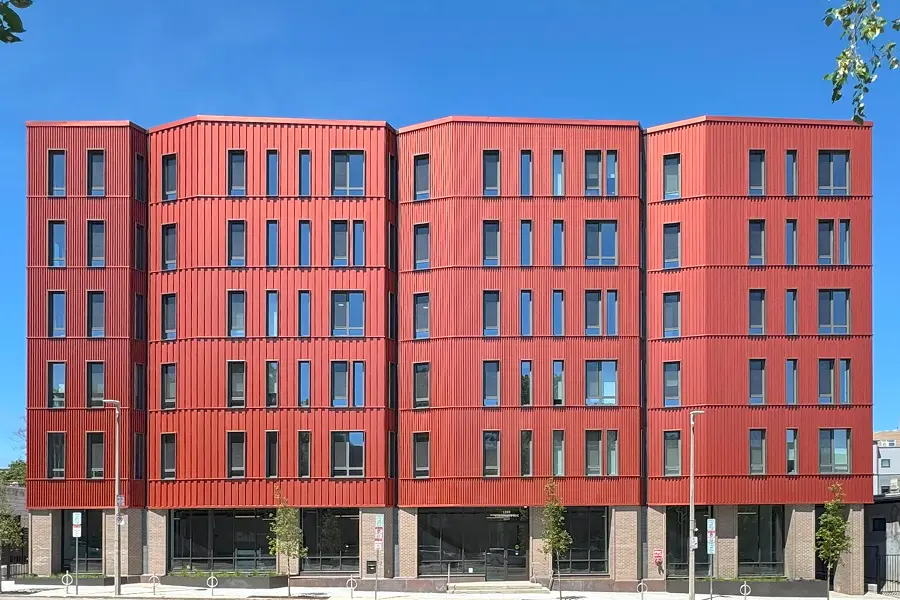
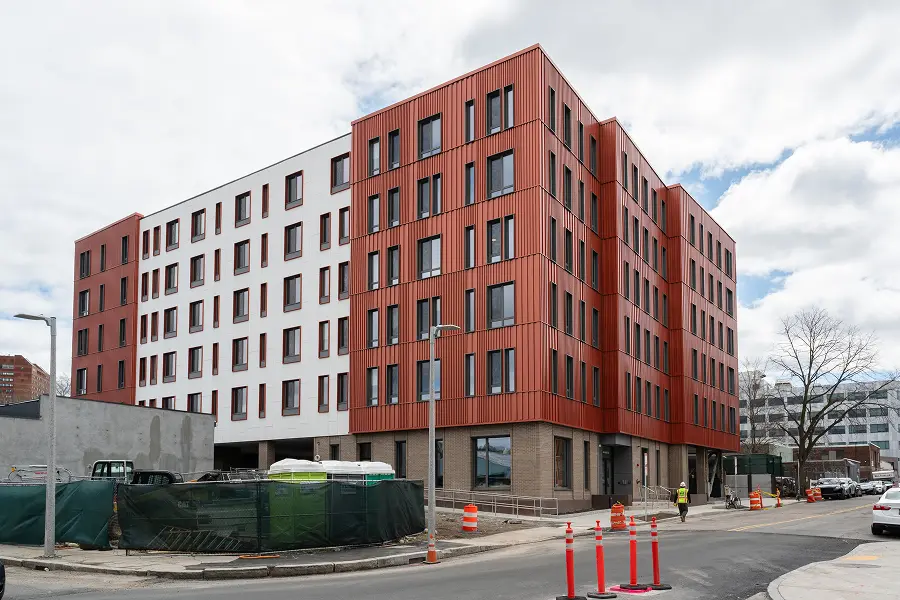
Urban Edge Housing Corporation developed the Betty Greene Apartments in Jackson Square, providing affordable rental homes in a transit-rich neighborhood. It is Urban Edge’s first Passive House certified development. The project reflects Urban Edge’s commitment to high-quality, energy-efficient housing and honors the legacy of Betty Greene, a longtime community advocate.
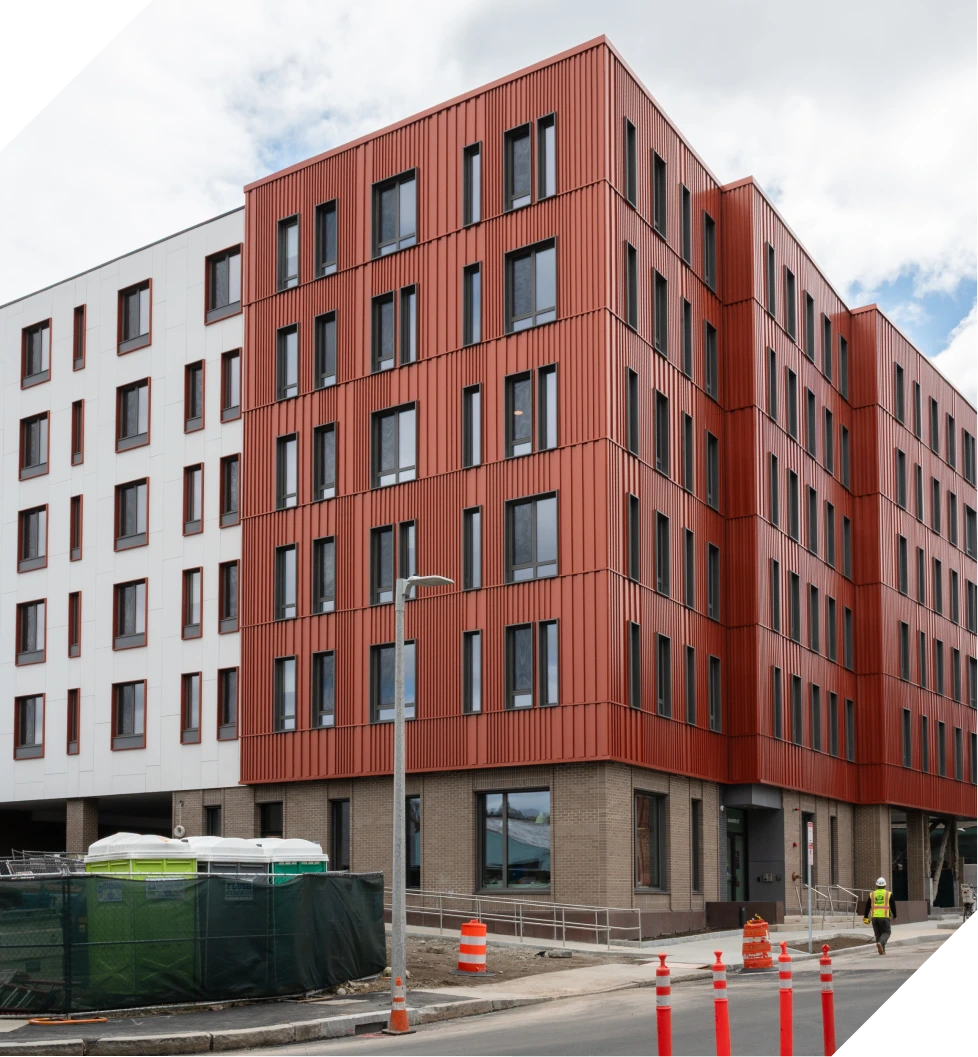
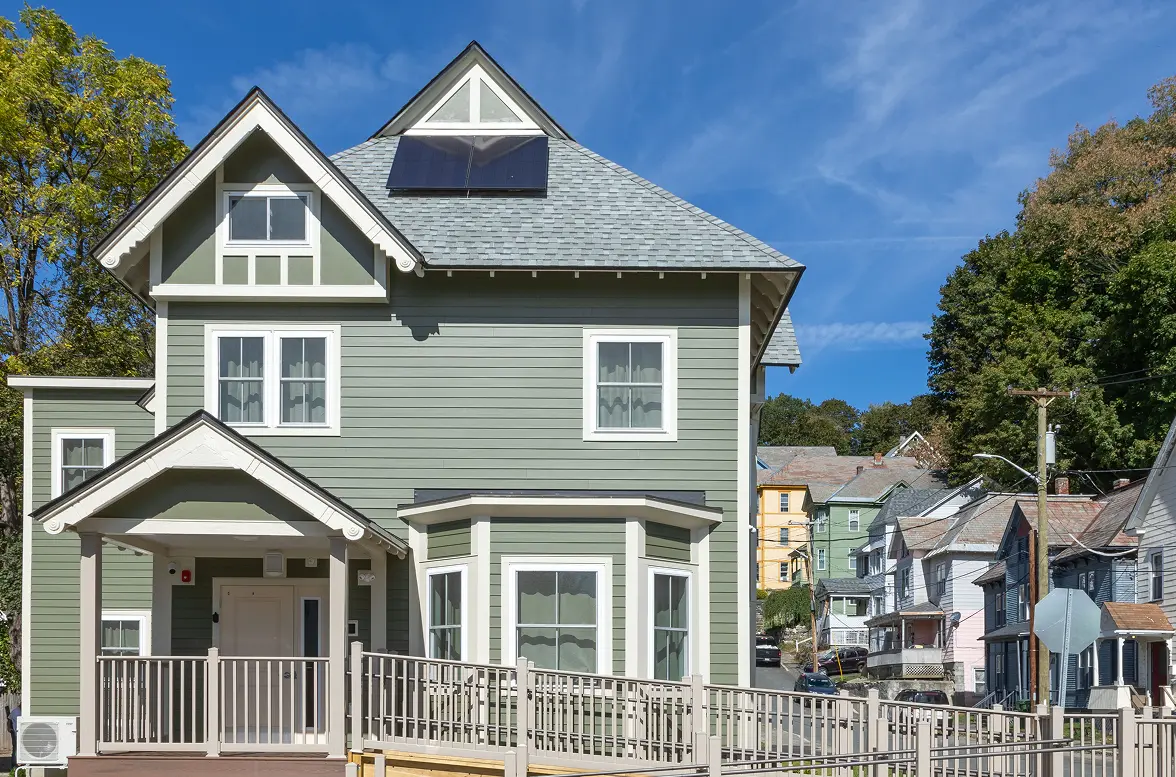
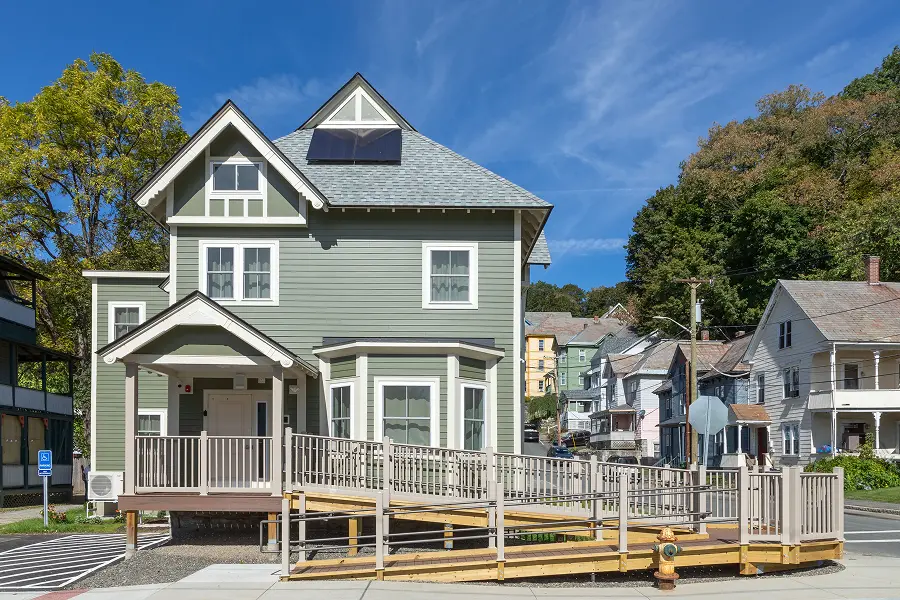
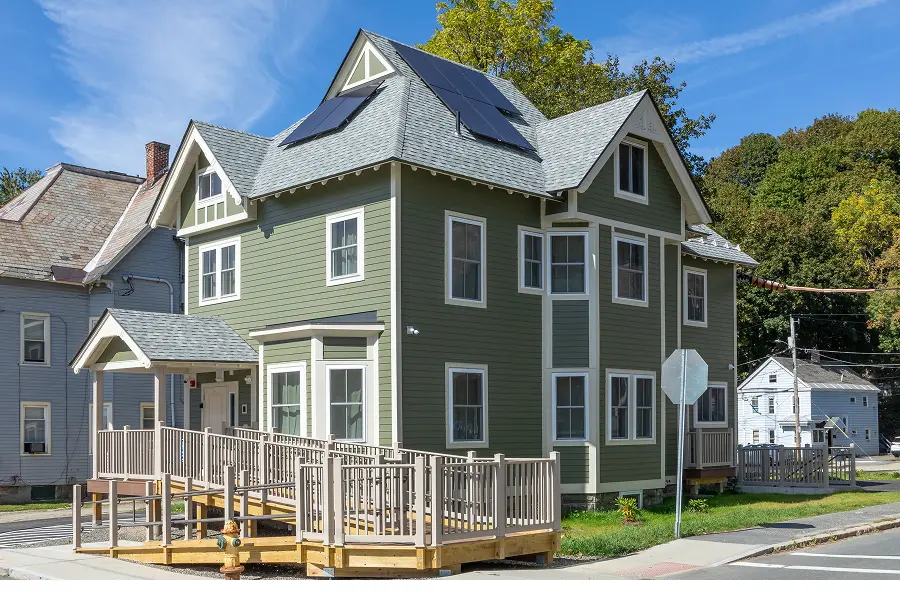
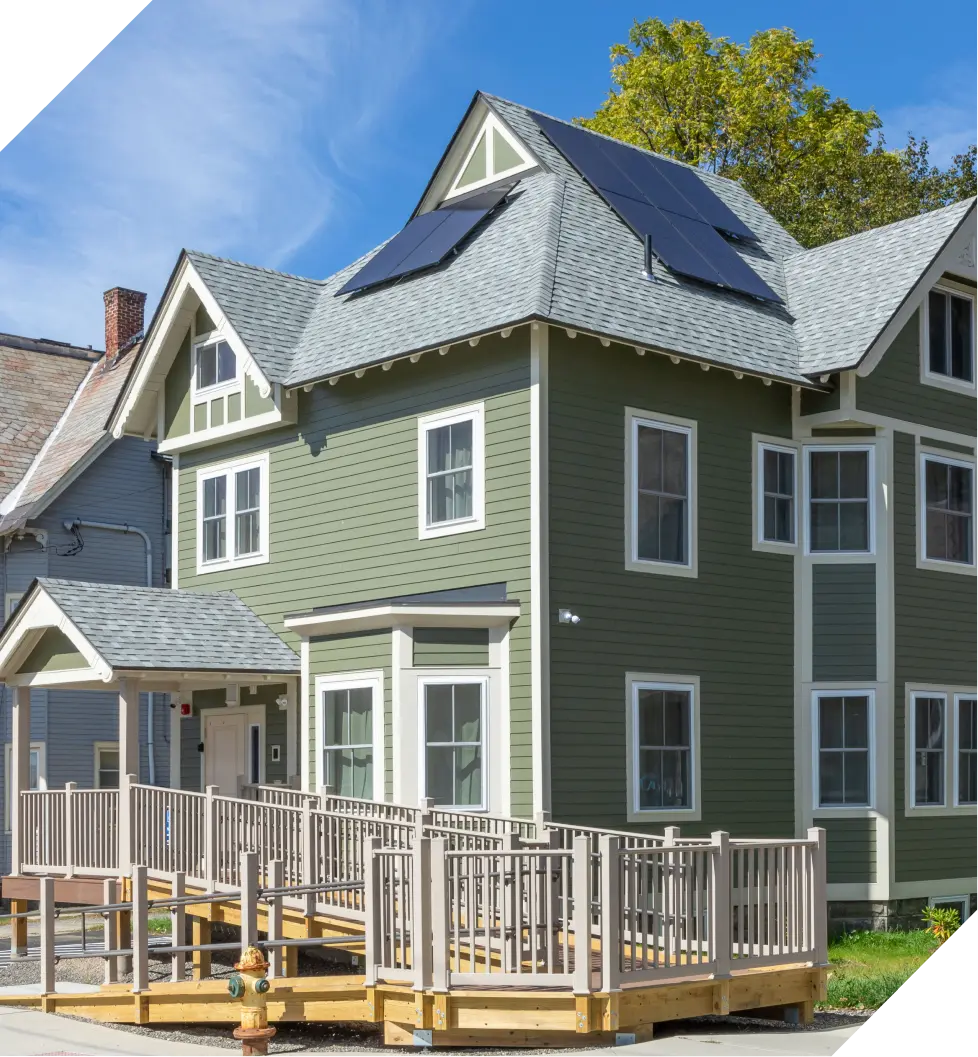
Louison House developed Bracewell Youth Housing in North Adams, creating homes for young adults who have experienced chronic homelessness. The project combines housing with supportive services, creating much needed options for youth in the Berkshires on land provided by the City of North Adams. CEDAC supported the development through American Rescue Plan Act Supportive Housing funding.
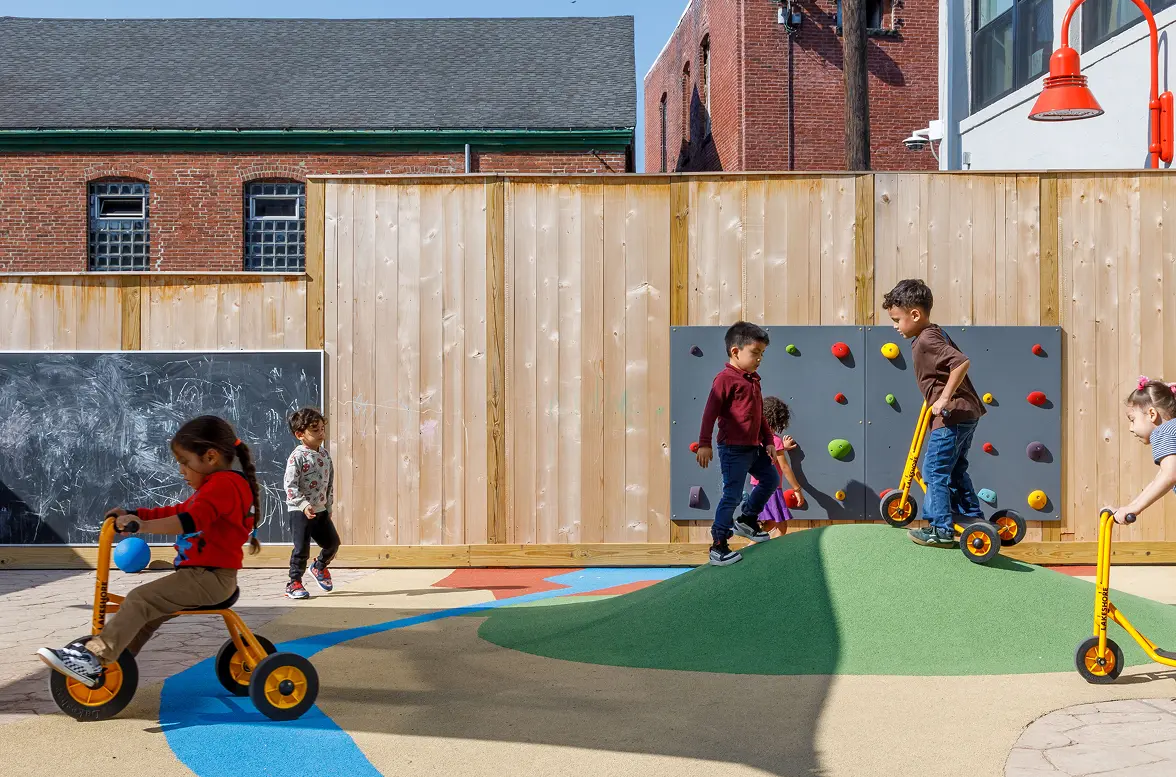
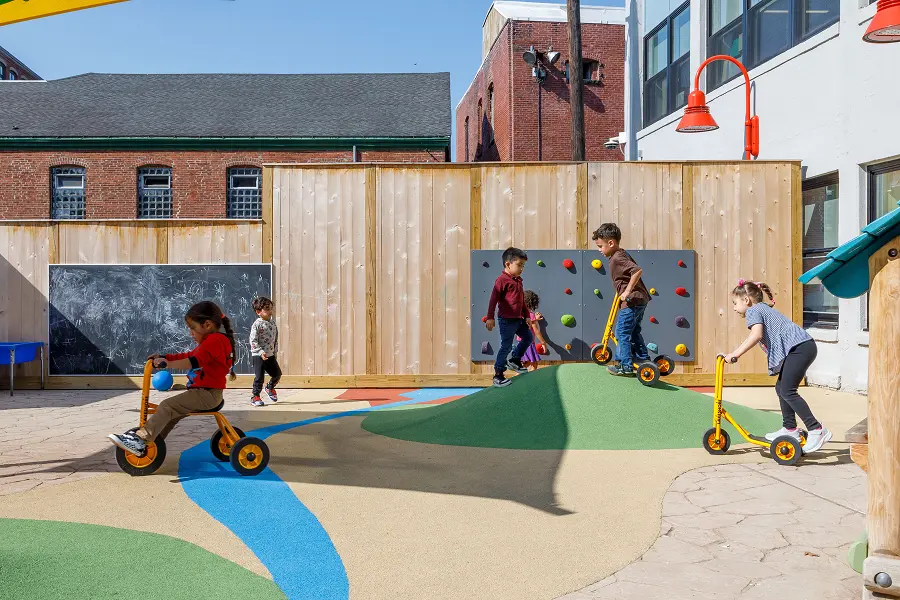
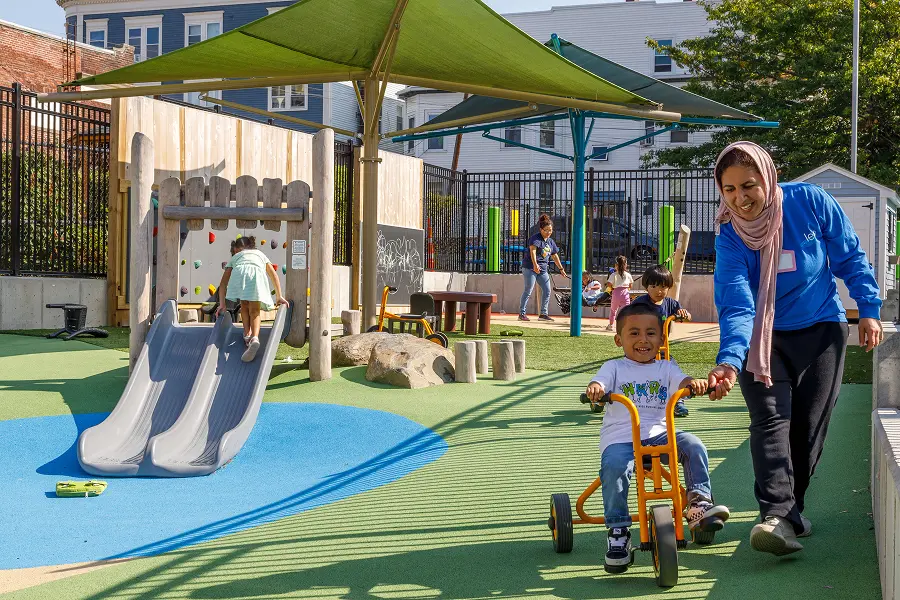
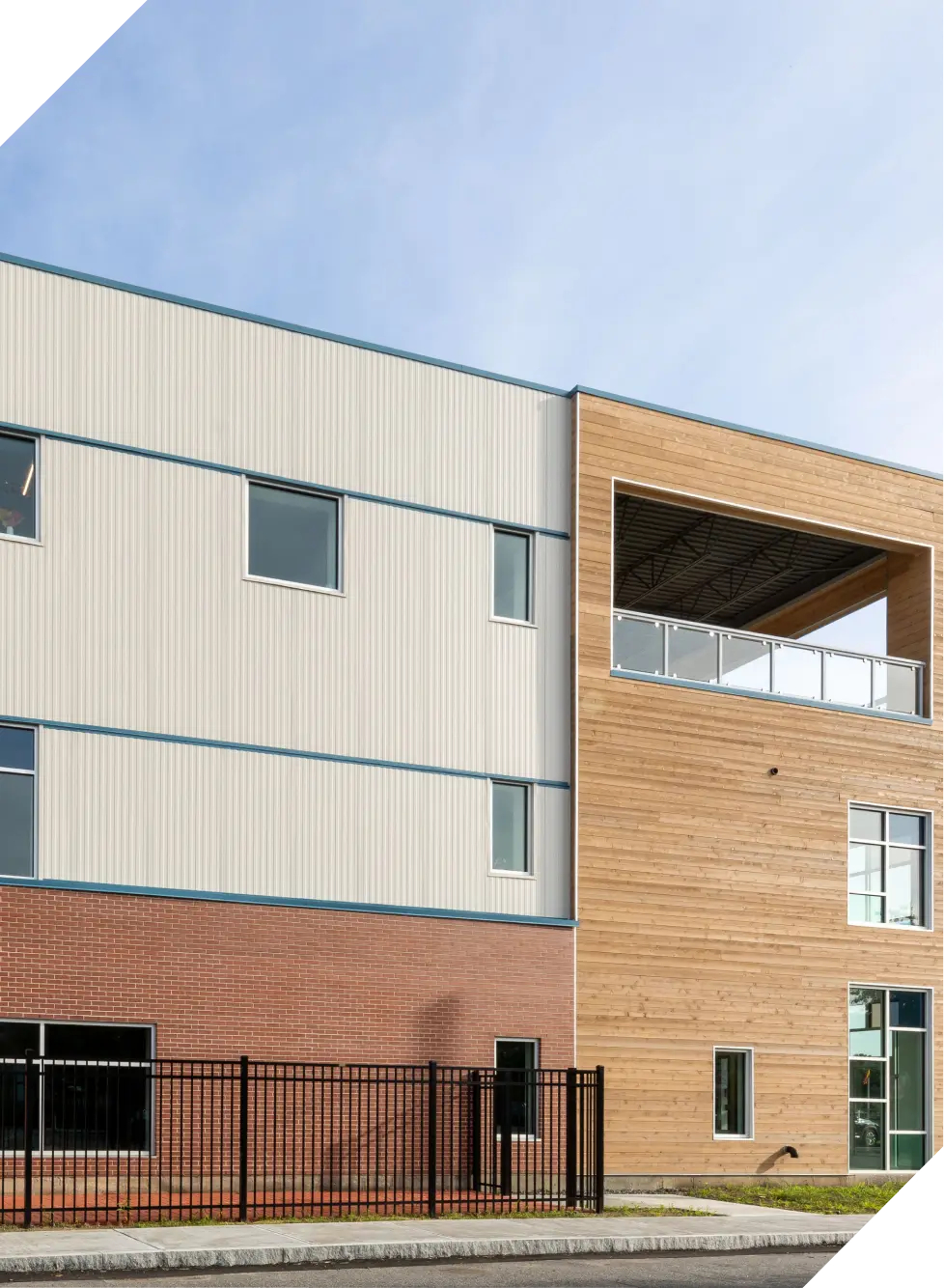
As Lynn’s Community Action Agency and the largest Head Start provider in the region, LEO supports children and families across greater Essex County through a wide range of services. To address the shortage of high-quality early education options, LEO transformed a former commercial building into a comprehensive early learning center in Lynn.
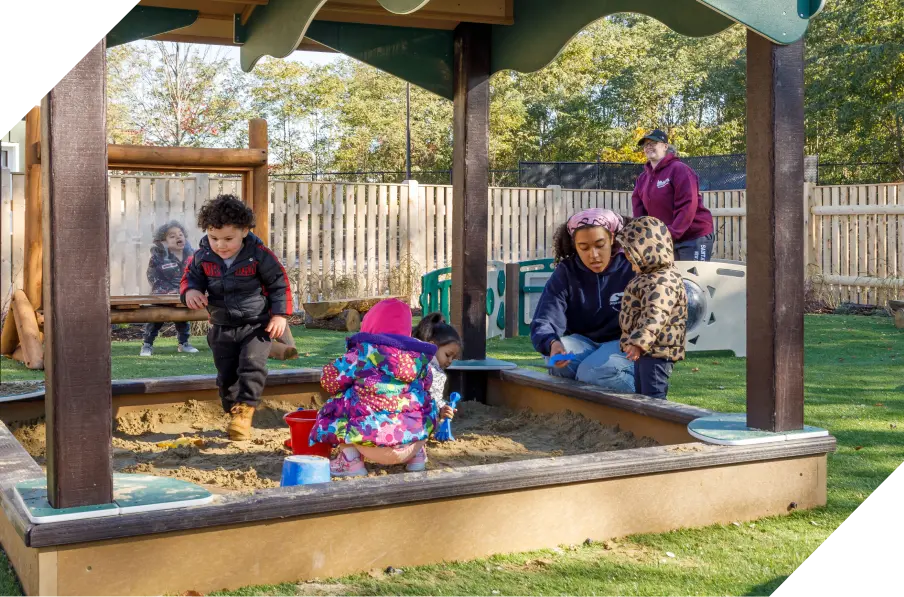
The Broad Street center includes fifteen classrooms serving infants through preschool-age children, along with indoor and outdoor spaces designed to support learning, movement, and healthy development. The facility includes a commercial kitchen, enabling LEO to serve the 500 children in their network two nutritious meals daily, and children receive on-site screenings and services to address developmental delays and early intervention needs.
By bringing education, nutrition, and developmental supports together in one location, the center strengthens access to early learning opportunities for families throughout the region.
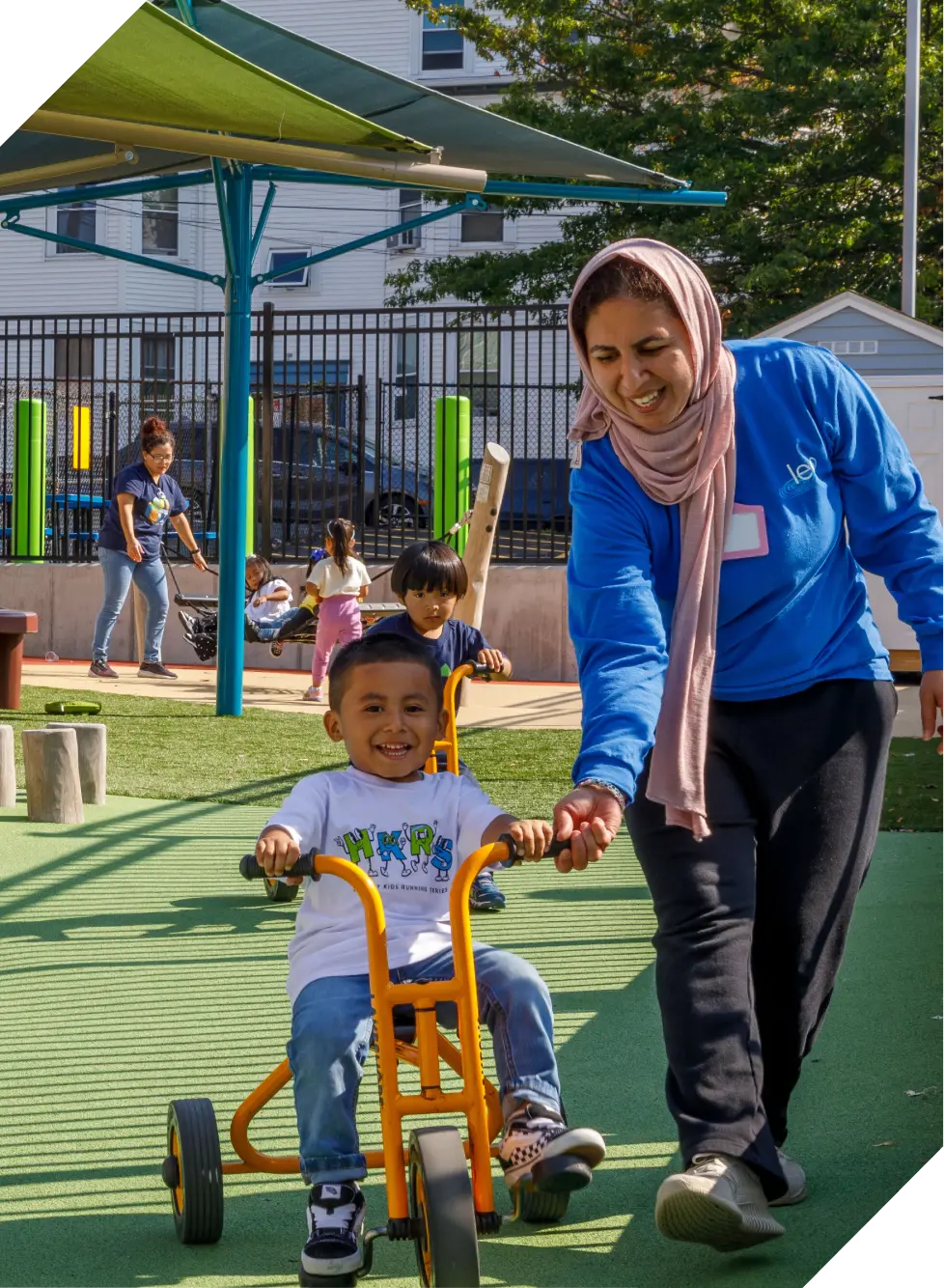
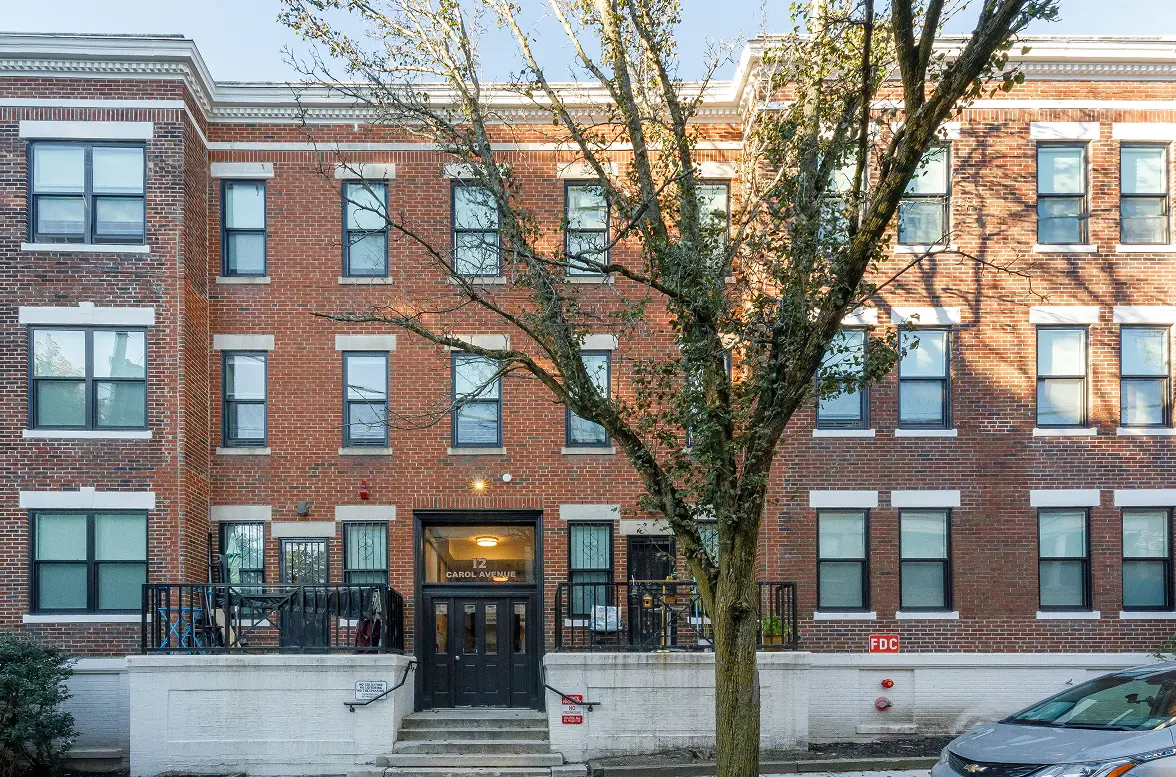
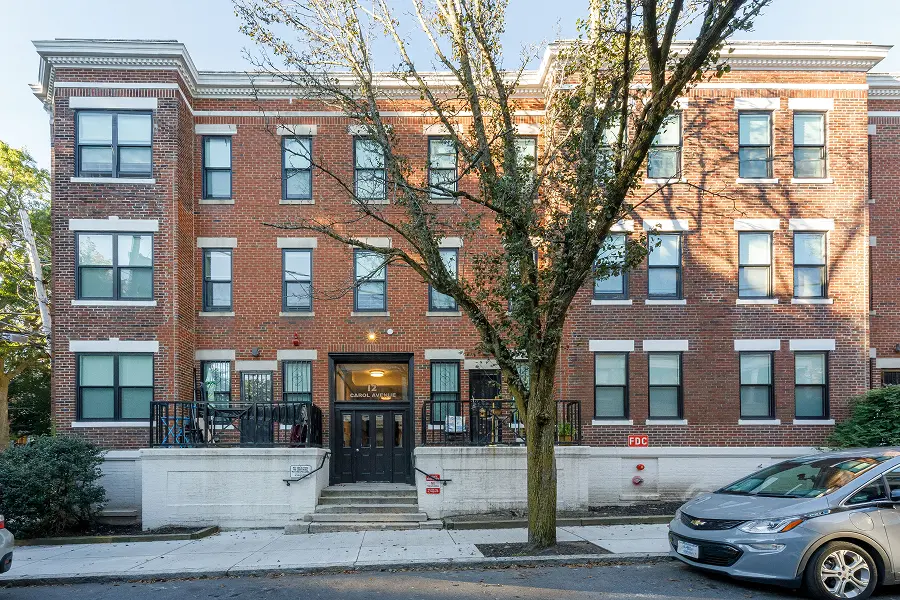
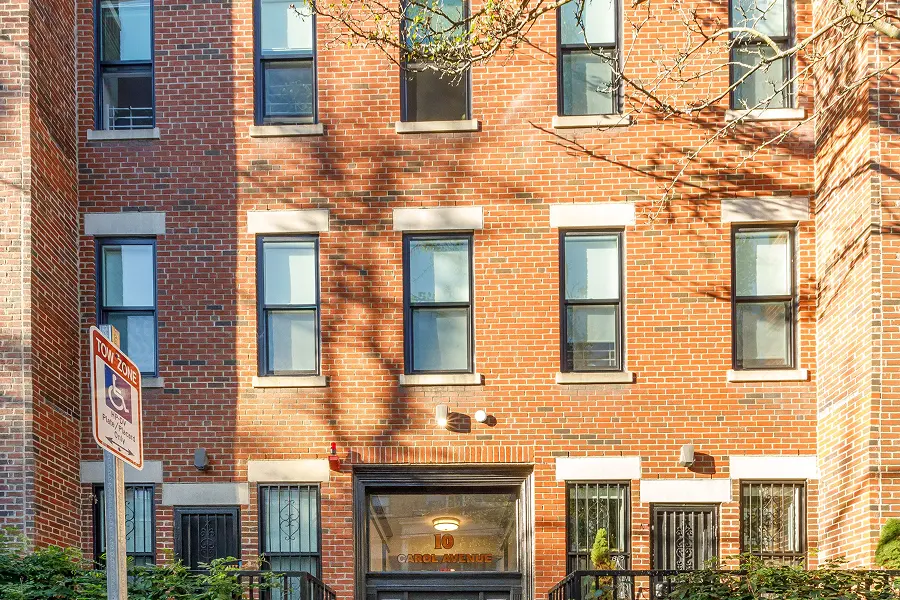
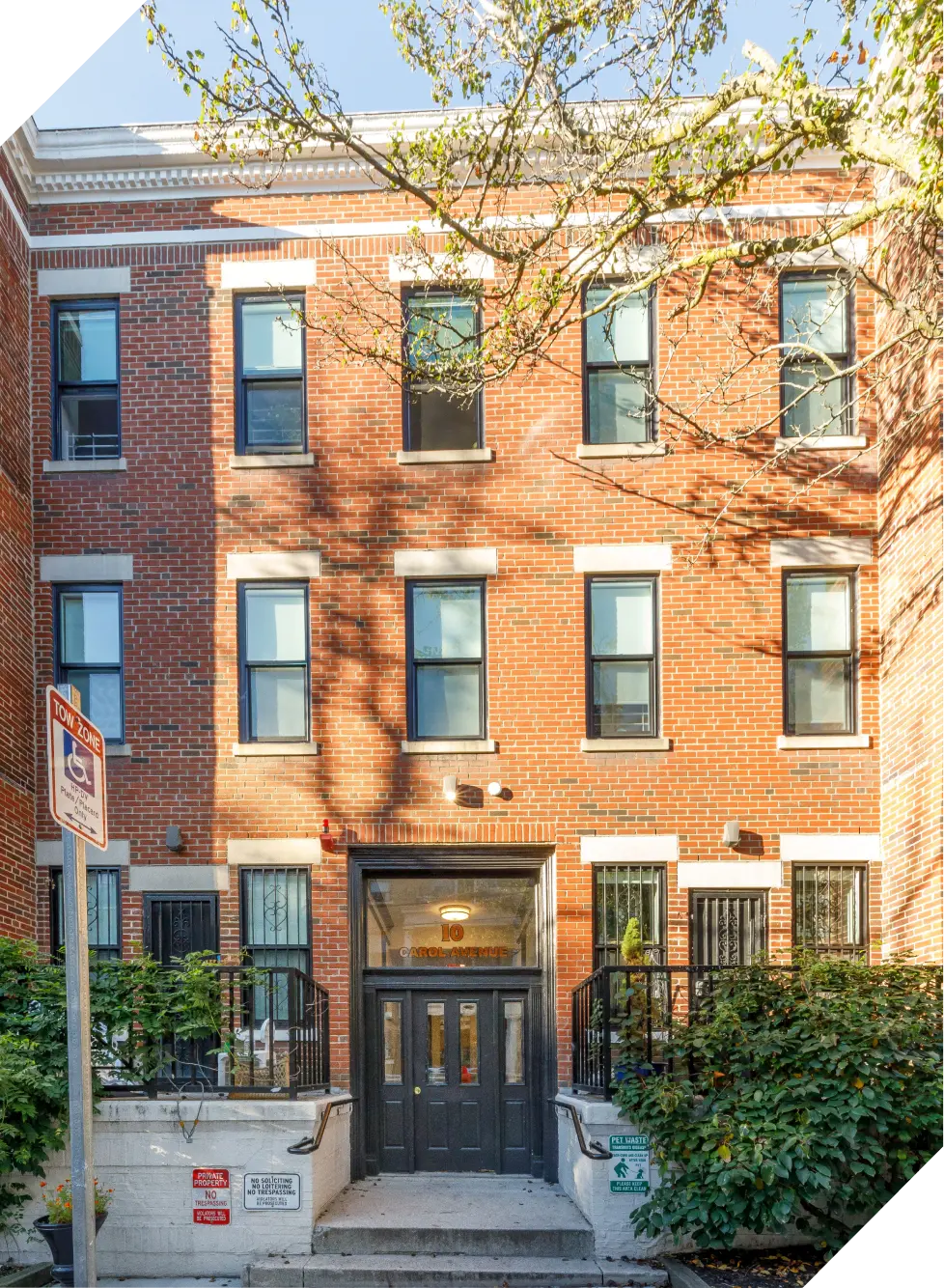
CEDAC supported Allston Brighton Community Development Corporation’s first deep energy retrofit of the Carol Avenue property, the first that ABCDC completed. The rehabilitation modernized building systems, improved energy efficiency by nearly 55%, and made the homes for families healthier and more comfortable while preserving long-term affordability.
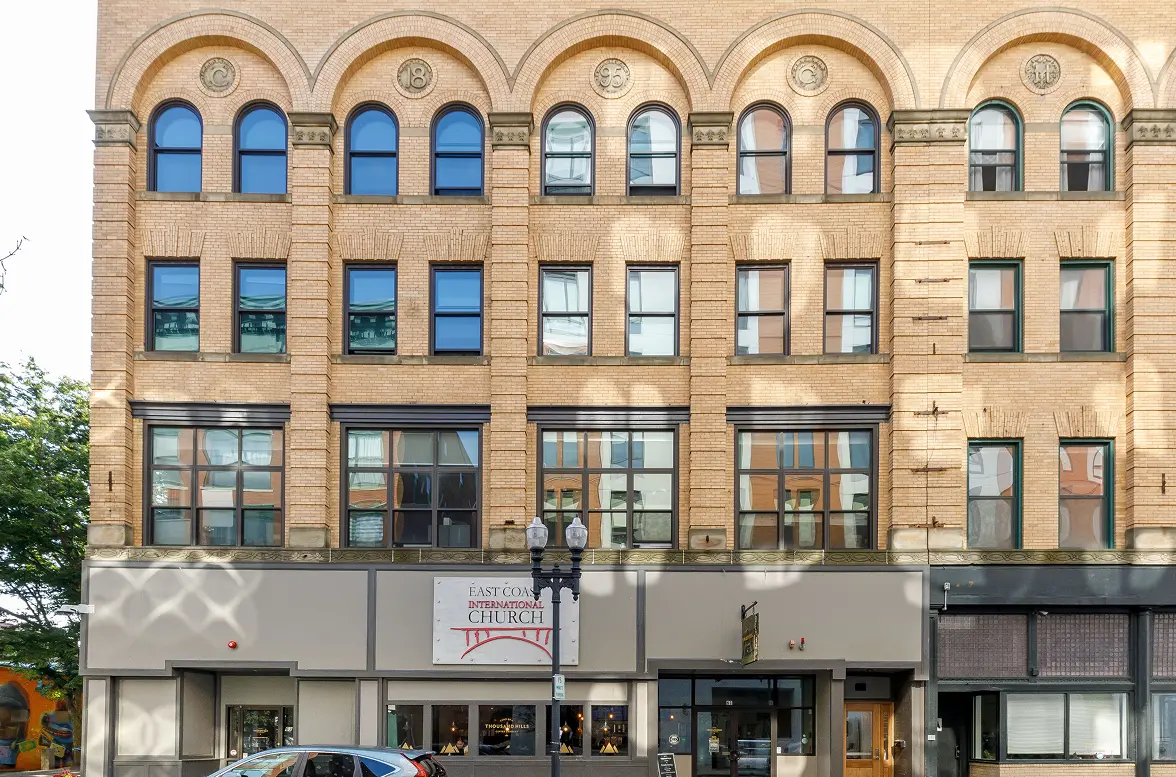
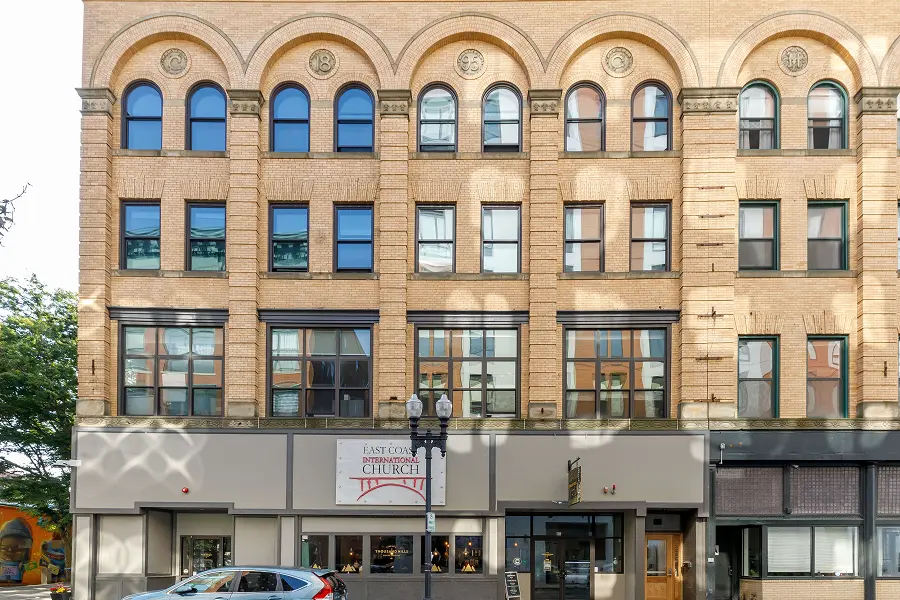
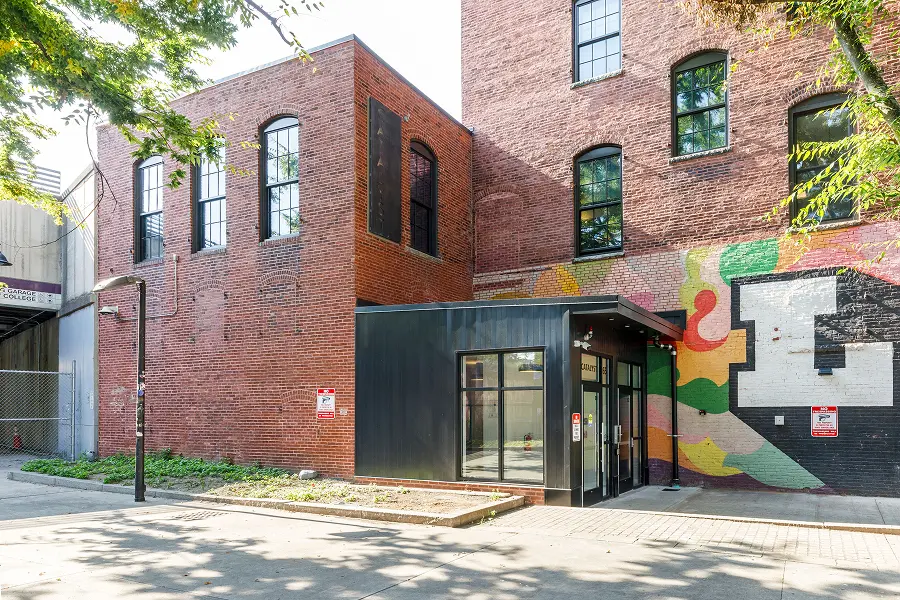
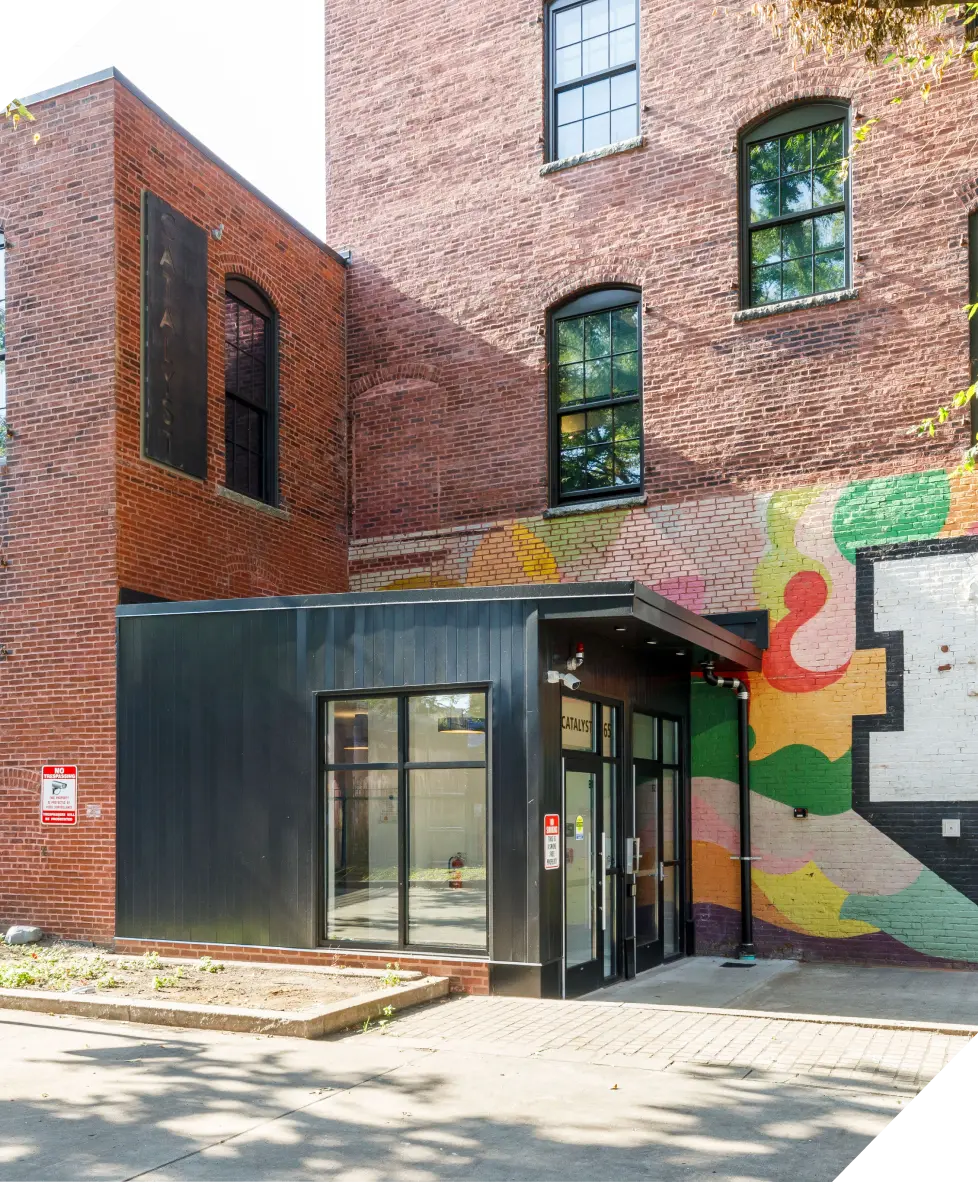
CEDAC supported Harborlight Community Partners’ Catalyst Housing initiative in downtown Lynn. Working with The Haven Project, the development converted underutilized space in Haven Project’s historic building into affordable homes for young adults, expanding supportive housing options in the community.
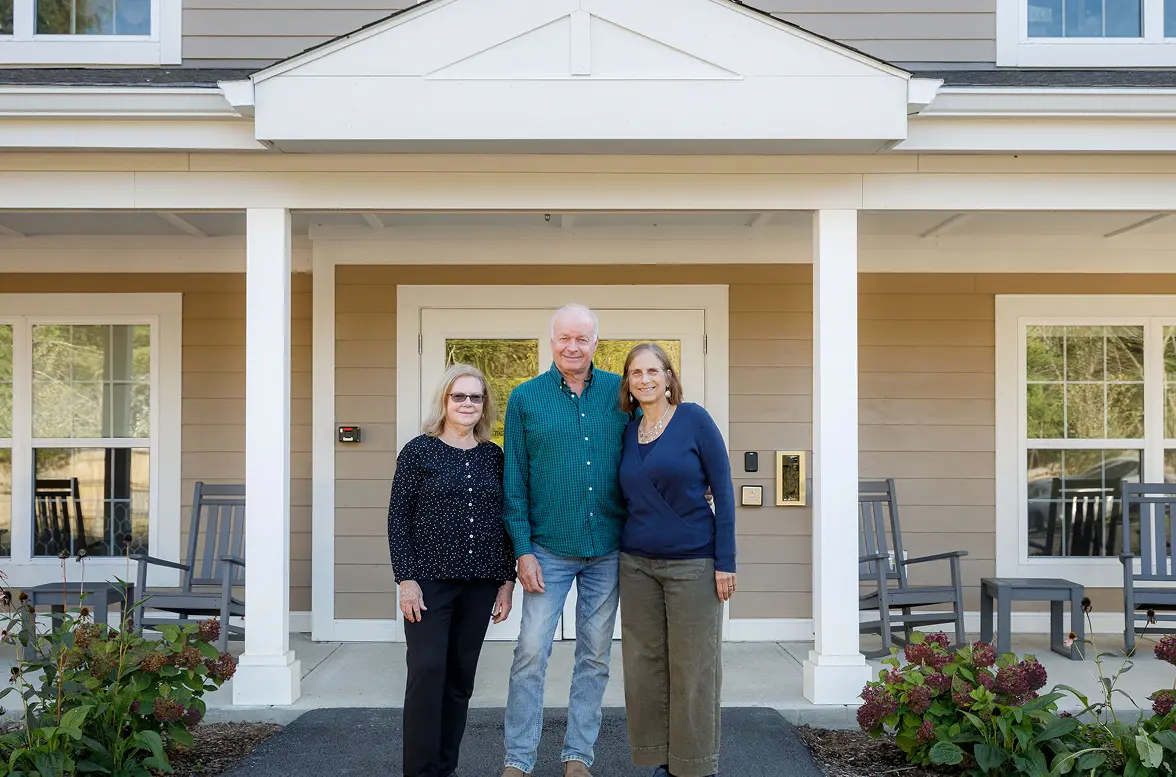
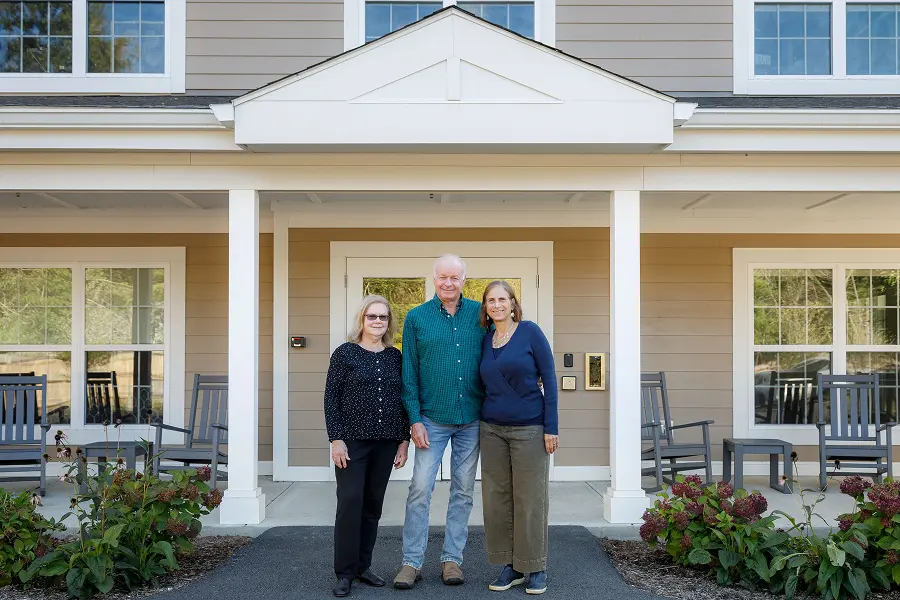
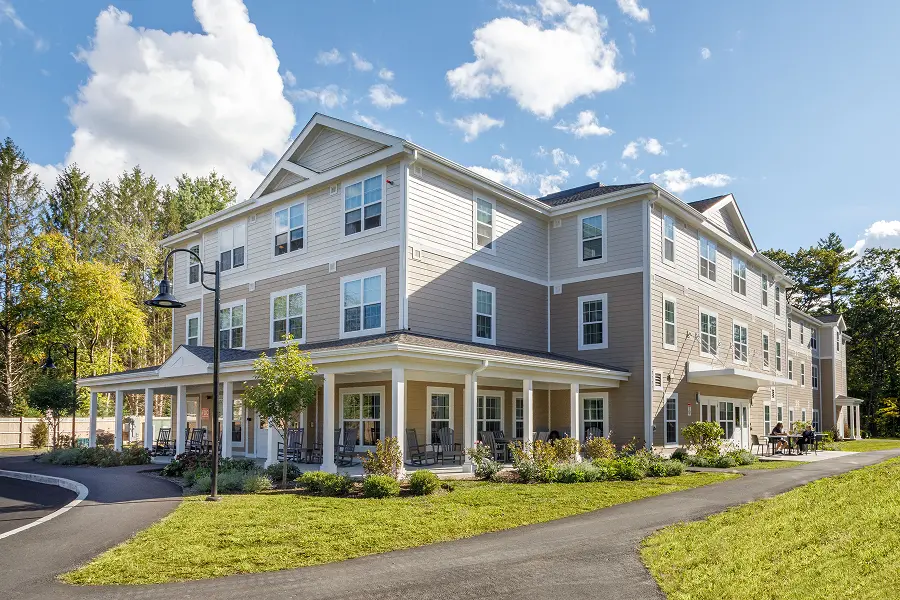
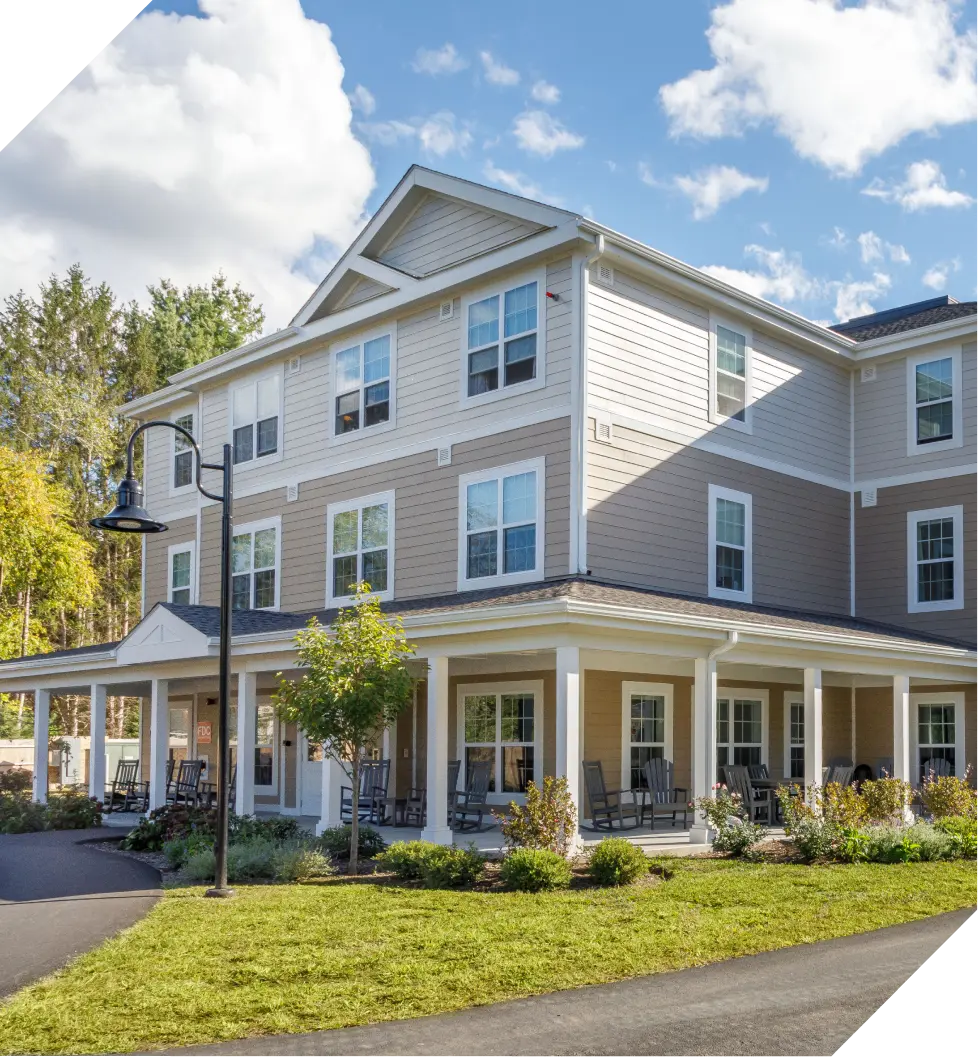
Stow Housing Corporation, founded by local volunteers in 1987, sponsored the redevelopment of Elizabeth Brook Apartments to provide homes for residents aged 62 and older. The project combined renovation of existing apartments with new construction, allowing residents to age in place with greater comfort and stability.
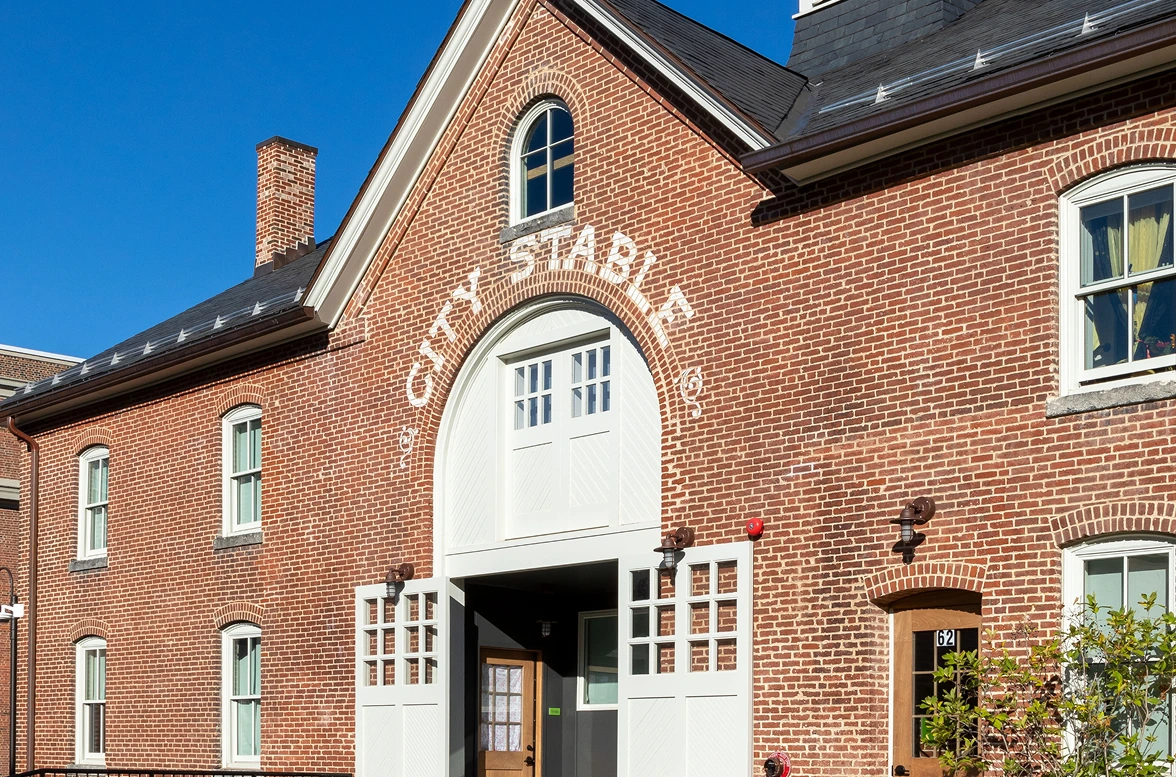
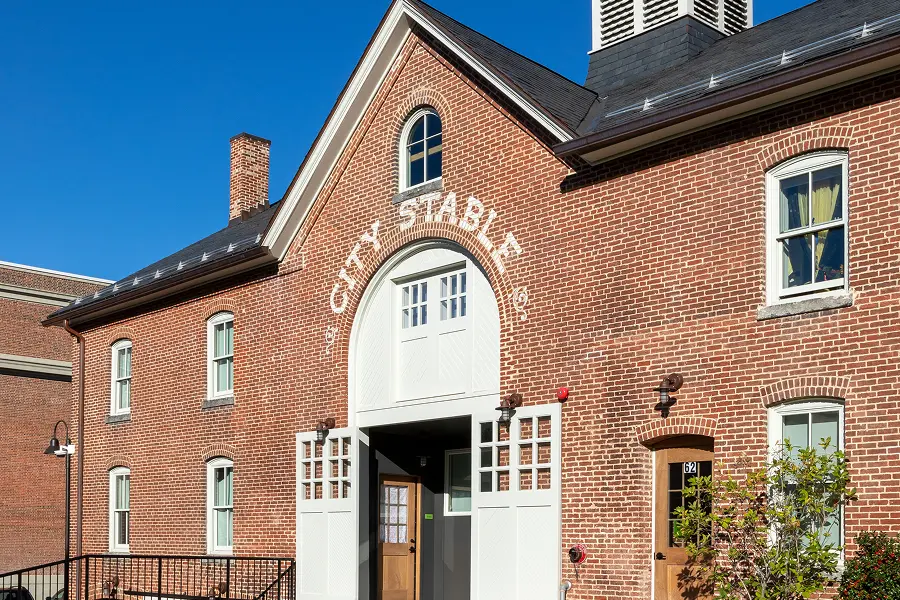
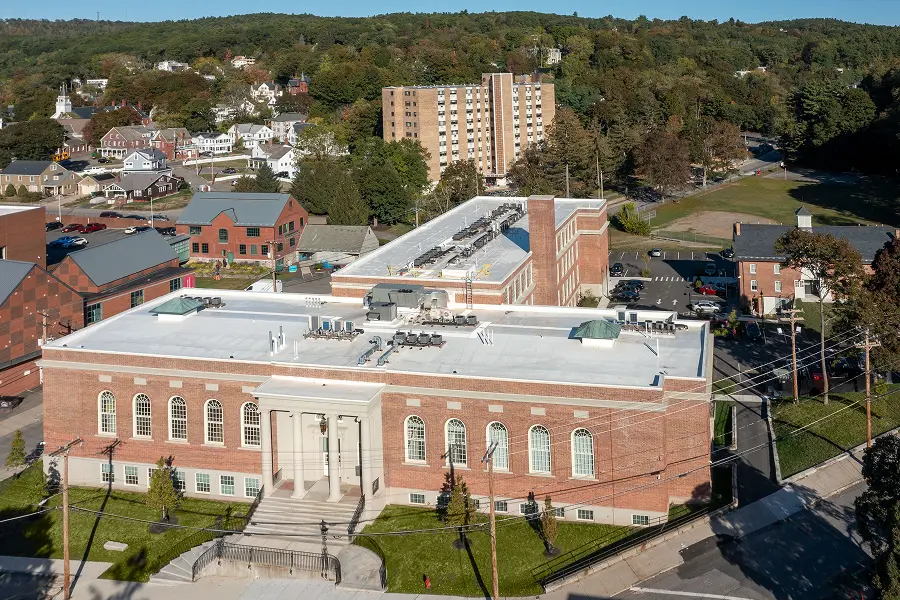
NewVue Communities partnered with the Fitchburg Arts Museum to create the Fitchburg Arts Community. Strong support from the city over a multi-year planning process enabled the project to convert vacant buildings into mixed-income homes for artists, contributing to neighborhood revitalization.
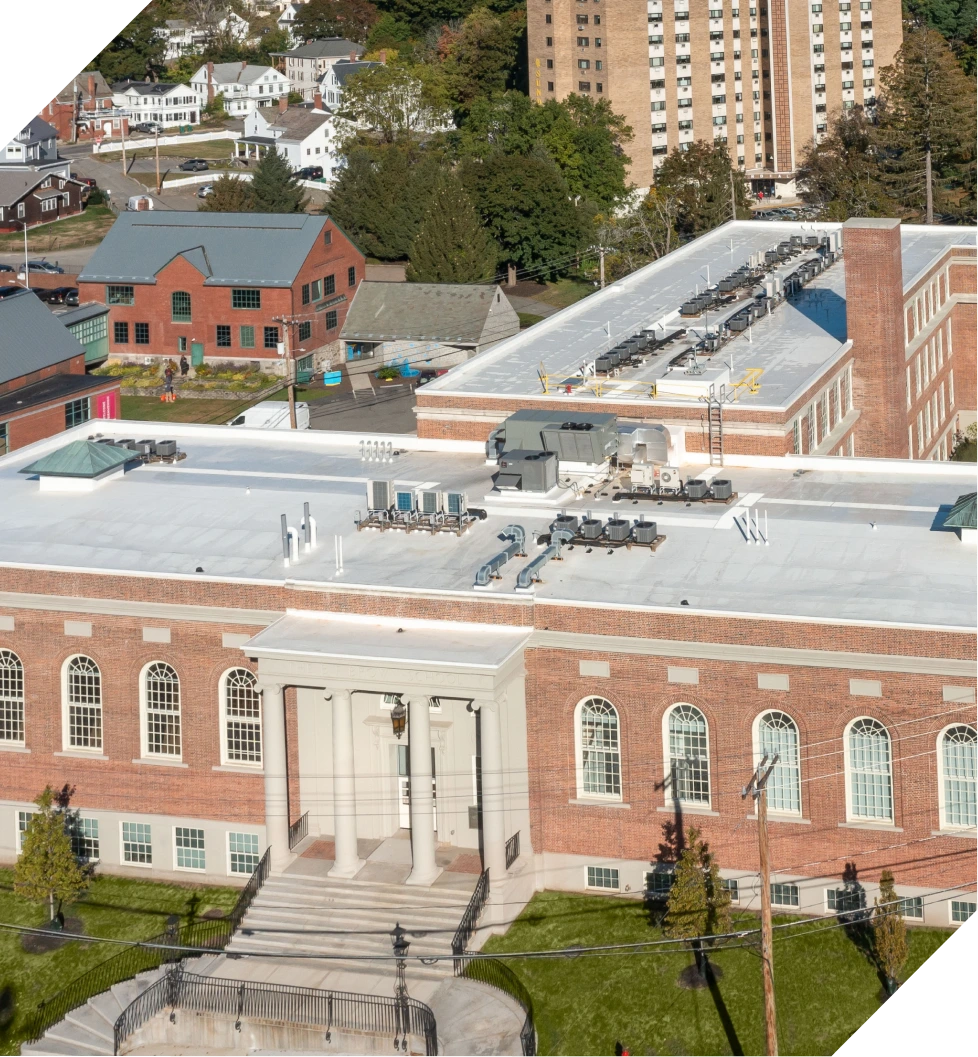
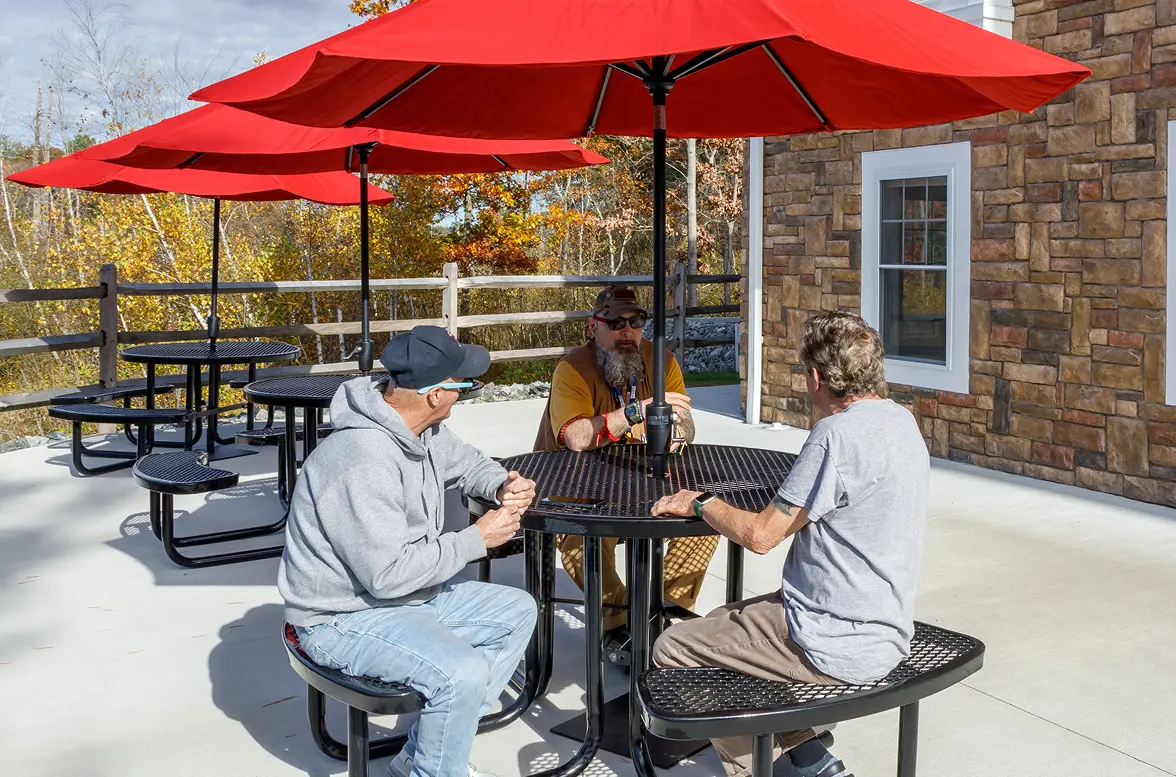
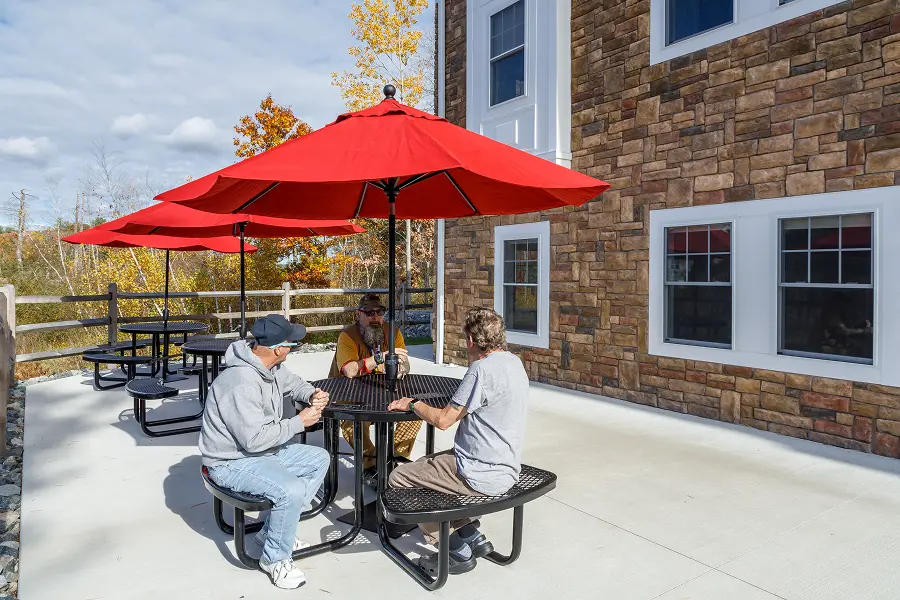
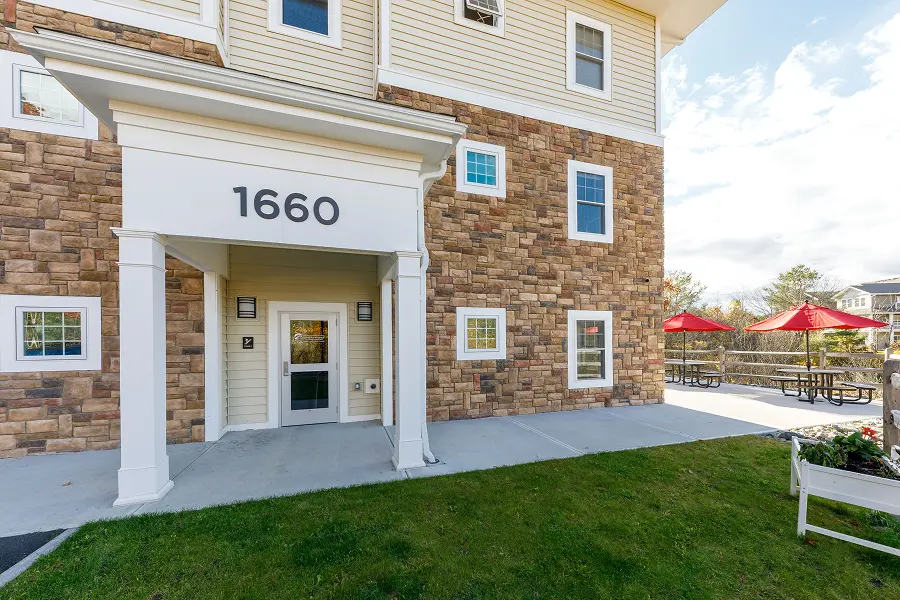
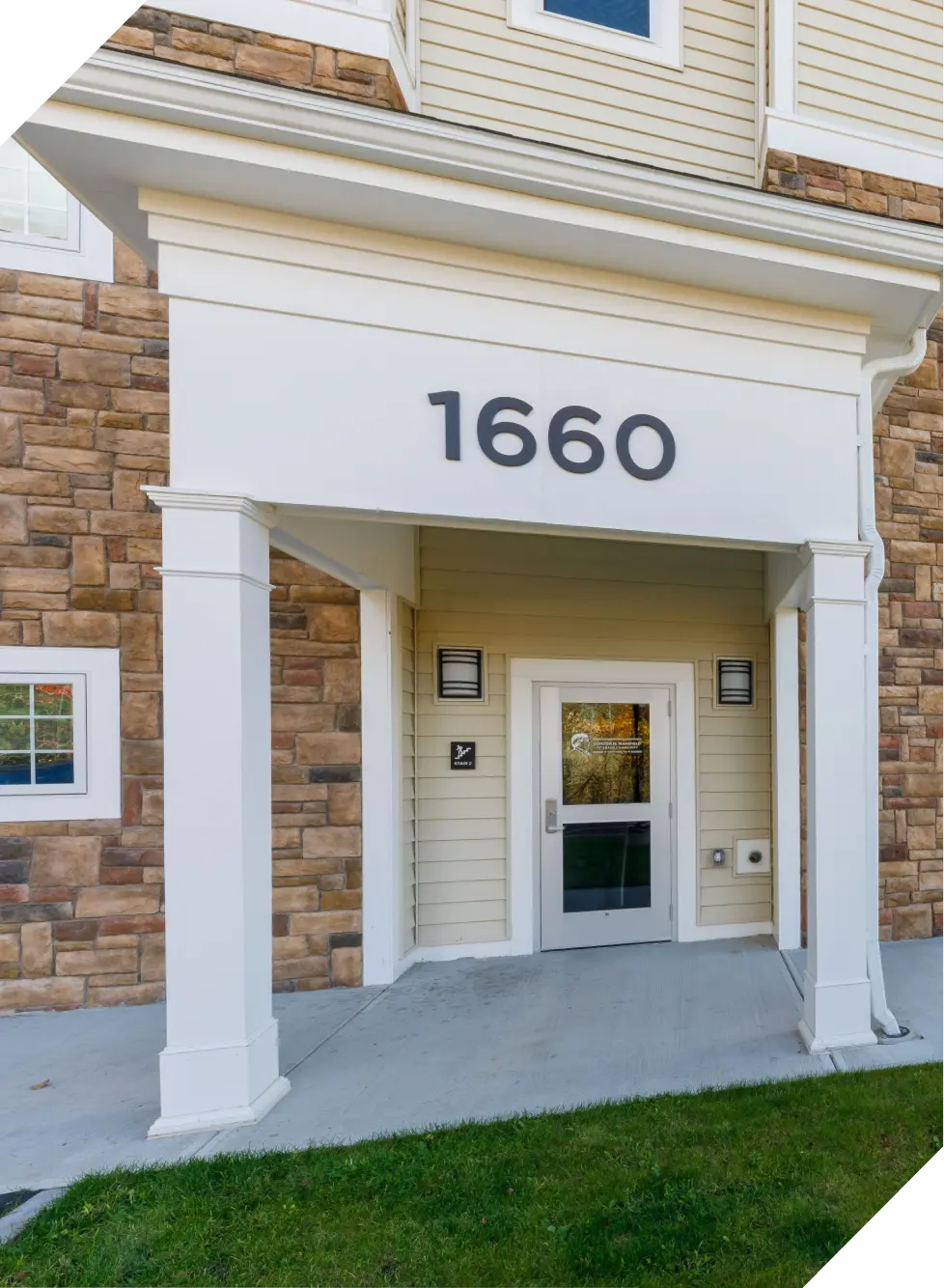
CEDAC provided predevelopment funding to Soldier On for the Gordon H. Mansfield Veterans Community in Tewksbury. The development creates permanent supportive housing for veterans who have experienced or are at risk of homelessness, continuing Soldier On’s long-standing work across Massachusetts.
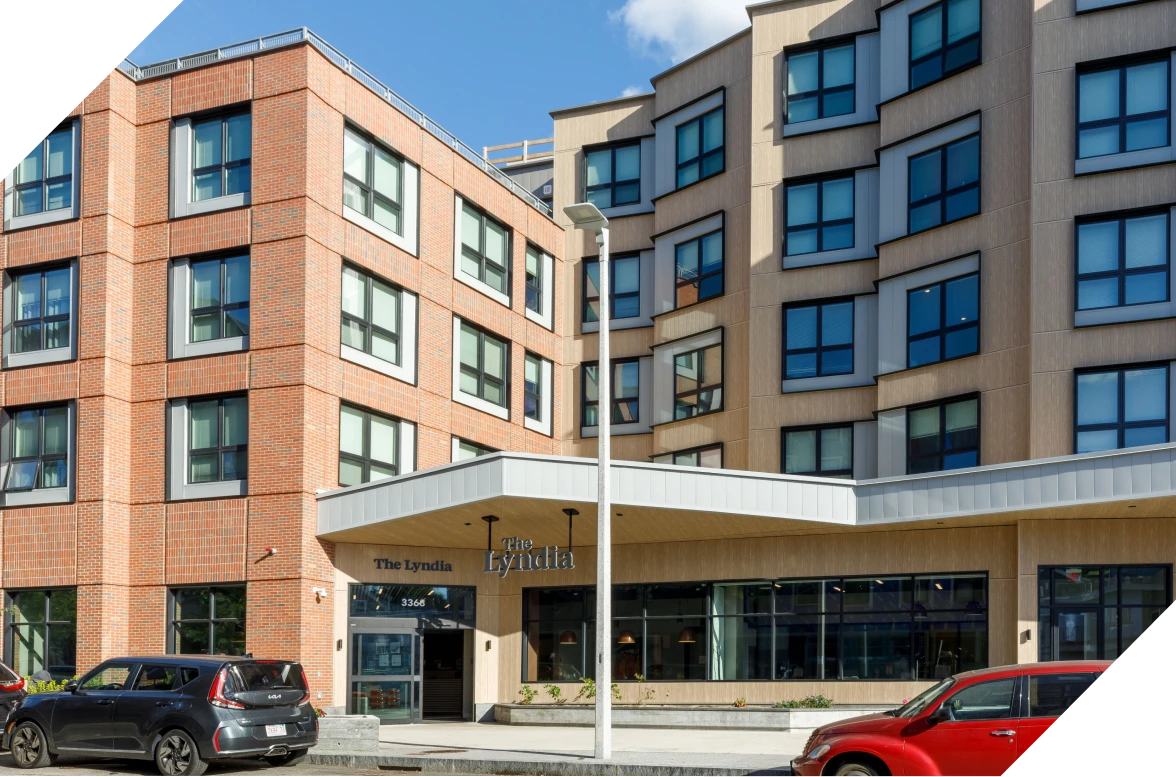
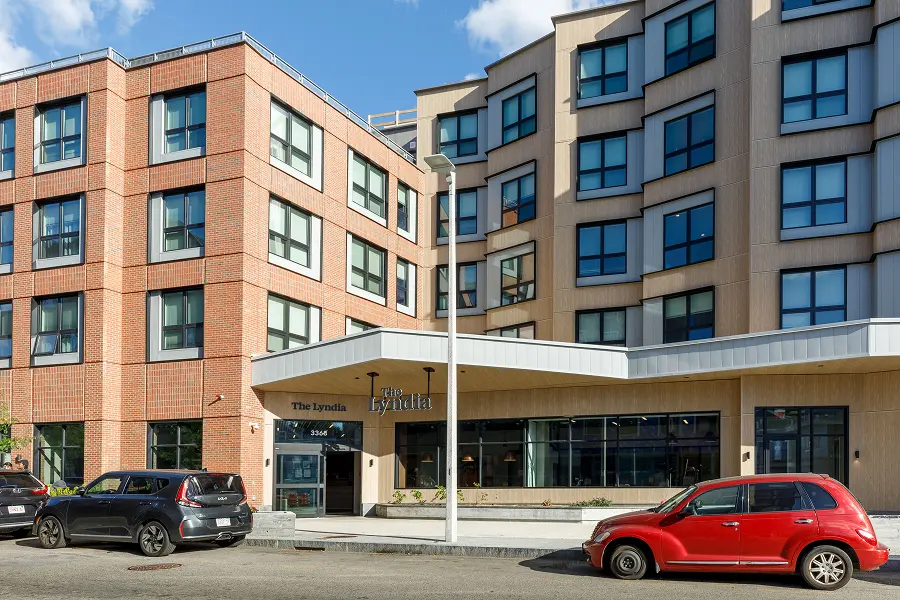
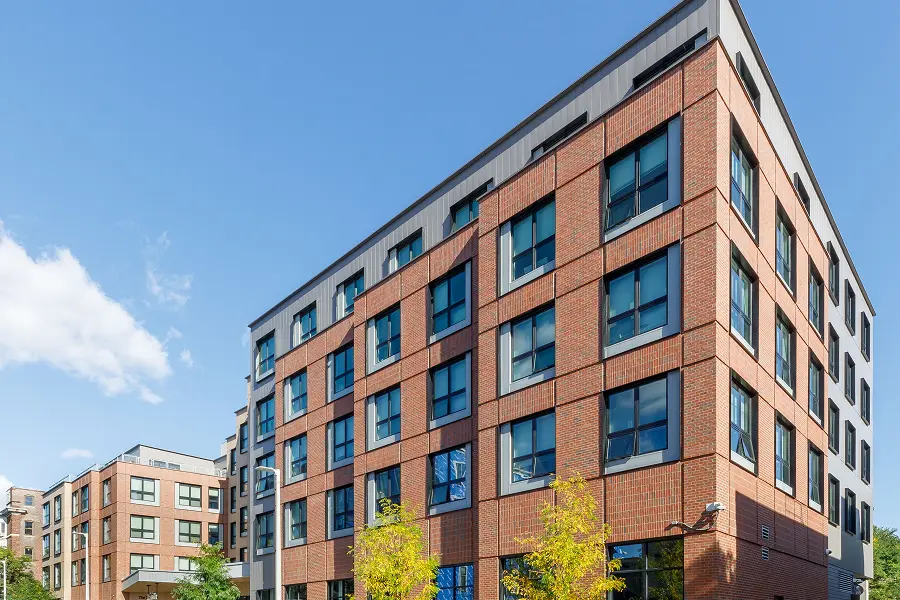
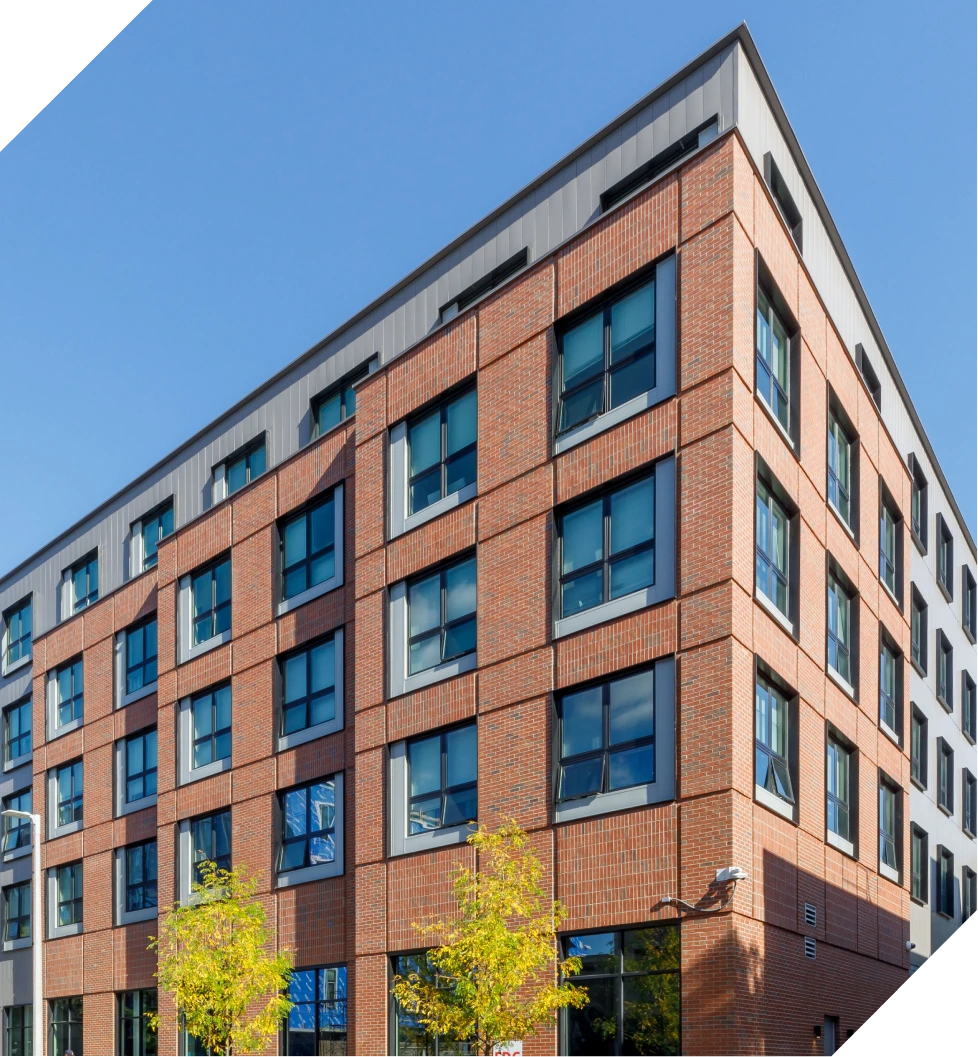
The Community Builders partnered with Pine Street Inn on the redevelopment of 3368 Washington Street in Jamaica Plain. The project provides both permanent supportive housing for formerly unhoused residents and additional affordable rental homes, bringing housing and services together on an underutilized commercial site.


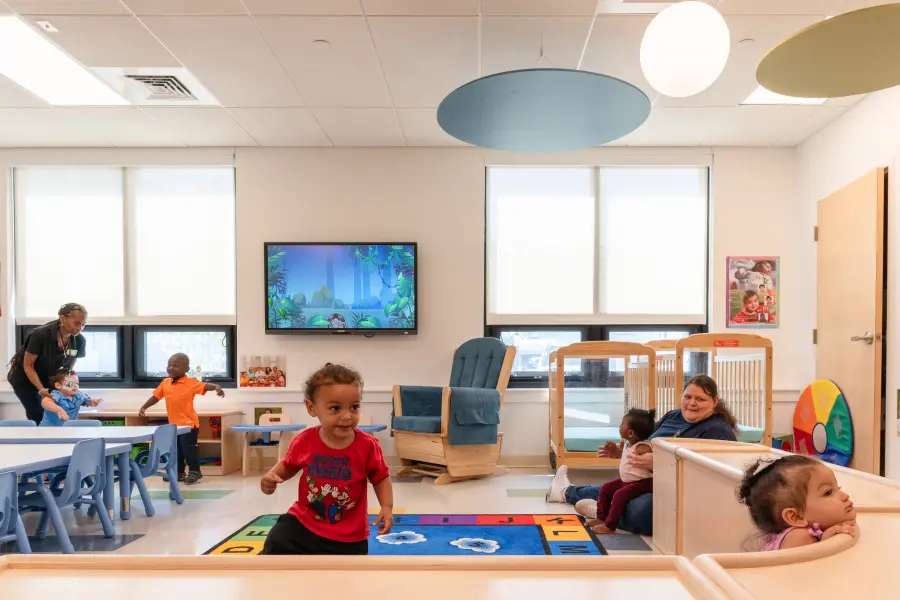
NorthStar’s programmatic reach includes programs to address mental health, environmental justice, food insecurity, youth and families, and culturally-informed child care and education for the vibrant New Bedford community. After decades of operating within smaller, constrained sites, the organization launched a ten-year campaign to mobilize community investment to create a permanent facility that could better meet growing demand.
The new early education center represents investment ranging from federal sources to the organization’s first capital campaign and allowed NorthStar to expand its enrollment capacity to ten classrooms and centralize its programs under one roof. The new facility features community spaces and a commercial kitchen, enabling NorthStar to integrate its immersive arts, developmental therapies and community farming programs into its licensed child care services.
The facility reflects sustained local investment and provides a stable, welcoming environment where early education, family support, and community connection can grow together.
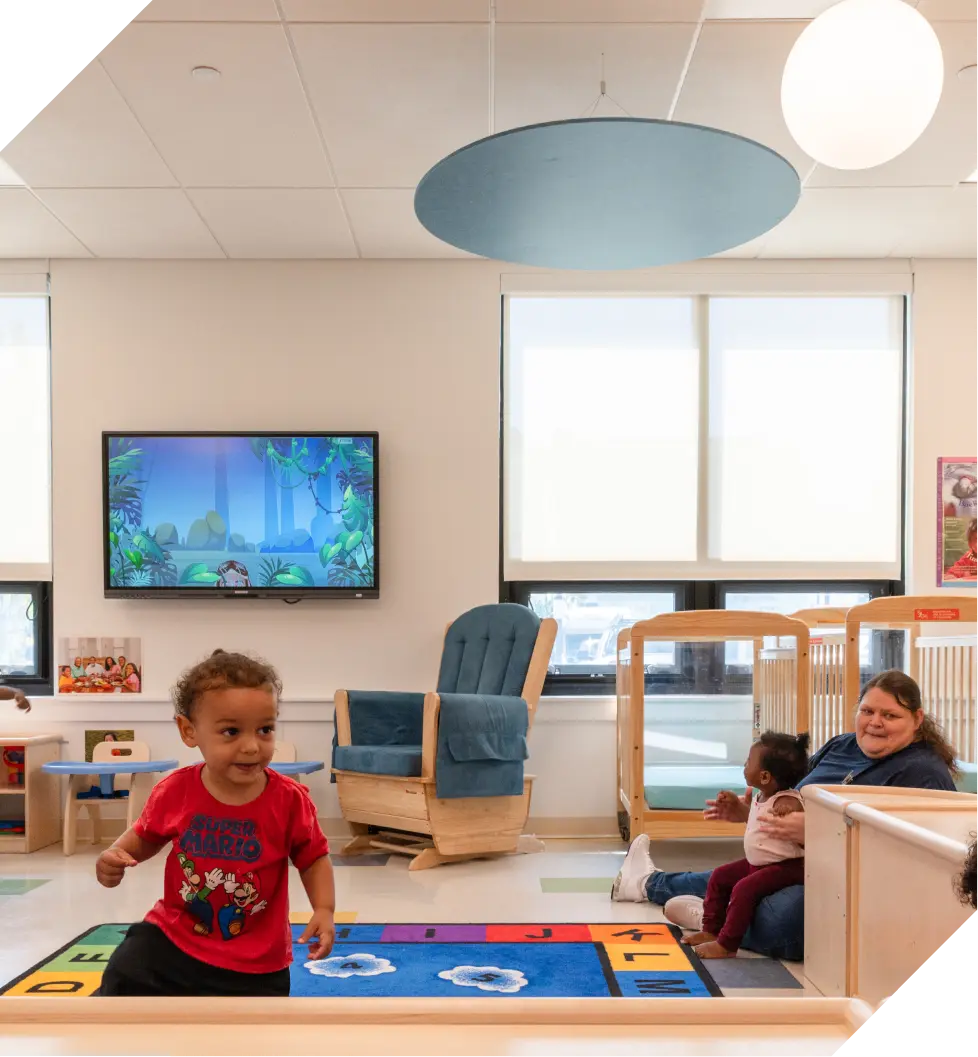
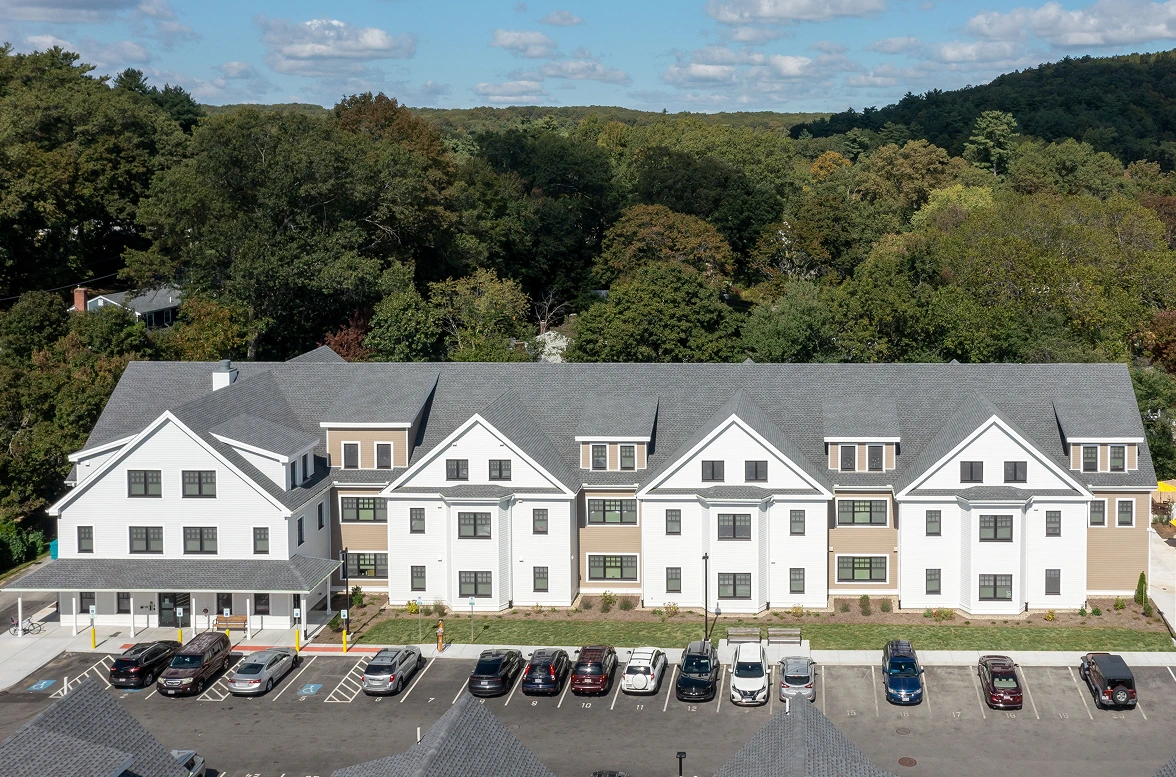
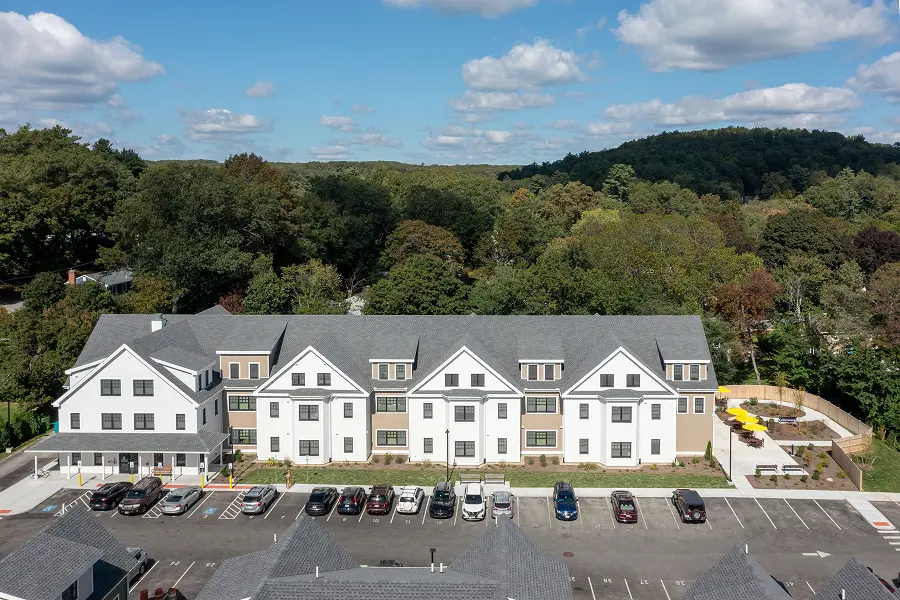
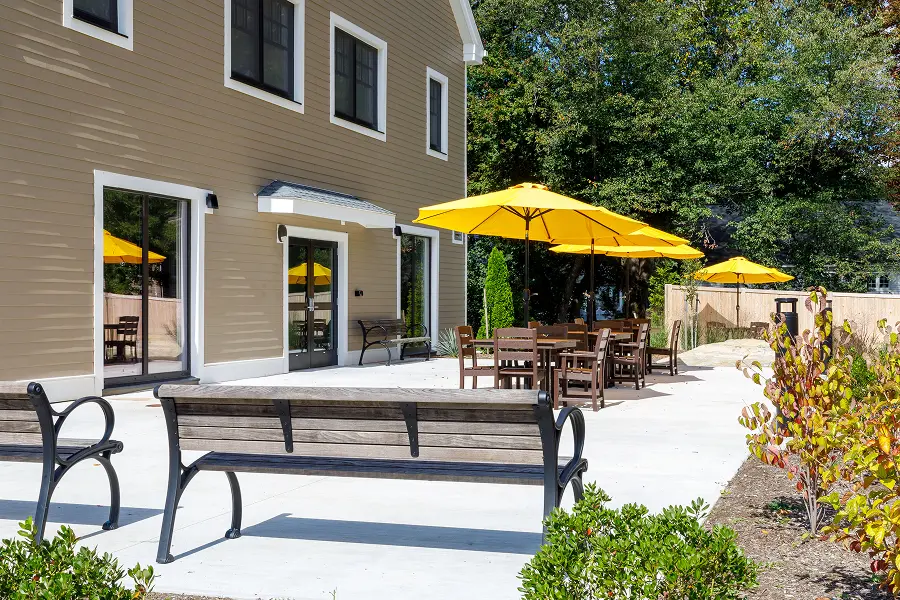
Metro West Collaborative Development and Civico redeveloped the former Hudson police station into Packard Street Commons. The project blends affordable rental housing with homeownership opportunities, reflecting strong local collaboration and community support. CEDAC provided state bond program funds and predevelopment financing supported by the Home Funders Collaborative. The energy efficient property is Passive House certified.
Click above to watch a short video on this project
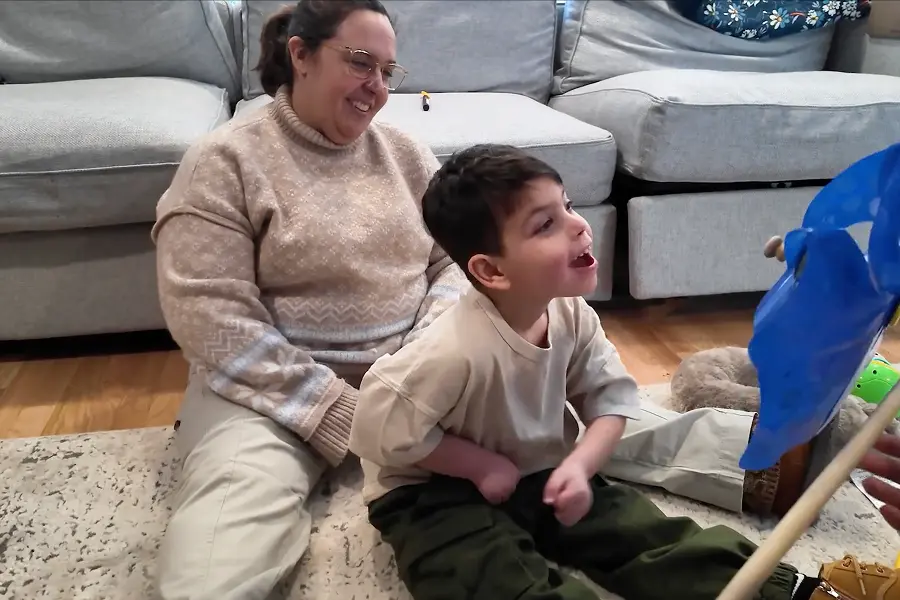
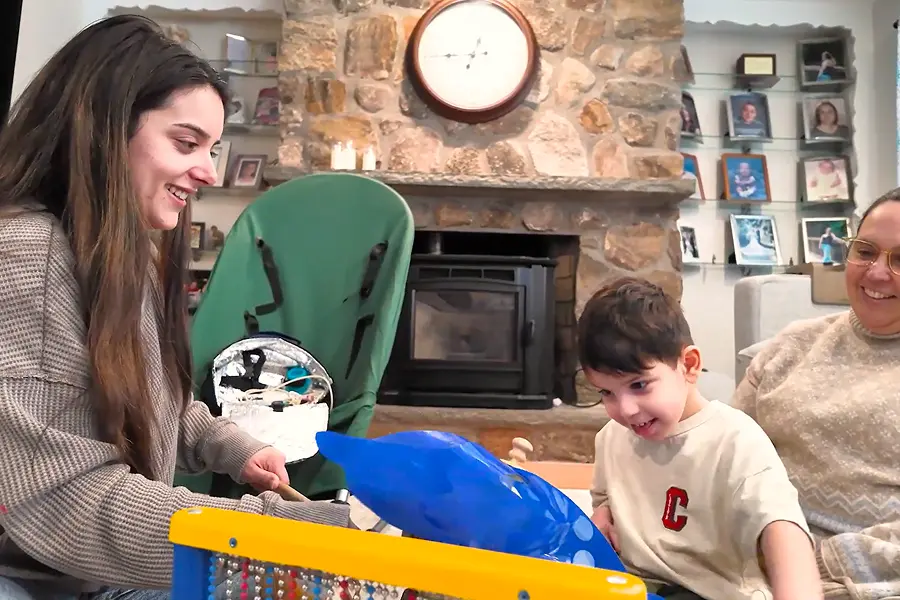
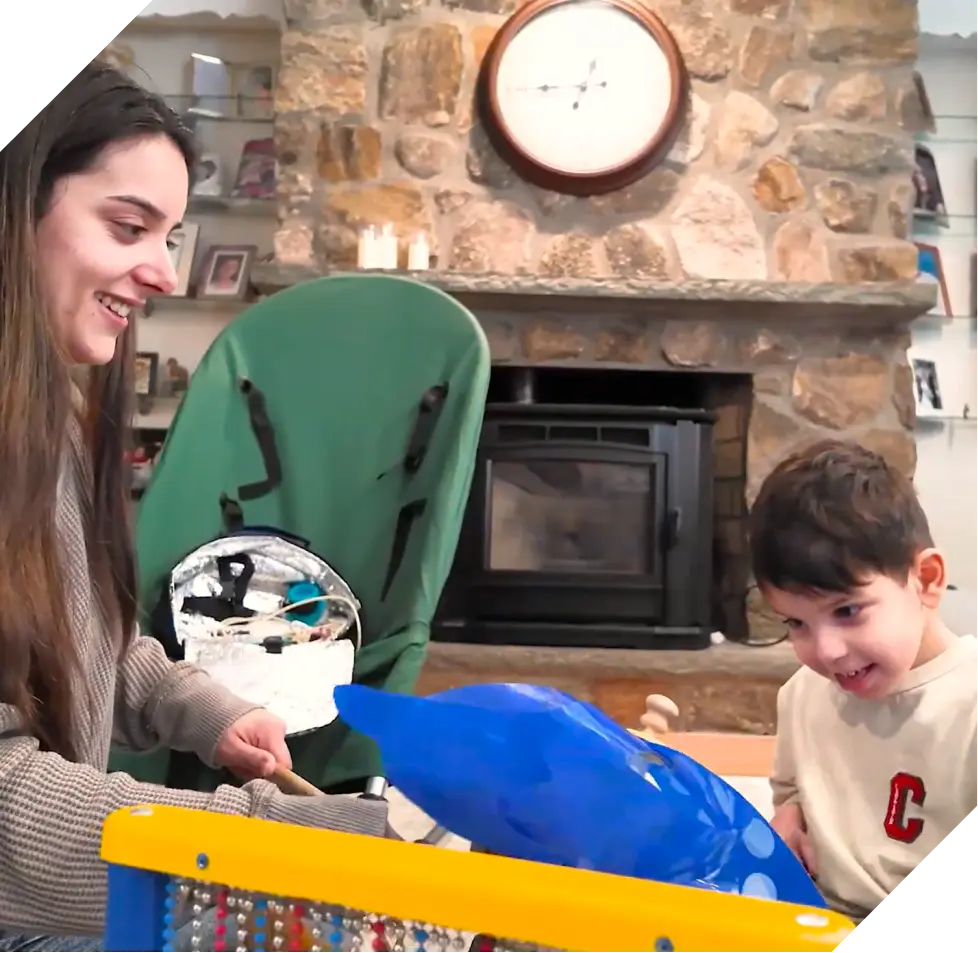
The Pederson family is a six-person, multi-generational household in Ashland, Massachusetts. Carter, age four, lives with lissencephaly, a rare neurological disorder that causes developmental delays and intellectual disabilities. He uses a wheelchair, and the layout of the family’s home—owned by his grandparents—presented increasing challenges for his daily care and mobility.
Through the state-funded Home Modification Loan Program (HMLP), the family completed a series of accessibility improvements tailored to Carter’s needs. The project included enlarging the bathroom to accommodate a roll-in shower and shower chair, widening Carter’s bedroom doorway, and reconfiguring the first floor to create a more open, wheelchair-accessible layout. The total project cost was approximately $94,000 and was supported in part by a $50,000 HMLP loan.
Kimberly Yau of South Middlesex Opportunity Council (SMOC) worked closely with the family throughout the process, helping them navigate the project from start to finish. The completed modifications allow Carter to move more safely and comfortably throughout his home, enabling the family to remain together and continue providing care in a space that meets their long-term needs.
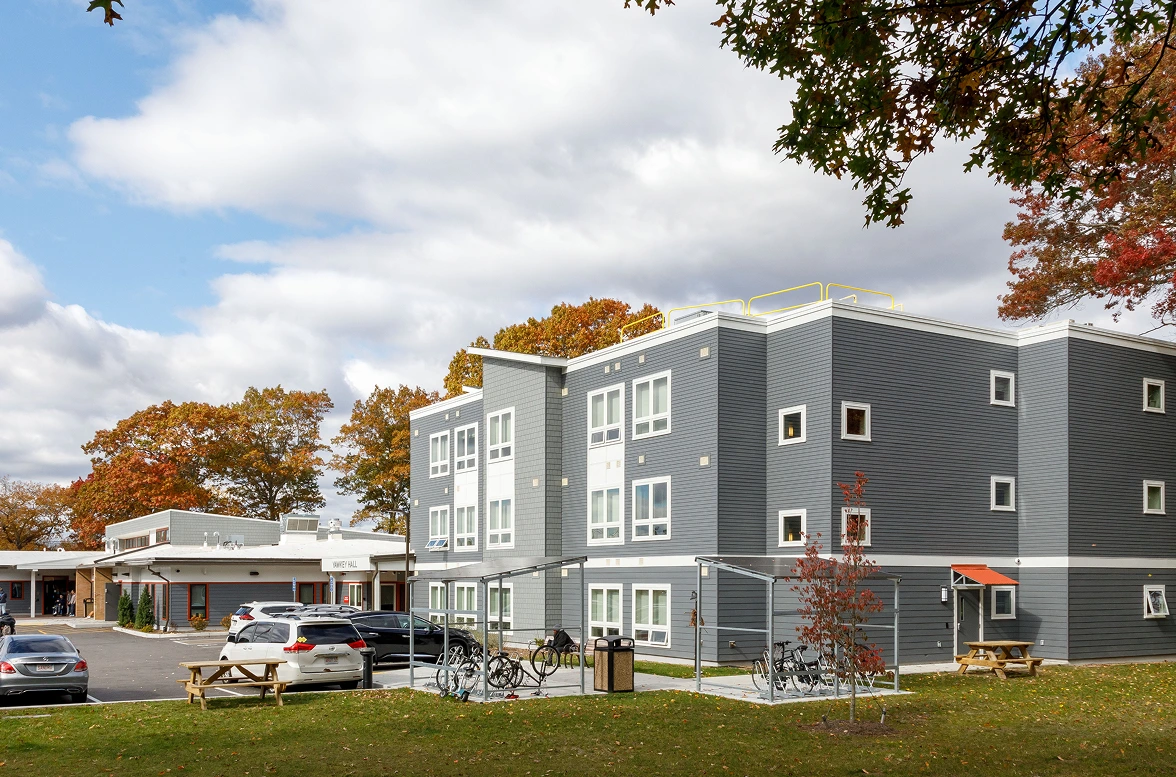
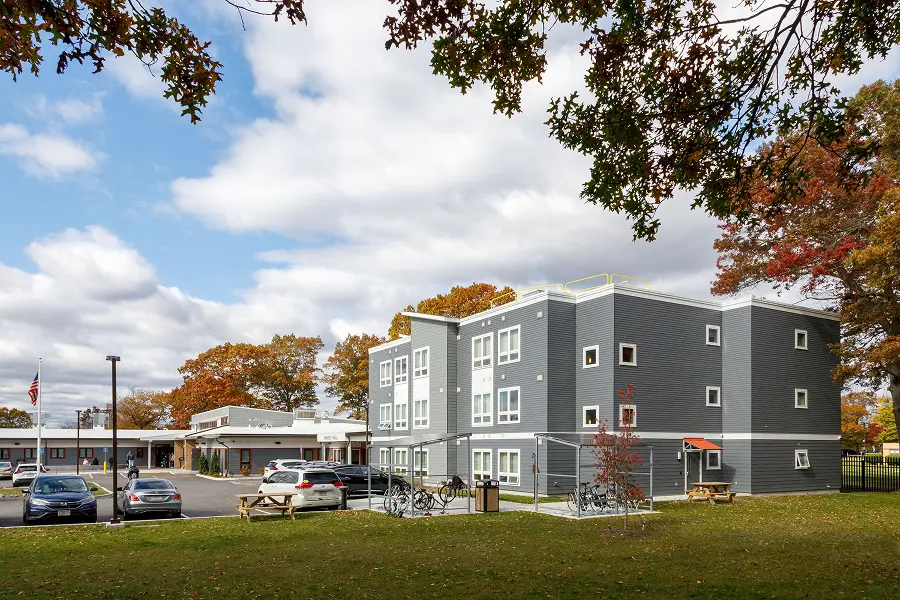
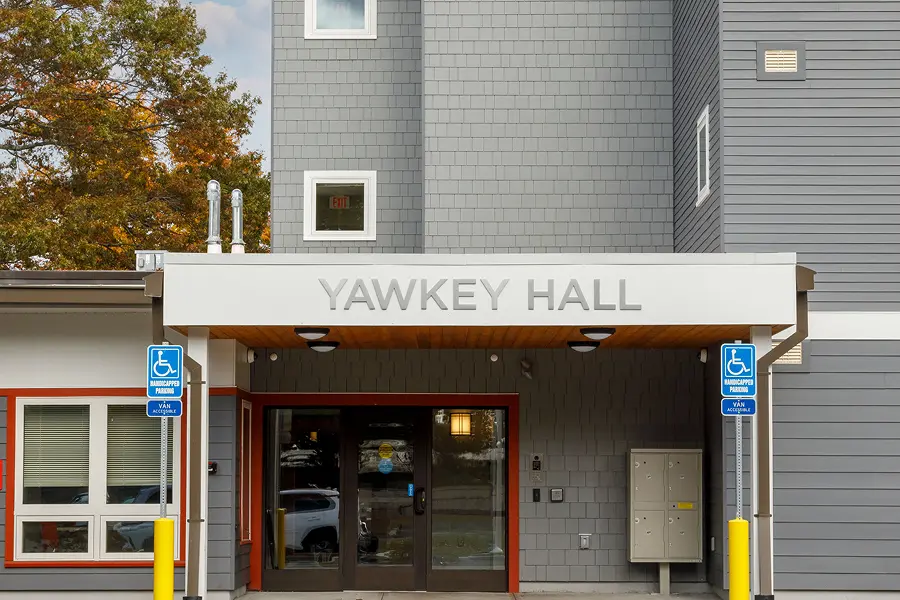
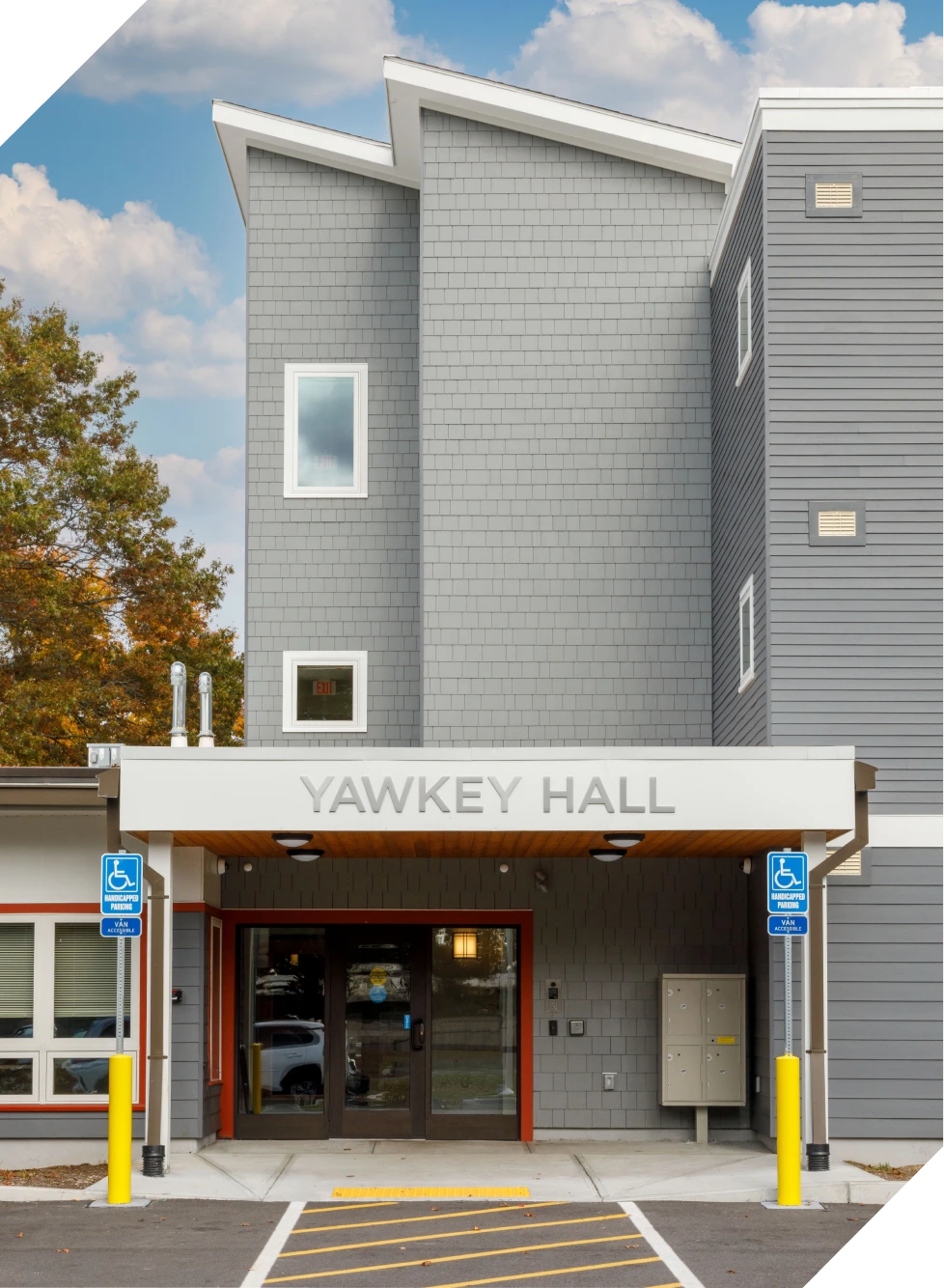
CEDAC provided financial and technical assistance to Father Bill’s & MainSpring for the development of the Smith Family Housing and Resource Center in Brockton. The multi-use facility brings emergency shelter, wrap-around supportive services, and permanent supportive housing together on a single site, improving access and coordination for people experiencing homelessness. The project repurposes a former U.S. Army Reserve Center for long-term community use using authority from Title V of the McKinney-Vento Homeless Assistance Act.
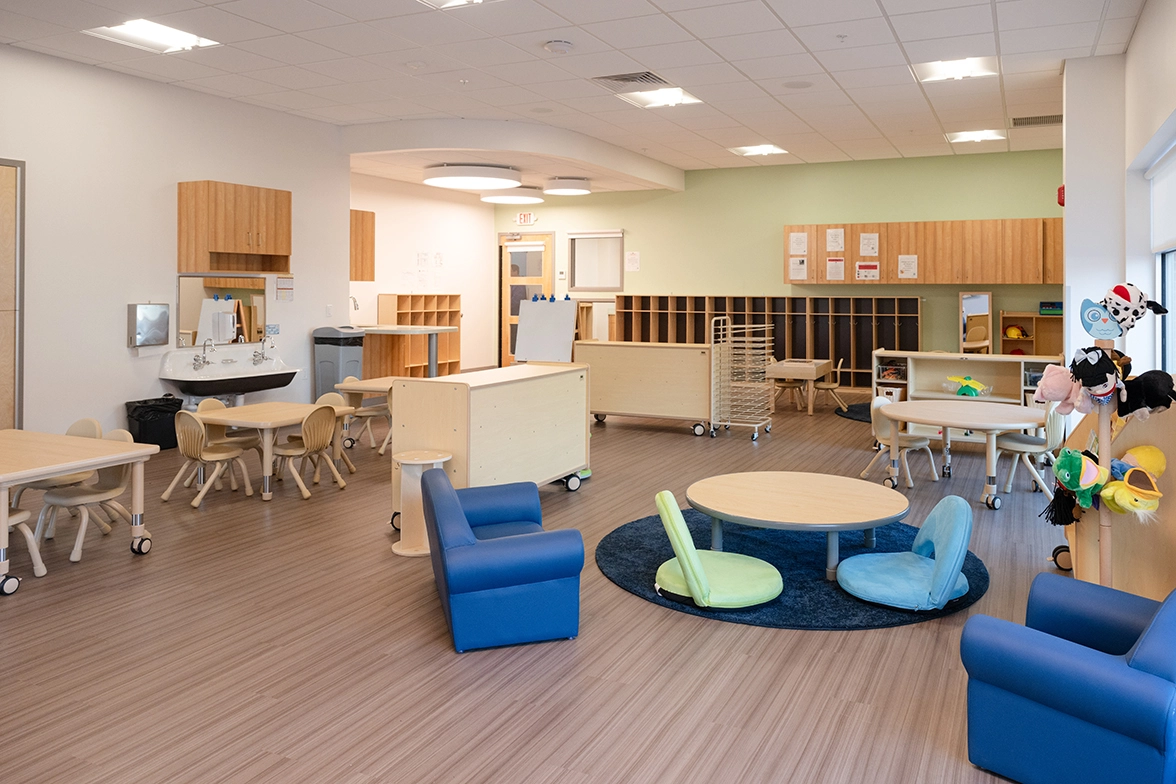
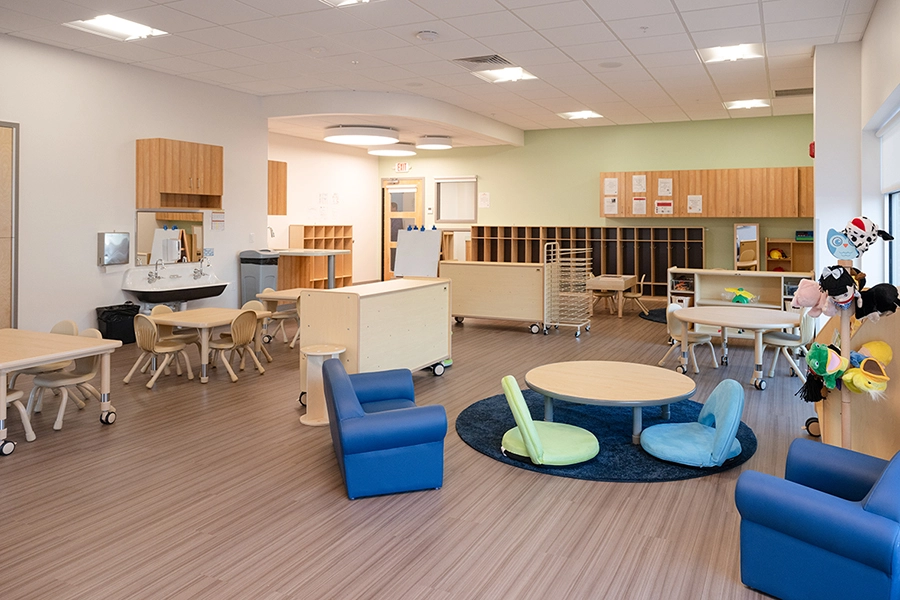
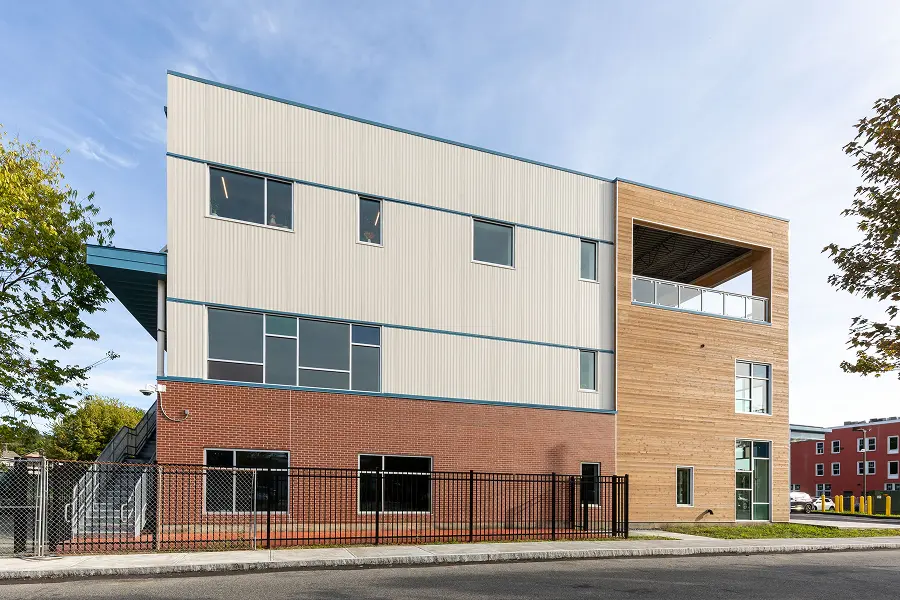
For nearly 150 years, Square One has provided early education and family supports to the most vulnerable families in the Springfield region. After its main facility was destroyed by a 2011 tornado, the organization had to sell the land. Fourteen years later, Square One opened a new early education center on the same site, thanks to exceptional investments from private and public entities within the greater community. The new early education center brings together classrooms, family services, and administrative operations in a purpose-built facility designed to support young children and their families. The center includes preschool classrooms and outdoor learning and play spaces serving children from extremely low-income households, with a design that supports trauma-informed care and integrated family services and therapeutic interventions to help children thrive.
Located near major employers in the area, the site prioritizes safety, privacy, and accessibility, helping families connect early education with broader stability and opportunity.