Investing in child care infrastructure can be transformative

CHILD CARE is vital to our economy. This has never been more apparent than over the past 18 months as the COVID-19 pandemic shut down schools and child care centers across the Commonwealth – and the country. Parents and families rely on child care to work each day, and businesses rely on those employees to stay open and operational. The hope and expectation is that their children receive education and care in a safe and healthy environment that enables them to learn, socialize, and develop. The quality of these spaces is a crucial component of program quality.

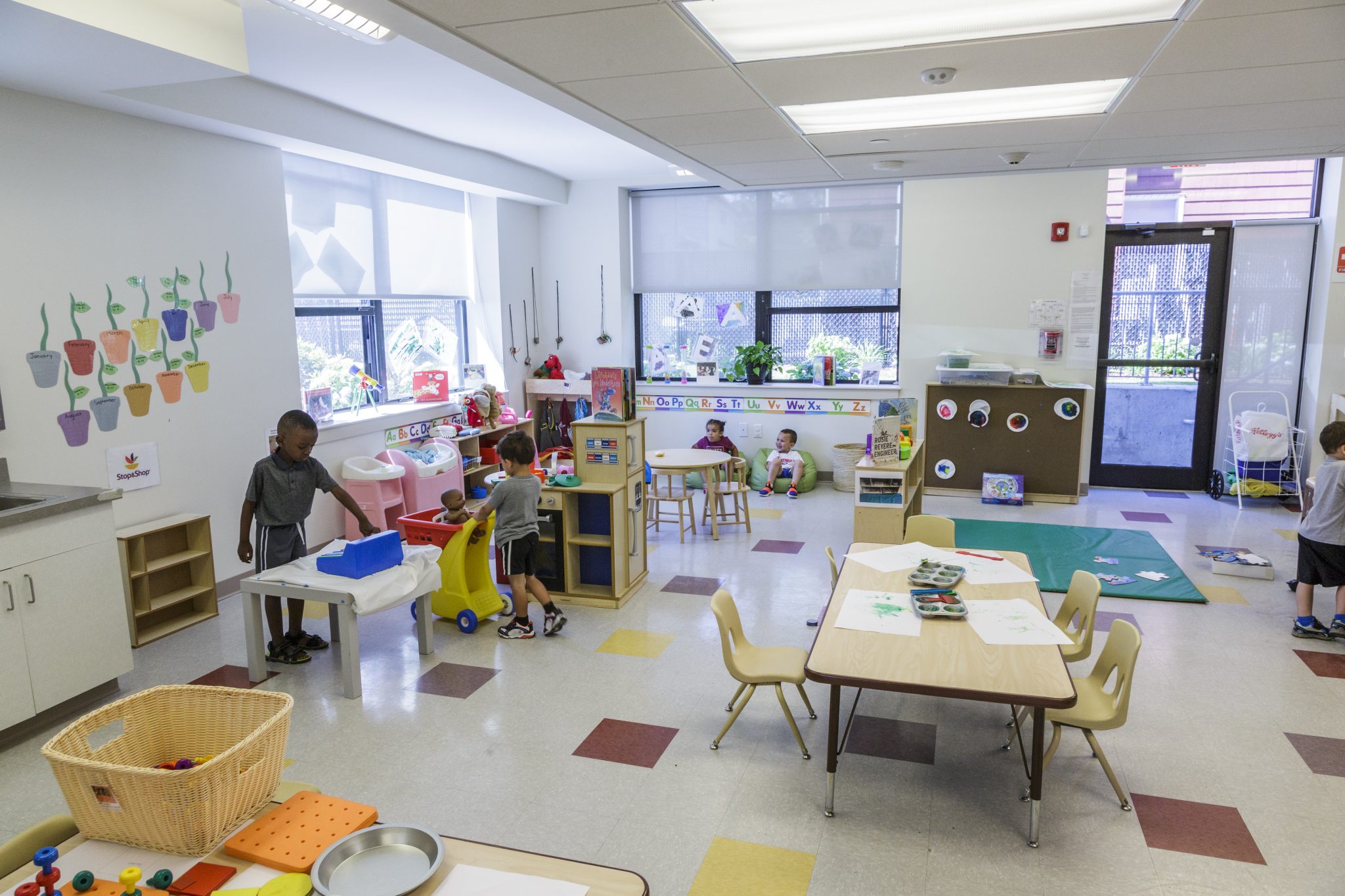
Child care is essential, yet the nation’s system has faced scarce funding for decades. The physical infrastructure has suffered, as evidenced by a 2011 report by Children’s Investment Fund, which discovered that many child care centers in Massachusetts lacked necessities like efficient ventilation systems, sinks in classrooms for handwashing, adequate outdoor play spaces, and sufficient natural light.

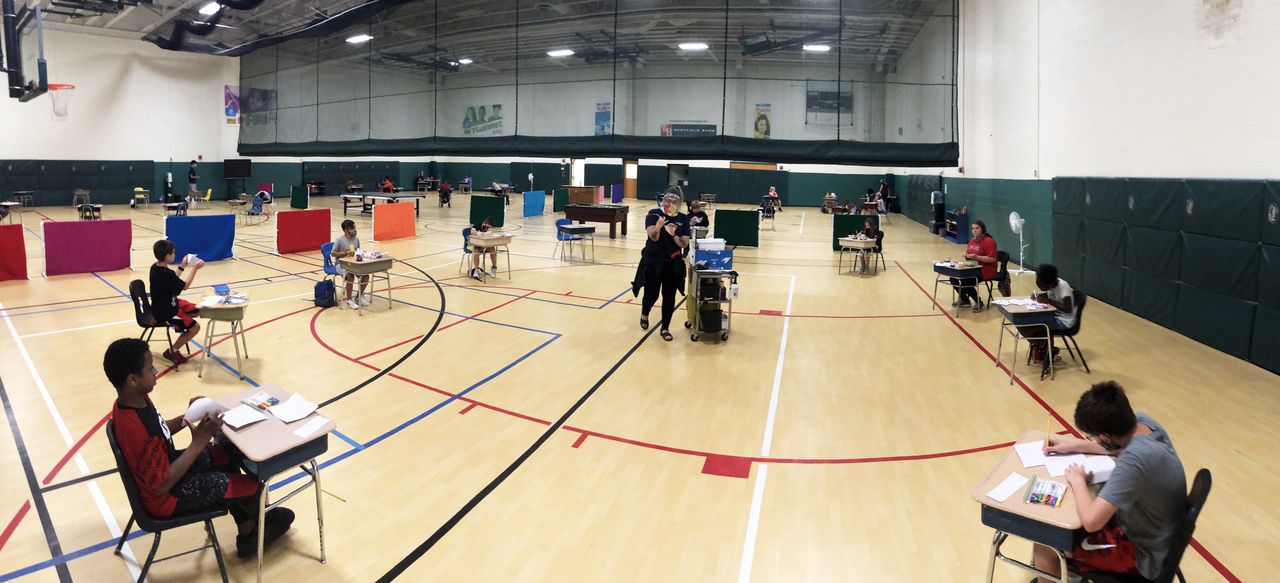
Unfortunately, 10 years later, many child care centers throughout the Commonwealth still require much-needed investment to provide the high-quality care children and their educators deserve. While Children’s Investment Fund has provided support, training, and investments to centers, more work is to be done. The infrastructure challenges facing child care centers were made even more apparent in the wake of the COVID-19 pandemic, exposing the need to upgrade facilities to include proper ventilation and enough play and learning spaces that enable social distancing.

Children’s Investment Fund recently released a report, Building Quality: Transforming Early Learning Environments in Massachusetts, reflecting on the organization’s 30 years of work and highlighting the Early Education and Out of School Time Capital Fund created in 2013 together with the Department of Early Education and Care. The report rebrands the program as the Building Quality Capital Fund. Since its establishment, the Building Quality Capital Fund has invested a total of $39.2 million in child care facilities across Massachusetts, including $7.5 million in additional grants announced this summer to address emergency COVID-related needs.

Over half of the facilities are located in Gateway Cities. Ensuring that safe, viable child care facilities exist in these cities will only further efforts to revitalize these cities, support workers, and support their local economies.

One of the grantees, For Kids Only Afterschool, received a $400,000 award to help construct an afterschool building in Revere to serve up to 140 children. The funds allowed the organization to move from a leased storefront with no outdoor play space to a brand-new building with a commercial kitchen, large gym, and better ventilation. The impact on the program was transformative. The ample space, operable windows, and outdoor space became essential once the COVID-19 pandemic hit years later.

Not all environments produce equal results for all children. Through research and our 30 years of experience, Children’s Investment Fund has learned that child well-being is enhanced when facilities incorporate spacious classrooms, a bathroom in each room, natural light, indoor and outdoor play areas, and proper ventilation. The Building Quality Capital Fund has demonstrated that these improvements are possible and that a mix of public and private funding can achieve these results. The funding has helped improve learning environments for over 9,000 children, more than 80 percent of whom live in low-income households.

For the first time in decades, our society seems to understand the value of child care in our communities. Most parents need to work, and their children need stimulating environments that support their healthy social-emotional, physical, cognitive, and language development during the long hours spent away from home.  We must continue to raise the bar for our children and support the organizations who care and educate them as they seek to revitalize their spaces to provide high-quality learning environments. We have an opportunity to meet the moment and give these centers the investments and tools they need.

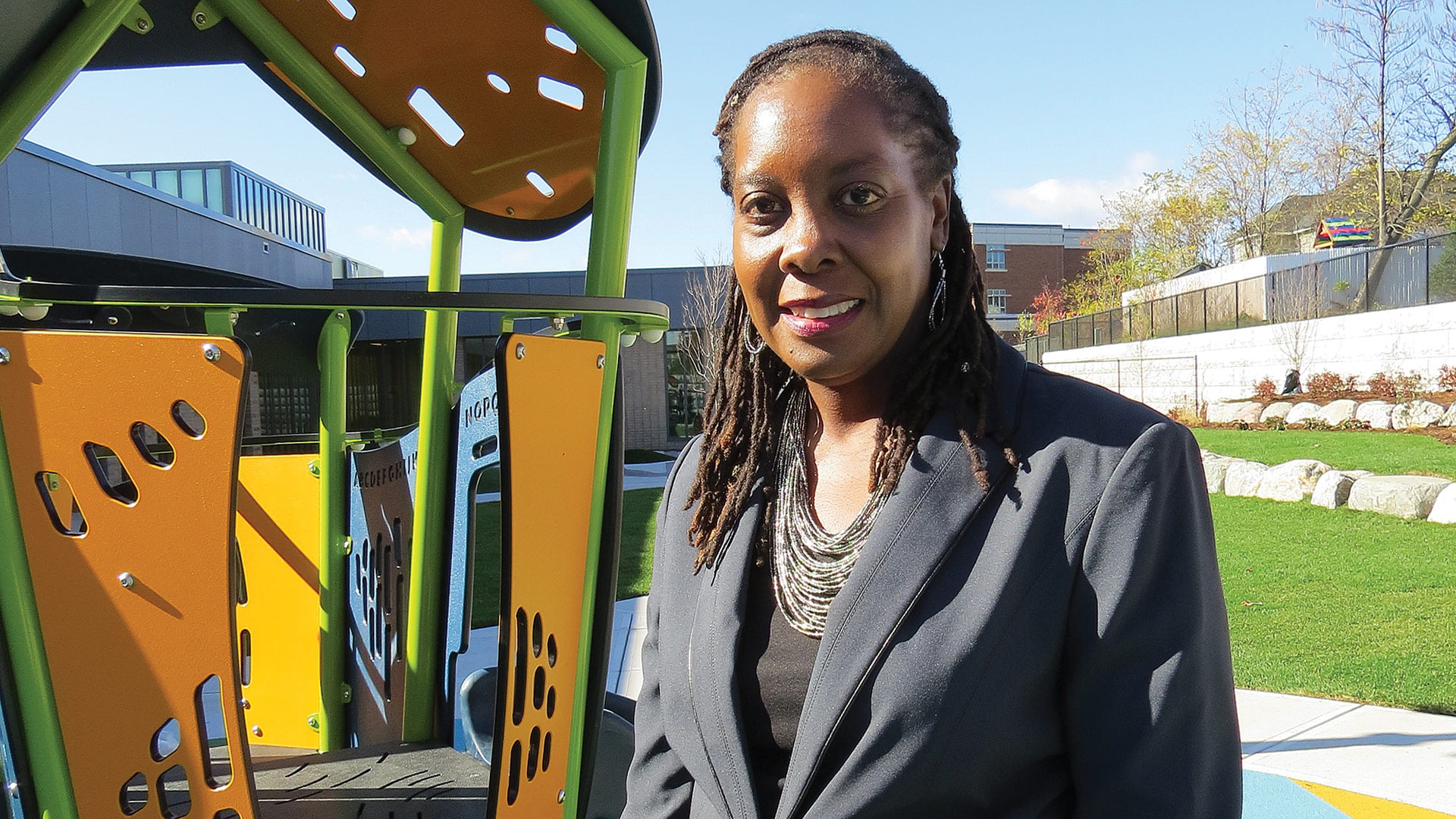
Theresa Jordan is director of the Children’s Investment Fund.

»

SourceCommonWealth Magazine

Biden-Harris Administration Transition Memo: Opportunities for Advancing the Nation’s Early Care and Learning Infrastructure

SourceNational Children’s Facilities Network

Here’s how the YMCA plans to use a $1 million grant to improve child care in Brockton

BROCKTON — The Old Colony YMCA plans to use a $1 million state grant to renovate child care space in the city to better serve the community and invest in the downtown.

“It’s a win-win all the way around,” said CEO and President Vinnie Marturano.

The renovation project will be at the youth division building at 465 Main St., which is down the street from the city’s central branch.

Improvements will be made in the lower portion of the building to create more space and repurpose underused areas.

Kim Moran, senior vice president of child development and protection for Old Colony YMCA, said the project will add another classroom, create an open indoor place space, update bathroom facilities and add more office space.

Accessibility improvements and electric and ventilation system upgrades will be done during the renovation, Marturano said.

The classrooms in the basement of the Old Colony YMCA in brockton pictured on Thursday, Dec. 3, 2020, at 465 Main St are going to be renovated as part of the grant the YMC received.

The youth division building is used for before- and after-school programs for school-aged children. Now it is used for full-day remote learning, Moran said.

In Brockton, the YMCA has another space at Centre Street for students to participate in remote learning. There is also programming for students learning in a hybrid model in districts in the other communities the organization serves.

“We’re trying to fill the need for parents,” she said. “It’s about where they need us the most.”

The grant helps nonprofit organizations serving primarily low-income families and communities renovate or build new child care facilities.

Marturano said the YMCA applied to the competitive grant previously, and this year it was successful. The organization was one of seven organizations from around the state selected.

The entire project will cost about $2.4 million, so the YMCA will need to raise money to make up the rest of the costs, he said.

The small pool that is no longer in use at the Old Colony YMCA child care center pictured on Thursday, Dec. 3, 2020, at 465 Main St. in Brockton is going to be filled in to make room for new classrooms, bathrooms and an indoor play space.

Pre-pandemic, child care represented 25 percent of Old Colony YMCA’s operating revenue, Marturano said. It had the licensed capacity to care for 2,800 kids at 48 different sites around the South Shore.

The number of children the organization can care for has been reduced to meet state requirements aimed to minimize the spread of COVID-19.

This year, people have realized how important and critical child care is to families and the economic system, he said.

“We continue to follow the crisis in child care that has been significantly heightened during the pandemic situation we all find ourselves in,” Marturano said.

The grant also helps the YMCA show its commitment to Brockton and development in downtown, he said.

The entrance of the Old Colony YMCA child care center pictured on Thursday, Dec. 3, 2020, at 465 Main St. in Brockton will be moving to the side of the building after renovations. There will be a new handicap ramp as well as an elevator that goes to all floors including the basement.

Marturano said the city and state have shown a similar commitment to bringing more proactive development to Main Street near the Brockton central branch.

Upgrading the child division building is a way to invest in downtown and provide infrastructure to serve the community, he said.

Marturano is hopeful that this will lead to other investment in the area.

SourceThe Enterprise

Early education funds to expand facilities, increase child care capacity essential in public health crisis (Editorial)

In 2018, the reauthorization of the Early Education and Out-of-School Time Capital Fund (EEOST) in the state’s housing bond bill was important news. There was a need for sustained targeted improvements in Massachusetts early education programs. Since its original passage in 2013, the Department of Early Education and Care and the Children’s Investment Fund at the Community Economic Development Assistance Corporation have awarded four rounds of EEOST Capital Funds grants that provided $19 million to 25 agencies across the state. Beneficiaries included, $1 million in 2018 to Holyoke-Chicopee-Springfield Head Start, and $1 million in 2015 to the Valley Opportunity Council in Chicopee.

The recent Baker-Polito administration announcement of an additional $6.5 million in EEOST grant funding to seven organizations will allow renovations and expansions of childcare facilities that serve mostly low-income children. This is welcome news in an environment where facilities must meet new standards due to COVID, and parents experience waiting lists for childcare.

“As a result of the COVID-19 pandemic, so many early childhood education providers are struggling to meet the needs of vulnerable families and communities. It is gratifying to be able to announce that these seven programs will receive the necessary funding to create high-quality, safe and healthy learning environments,” said Theresa Jordan, director of the Children’s Investment Fund, an affiliate of CEDAC.

One of the recent recipients was a $1 million grant to the Boys and Girls Club of greater Westfield. The facility plans to build an addition to expand its out-of-time program and build a new preschool classroom.

According to data from 2018, around 74% of children under the age of 6 have both parents in the workforce. And during COVID, providing children with a safe out-of-school time place has become increasingly challenging. While Massachusetts childcare system is primarily a private funding system, this funding fills a gap that allows facilities such as the Westfield Boys and Girls club to begin expanding immediately and offer more opportunities to those families in dire need.

SourceMassLive

Boys & Girls Club of Greater Westfield gets $1 million grant to expand facility

In 2018, the reauthorization of the Early Education and Out-of-School Time Capital Fund (EEOST) in the state’s housing bond bill was important news. There was a need for sustained targeted improvements in Massachusetts early education programs. Since its original passage in 2013, the Department of Early Education and Care and the Children’s Investment Fund at the Community Economic Development Assistance Corporation have awarded four rounds of EEOST Capital Funds grants that provided $19 million to 25 agencies across the state. Beneficiaries included, $1 million in 2018 to Holyoke-Chicopee-Springfield Head Start, and $1 million in 2015 to the Valley Opportunity Council in Chicopee.

The recent Baker-Polito administration announcement of an additional $6.5 million in EEOST grant funding to seven organizations will allow renovations and expansions of childcare facilities that serve mostly low-income children. This is welcome news in an environment where facilities must meet new standards due to COVID, and parents experience waiting lists for childcare.

“As a result of the COVID-19 pandemic, so many early childhood education providers are struggling to meet the needs of vulnerable families and communities. It is gratifying to be able to announce that these seven programs will receive the necessary funding to create high-quality, safe and healthy learning environments,” said Theresa Jordan, director of the Children’s Investment Fund, an affiliate of CEDAC.

One of the recent recipients was a $1 million grant to the Boys and Girls Club of greater Westfield. The facility plans to build an addition to expand its out-of-time program and build a new preschool classroom.

According to data from 2018, around 74% of children under the age of 6 have both parents in the workforce. And during COVID, providing children with a safe out-of-school time place has become increasingly challenging. While Massachusetts childcare system is primarily a private funding system, this funding fills a gap that allows facilities such as the Westfield Boys and Girls club to begin expanding immediately and offer more opportunities to those families in dire need.

SourceMassLive

Guild of St. Agnes child care center, to be built at old Worcester Boys & Girls Club, gets $1M grant

WORCESTER – A day care center for low-income children to be built in the former Boys & Girls Club on Ionic Avenue and run by the Guild of St. Agnes received a $1 million state grant Thursday.

“This is terrific,” said Edward P. Madaus, the Guild’s executive director, expressing gratitude to Lt. Gov. Karyn Polito and Gov. Charlie Baker for “seeing the need.”

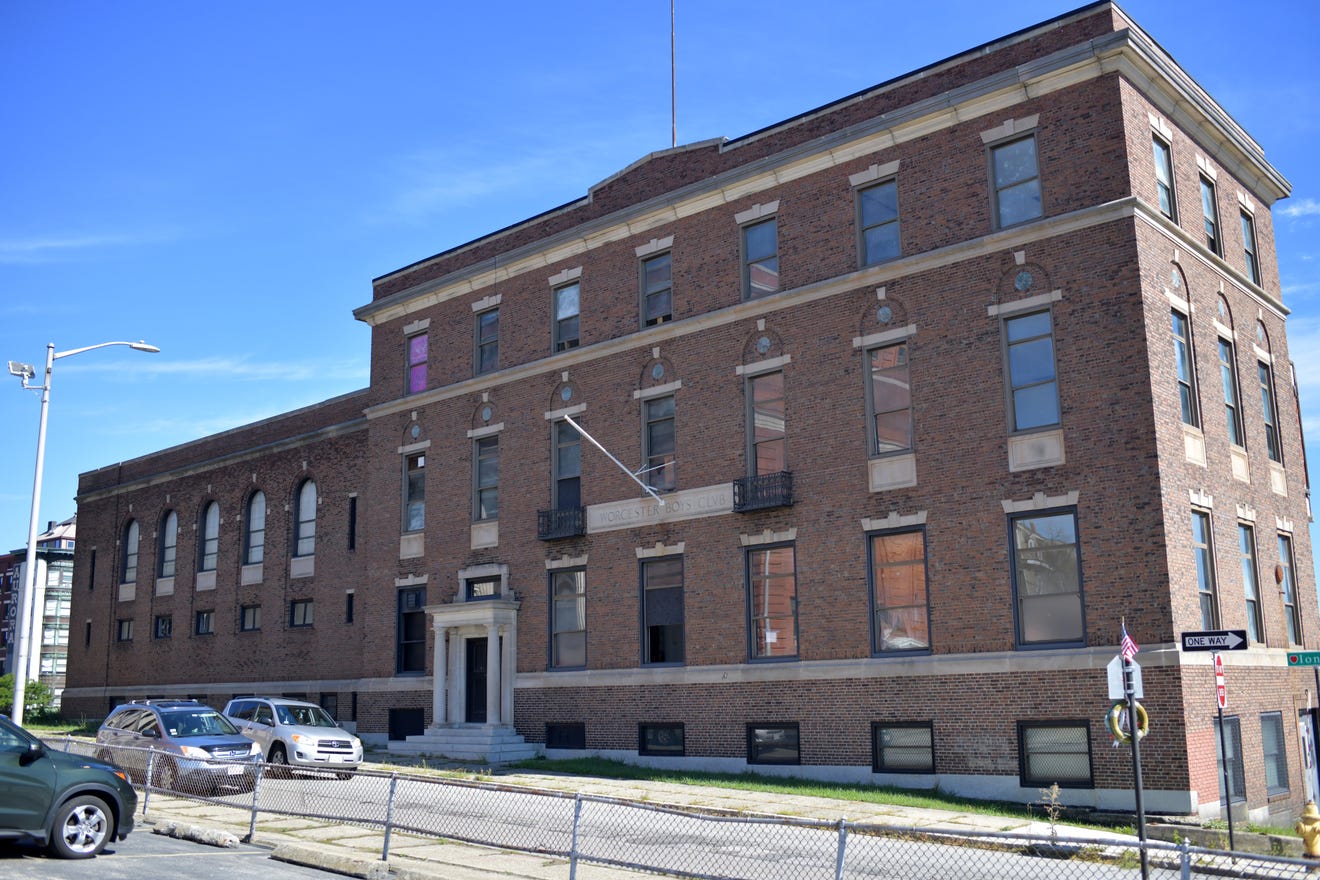
The new center will be in the long-vacant 30,000-square-foot Boys & Girls Club building, to be reshaped into a $14.4 million creative arts complex, Creative Hub Worcester Arts Center. The project is expected to be completed in 2022

The Baker-Polito administration and the Community Economic Development Assistance Corp. announced a series of early education grants on Thursday.

The Guild of St. Agnes project will expand its child care capacity, with 88 additional toddler and preschool slots.

“There aren’t a lot of child care facilities in Main South. We thought we would be servicing a clientele that needs more child care down there,” Madaus said.

The Guild received a similar grant for $700,000 three years ago to purchase a building at 58 Bigelow St. in Webster to operate a child care center.

The Guild of St. Agnes, started in 1913 by a group of parishioners at Ascension Church on Vernon Street, operates 11 child care centers in Worcester County (six in the city), and an additional six in the Worcester Public Schools. Before the pandemic, the centers served about 1,700 children, ages 6 weeks to 12 years old. The number is now about 1,300. The centers in the schools are currently closed.

The $1 million state grant announced Thursday is part of $6.5 million in Early Education and Out-of-School Time funding awarded to seven organizations. The capital improvement grants help nonprofit center-based child care programs renovate or build high-quality child care facilities that serve mostly low-income families. The grants are managed by the Children’s Investment Fund and the Massachusetts Department of Early Education and Care.

“We are grateful to the educators and child care providers statewide who have worked tirelessly to adapt over the last several months as we continue to combat the COVID-19 public health crisis,” Baker said in the announcement. “Through these grants, we are able to make improvements to child care programs that boost the quality of early education and care and provide families in communities throughout the commonwealth with the resources necessary for success in the classroom and beyond.”

SourceTelegram & Gazette

Westfield Boys and Girls Club receives $1M early education grant

WESTFIELD, MA (WGGB/WSHM) — The Westfield Boys and Girls Club will expand its out-of-school time program.

This comes after Governor Charlie Baker announced a $6.5 million grant in early education and out-of-school time.

The money was awarded to seven organizations to help them renovate childcare facilities that serve low-income children.

The state awarded $1 million went to Westfield’s Boys and Girls Club.

The organization said one of the projects it will put the money towards is building a new pre-school classroom that will be able to fit 20 preschoolers.

SourceWestern Mass News

Baker-Polito Administration Awards $6.5 Million for Early Education Programs; SMOC Receives $475,000 For Framingham Suburban Child Care

BOSTON – The Baker-Polito Administration and the Community Economic Development Assistance Corporation (CEDAC) today announced $6.5 million in Early Education and Out-of-School Time (EEOST) grant funding awarded to seven organizations to help them renovate childcare facilities that serve low-income children.

Managed by the Children’s Investment Fund, CEDAC, and the Massachusetts Department of Early Education and Care, EEOST capital improvement grants help non-profit center-based childcare programs renovate or build high-quality childcare facilities which serve mostly low-income families.

“We are grateful to the educators and childcare providers statewide who have worked tirelessly to adapt over the last several months as we continue to combat the COVID-19 public health crisis,” said Governor Charlie Baker. “Through these grants, we are able to make improvements to child care programs that boost the quality of early education and care and provide families in communities throughout the Commonwealth with the resources necessary for success in the classroom and beyond.”

South Middlesex Opportunity Council (SMOC)  in Framingham received $475,000.

SMOC plans to improve the existing Framingham Suburban Childcare program by installing a new HVAC system, as part of a larger renovation project at the facility.

The program has capacity for 140 infants, toddlers, and preschoolers, and 156 school-age children, the majority of whom are from low-income families.

“Now more than ever, quality childcare and resources are critical to families and children across the state,” said Lt. Governor Karyn Polito. “Our Administration is pleased to support these critical investments that provide safer environments for children to learn in, while providing educators with modernized facilities.”

During the FY20 grant funding round, early childhood education programs could receive awards up to $1 million for major capital projects.

“Child care providers across the Commonwealth are working every day to make sure that families are able to go to work and our youngest children receive the education, support and care that they need,” said Education Secretary James Peyser. “In the upcoming round of grants that will be made available, group and school-age providers will be able to take care of critical repairs and improvements to meet new standards due to COVID.”

“The current public health crisis underscores the need for safe learning environments that support the healthy growth and development of all children,” said Samantha Aigner-Treworgy, Commissioner of the Massachusetts Department of Early Education and Care. “We are thrilled to be able to support these seven programs across the Commonwealth as they turn their projects into reality.”

The EEOST grants are financed through the state’s capital budget and provide matching funds that leverage private investment. The $6.5 million awarded by the Baker-Polito Administration for the FY20 EEOST grants will leverage more than $36 million in additional financing to improve learning environments for nearly 900 children.

“As a result of the COVID-19 pandemic, so many early childhood education providers are struggling to meet the needs of vulnerable families and communities. It is gratifying to be able to announce that these seven programs will receive the necessary funding to create high-quality, safe and healthy learning environments,” said Theresa Jordan, director of the Children’s Investment Fund, an affiliate of CEDAC.

“We are happy to be working with providers across the Commonwealth to ensure that young children from vulnerable communities have access to high-quality early education, and we thank Governor Baker and Lt. Governor Polito for their ongoing support of the EEOST Capital Fund,” said Roger Herzog, CEDAC’s executive director. “Grants from the EEOST Capital Fund are vital to the early education sector, which in turn supports families and strengthens communities.”

Other organizations receiving awards were:
  • Berkshire Family YMCA (Pittsfield) will modernize its current early education and out-of-school time program space as a part of a larger renovation at the Pittsfield YMCA building. The project will increase slots available for infants, toddlers, and preschool-aged children. Once complete, the program will have the capacity to serve 95 infants, toddlers, and preschoolers, and 39 children in out-of-school time programs.
  • Boys and Girls Club of Greater Westfield (Westfield) will build an addition to expand its existing out-of-school time program, including a new preschool classroom. Once complete, the program will have the capacity for 20 preschoolers and 280 children in out-of-school time programs. Grant award: $1,000,000
  • Community Action Incorporated (Haverhill) plans to upgrade the facility at the existing Fox Center Head Start program by installing a new HVAC system and roof. The program serves 106 toddlers and preschoolers, all of whom come from low-income families. Grant award: $1,000,000
  • East Boston Social Centers (East Boston) plans to create a new early learning program within the former Barnes School. The new center will encompass the ground floor of a multi-use building that contains affordable senior housing on the upper floors. Once complete, the center will have the capacity for 41 new infants and toddler-age children, a majority of whom come from low-income families. Grant award: $1,000,000
  • Guild of St Agnes (Worcester) will create a new early learning program within the vacant former Boys and Girls Club building. Once construction is complete, the Guild will operate the center, which is located within a new $14.4M arts and creative complex being developed in partnership between two non-profit organizations. The project will expand child care capacity with 88 additional toddler and preschool slots.  Grant award: $1,000,000
  • Old Colony YMCA (Brockton) will renovate the existing out-of- school time program spaces within the Brockton YMCA building, adding 26 new slots for out-of-school time children and improving the facility which cares for nearly 200 children.

All the programs receiving a grant award serve publicly subsidized families, have demonstrated financial need and have secured additional funding to pay for a portion of their project costs. The Department of Early Education and Care partnered with CEDAC’s affiliate, the Children’s Investment Fund, to administer the grants.

***

Applications for FY21 grants are being accepted now. The new round of grants will allow for smaller amounts of funding, between $100,000 and $250,000, to offset capital improvement expenses related to the COVID-19 public health emergency. This special round of grant funding is intended to give early education and care centers funding resources to make improvements and emergency repairs to address health and safety.

SourceFramingham SOURCE

Springfield’s Educare Facility Is State-Of-The-Art In Every Respect

Nikki Burnett says Springfield’s Old Hill neighborhood and those surrounding it certainly need the gleaming new $14 million Educare facility constructed next door to the Elias Brookings Elementary School on Walnut Street.

More to the point, though, she told BusinessWest, they deserve this facility, which can only be described with that phrase state-of-the-art when it comes to everything from its programs to its play areas to its bathrooms.

“Mason Square, Old Hill, McKnight, Bay, all those neighborhoods … they’re so rich in history, so they’re rich in great success stories that have come out of here and are still coming out of here,” said Burnett, the recently named executive director of the 27,000-square-foot facility, who should know; she grew up there herself. “People like Ruth Carter, who just won an Oscar for the costume design in the movie Black Panther — she’s from Springfield.

“We have to celebrate those things, and we have to model those things for our children so they can see that they have greatness in them,” she went on. “One of the very important things about Educare is that it aligns potential with opportunity. I believe all children are born with immense potential, but many do not have the same opportunity to realize that, so Educare will give them that push — it will help readjust their trajectory.”

That’s why this area of the city, traditionally among the poorest neighborhoods in the state, deserves this Educare facility, just the 24th of its kind in the country and the only one in Massachusetts, she continued, adding quickly that this building, and the Educare model itself, were designed to show decision makers and society in general what all young children deserve and what has to be done so that they can all enjoy a similar experience.

Mary Walachy, executive director of the Irene E. and George A. Davis Foundation, which spearheaded efforts to bring the Educare facility to fruition, agreed.

“The message being sent here is that it costs money to do this work well,” she said. “It costs money to fund quality at the level that children in this community and others deserve, and we can’t expect outcomes that we want from children if the investment is not there at the front end.”

Considering those comments, Educare is certainly much more than a building, and those who visit it — and many will in the weeks and months to come — will come to understand that.

Indeed, the facility set to open later this year, supported by the Buffett Early Childhood Fund and to be operated in partnership with Holyoke Chicopee Springfield Head Start, is, for lack of a better term, a standard — or the new standard when it comes to early-childhood education.

And it is, as Burnett and Walachy noted, a model — hopefully to be emulated — that incorporates everything science says young children need to flourish. This includes data utilization, high-quality teaching practices (three teachers to a classroom instead of the traditional two), embedded professional development, and intensive family engagement.

All this and more will come together at the much-anticipated facility, which will provide 141 children up to age 5 (already enrolled at a Head Start facility in that neighborhood) and their families with a full-day, full-year program that Burnett projects will be a place to learn — and not just for the young children enrolled there.
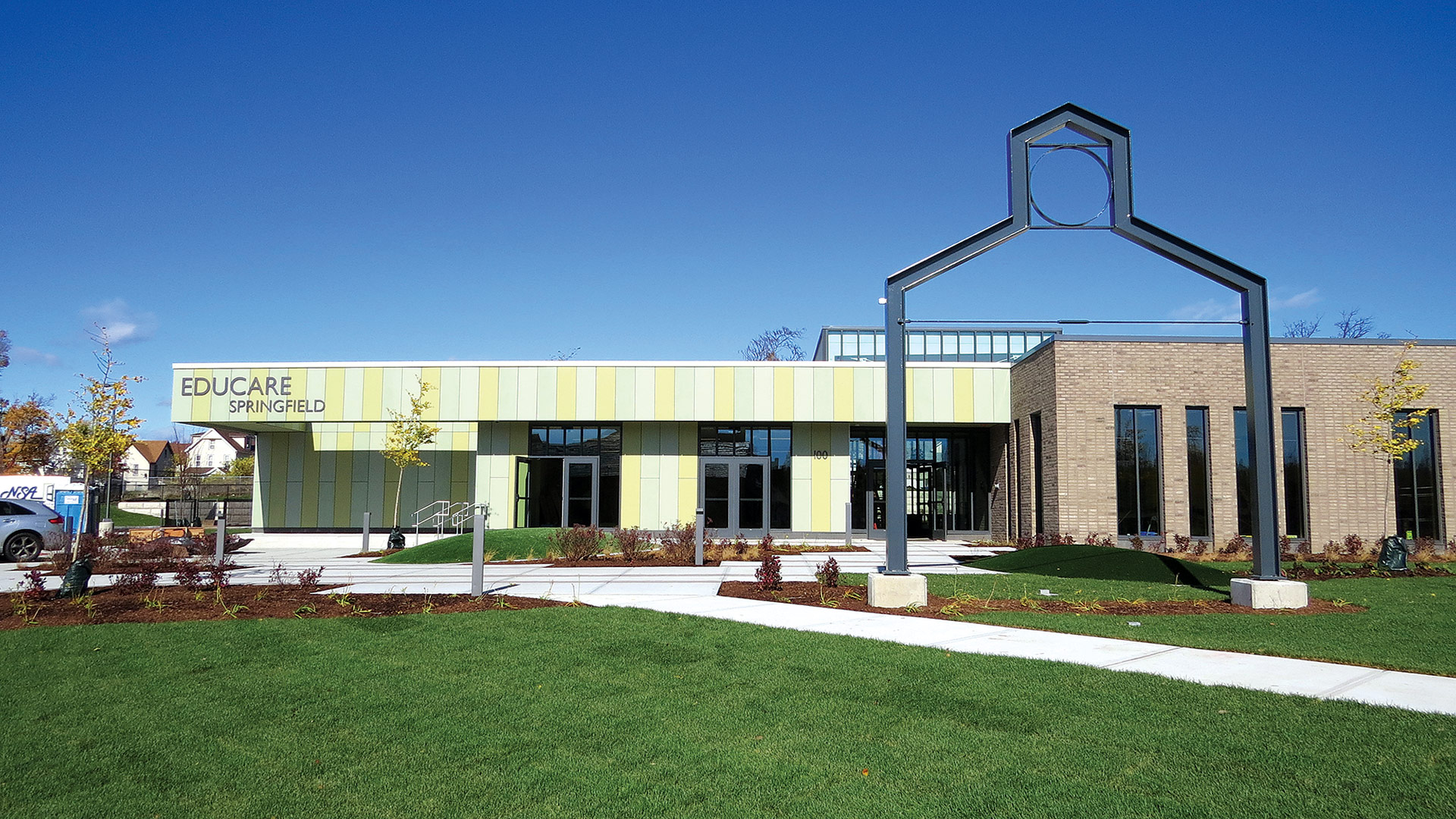
The Educare facility in Springfield is just one of 24 in the country and the only one in Massachusetts.

“Educare is going to be a demonstration site; we’re going to be able to bring in students of education, social work, counseling and therapy, and other areas from across the state and have them observe and learn our model,” she explained. “We understand that 141 children is not every child; however, what we learn here, we’re going to be able to send out — others can do what we’re doing. And on a policy level, it’s my hope that legislators can see the success of this and realize that, when they’re making out the budget, it needs to be funded so everyone can enjoy Educare quality.

“Educare is not going to be on every corner,” she went on. “But that doesn’t mean that the quality of Educare cannot be beneficial to all children.”

For this issue and its focus on education, BusinessWest toured the Educare facility and talked with Burnett and others about what this unique early-education center means for Springfield and especially those young people who walk through its doors.

New School of Thought

Janis Santos, the longtime director of Holyoke Chicopee Springfield Head Start, recalled that, when she toured the Educare facility recently as construction was winding down, she became quite emotional.

“I have to be honest, I started crying,” said Santos, honored roughly a year ago by BusinessWest as one of its Women of Impact for 2018. “One of the construction-crew members said, ‘why are you crying?’ and I said, ‘because I’m so happy.’

“Educare is going to be a demonstration site; we’re going to be able to bring in students of education, social work, counseling and therapy, and other areas from across the state and have them observe and learn our model.”

“This is a dream come true,” she went on, adding that the facility provides dramatic evidence of how far early-childhood education has come during her career — it was considered babysitting when she got her start — and how important it is to the overall development of young people.

Tears of joy have been a common emotional response among those who have toured the site, especially those involved in this initiative from the beginning, but there have been others as well. Indeed, Burnett told BusinessWest, when the staff members assigned to the Educare center visited the well-appointed teachers’ room, many of them started clapping.

These reactions provide ample evidence that the six-year journey to get the facility built and the doors open was certainly time and energy incredibly well-spent.

By now, most are familiar with the story of how an Educare facility — again, one of only 24 in the country — came to be in Springfield. It’s a story laced with serendipity and good fortune at a number of turns.

It begins back in 2014 when an early-childhood center on Katherine Street in Springfield closed down abruptly, leaving more than 100 children without classroom seats, said Walachy, adding that the Davis Foundation began looking at other options for early education in that building.

One of them was Educare, she went on, adding that officials with the Buffett Foundation and other agencies involved, as well as architects, came and looked at the property. They quickly determined that it was not up to the high standards for Educare centers.

“Their model is ‘make it a state-of-the-art, unbelievable building to send a strong message that this is what all kids deserve,’” said Walachy, adding that, after those inspections and being informed that a new facility would have to be built at a cost of more than $12 million, the Educare concept was essentially put on the shelf.

And it stayed there for the better part of two years until an anonymous donor from outside the Bay State who wanted to fund an Educare facility came into the picture.

“This individual pledged to pay for at least half the cost of building an Educare somewhere in the country, and she was willing to do it here in Springfield,” she said, adding that the donor has written checks totaling more than $9 million for both the construction and operation of the facility.

With this commitment, those involved went about raising the balance of the needed funds — the Davis Foundation and another donor committed $2 million each, and state grants as well as New Market Tax Credits were secured, bringing the total raised to more than $20 million — and then clearing what became another significant hurdle, finding a site on which to build.

Indeed, the Educare model is for these facilities to be built adjacent to elementary schools, and in Springfield, that proved a challenging mandate. But the tornado that ravaged the city, and especially the Old Hill area, in 2011, forcing the construction of a new Brookings School, actually provided an answer.

Indeed, land adjacent to the new school owned by Springfield College was heavily damaged by the tornado, making redevelopment a difficult proposition. Thus, the college became an important partner in the project by donating the needed land.

But while it’s been a long, hard fight to get this far, the journey is far from over, said both Burnett and Walachy, noting that another $500,000 must be raised to fund an endowment that will help cover operating expenses at the school.

And raising that money is just one of many responsibilities within Burnett’s lengthy job description, a list that also includes everything from becoming an expert on the Educare model to attending regular meetings of Educare facility directors — there’s one in New Orleans later this year, for example.

At the moment, one of the duties assuming much of her time is acting as a tour guide. She even joked that she hasn’t mastered the art of walking backward while talking with tour participants, but she’s working on it. To date, tours have been given to city officials, funders and potential funders, hired staff members, like those aforementioned teachers, and, yes, members of the media.

BusinessWest took its own tour, one that featured a number of stops, because items pointed out are certainly not typical of those found in traditional early-education centers.

“I literally cannot wait to see the children in there — that will be a special moment.”

Starting with what Burnett and others called the “outside-in” of the building’s design, which, as that phrase indicates, works to bring the outside environment into the school to provide continuity and the sense that the school is part of the larger world. Thus, green, grass-like carpeting was put down in the entranceways, and green carpet prevails pretty much throughout the facility. Meanwhile, the brick façade on the exterior is continued inside the building.

Throughout the building, there are generous amounts of light and state-of-the-art facilities throughout, from the well-equipped play areas inside and out to the two sinks in each of the classrooms — one for food preparation, the other for hand washing — to the restrooms designed especially for small people.

In addition, each classroom is equipped with small viewing areas with one-way mirrors so that so-called ‘master teachers’ and others can see and evaluate what’s happening.

In all, there are 12 classrooms, seven for infants and toddlers and five for preschool. As noted earlier, they will be places of learning, and not just for the students.

Model of Excellence

Returning to that emotional tour of the Educare facility she took a few weeks ago, Santos said that, as joyous and uplifting as it was, she’s looking forward to the next one even more.

“I literally cannot wait to see the children in there — that will be a special moment,” she told BusinessWest, putting almost a half-century of work in early childhood behind those words.

She can’t wait because students will be learning and playing in a facility that really was only a dream a few years ago — a dream that came true.

It’s a facility that those students truly need, but as Burnett and all the others we spoke said, it’s one they deserve — one that all students deserve.
SourceBusiness West

YWCA unveils Under One Roof project

The YWCA cut the ribbon for its “Under One Roof” project on Friday, showing off the extension of its building, containing residential housing and after school programming.

SourceSouth Coast Today