Baker-Polito Administration Awards Funding for Seven Affordable Housing Projects for Vulnerable Communities

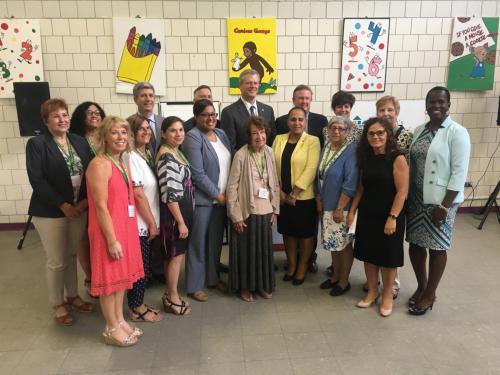
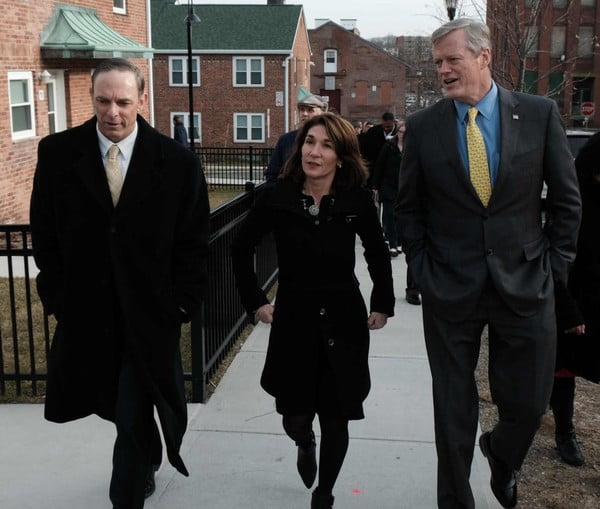
Today, Lt. Governor Karyn Polito joined Worcester City Manager Edward M. Augustus, Senator Harriette L. Chandler, YWCA of Central Massachusetts Executive Director Linda Cavaioli, and local officials to celebrate the production and preservation of 147 units of supportive housing for vulnerable populations, including homeless families and individuals, veterans, survivors of domestic violence, and individuals with disabilities.

Supportive housing provides residents with social and health services, including childcare, job training, case management, healthcare coordination and more. All 147 units are affordable to low and extremely low-income people. Since 2015, the Baker-Polito Administration has supported the preservation and production of hundreds of supportive housing units.

“Our administration firmly believes that affordable housing is fundamental to our success as a Commonwealth and have been pleased to invest over $1 billion in the affordable housing ecosystem over the last four and a half years and propose Housing Choice legislation that would significantly increase housing production throughout the state,” said Governor Charlie Baker. “We are committed to working with our partners in the legislature to give our communities the tools they need to increase housing production to meet the needs of current and future Massachusetts residents, especially the most vulnerable.”

Today’s awards will fund seven projects, supporting the preservation or production of 147 units of housing with $6 million in grant funding, $2.5 million in federal funding and state project-based housing vouchers. Housing will also provide a myriad of social services tailored to the population, including mental health support, childcare, and accessibility.

“Families and individuals deserve access to the stability that permanent housing offers, and we are pleased that this funding will also give our most vulnerable residents, including veterans and survivors of domestic violence, the supportive services they need to thrive in the face of challenges,” said Lt. Governor Karyn Polito. “I’m proud of these efforts to increase the amount of affordable housing for people with the greatest need, and today’s awards are part of a commitment to ensuring Massachusetts is a place where all residents can succeed.”

“We understand the great need for more housing for extremely low-income populations. While there is no one strategy to close the gap, our funding for supportive, permanent housing, is part of the solution, and we are thrilled to support projects across Massachusetts,” said Housing and Economic Development Secretary Mike Kennealy. “We are committed to working with communities and private-sector partners to create pathways to stability for vulnerable populations, through housing, emergency assistance, job training, and social services.”

“Today’s awards will reach families, veterans, survivors of domestic abuse, seniors, and individuals with disabilities in need of reliable, quality housing they can afford,” said Acting Undersecretary of Housing and Community Development Jennifer Maddox. “Our people are our greatest asset, and we will continue to advocate for programming and resources to help residents reach their potential, ensure children have access to permanent housing, and support municipal efforts to create healthy communities.”

“Massachusetts is fortunate in that we have a strong network of non-profit organizations providing quality supportive housing to vulnerable populations throughout the Commonwealth and the kind of public/private infrastructure that helps develop these important projects,” said Roger Herzog, Executive Director of the Community Economic Development Assistance Corporation. “The developments funded today will provide much-needed housing and services to veterans, seniors, survivors of domestic violence, formerly homeless individuals, and more.  CEDAC is honored to work with the Baker-Polito administration, the Department of Housing and Community Development, and our non-profit partners to provide the state bond funds and early stage financing that turns supportive housing projects from an idea into a reality.”

“This incredibly generous award will afford the YWCA Central Massachusetts the opportunity to increase our capacity to serve more women in more effective and efficient space that ultimately helps them achieve independence and economic self-sufficiency,” said Linda Cavaioli, Executive Director of the YWCA of Central Massachusetts.

“I want to thank Governor Baker and Lieutenant Governor Polito for their continued support for Worcester organizations like the YWCA that does invaluable work,” said Worcester Mayor Joseph M. Petty. “Congratulations to Linda Cavaioli and the entire YWCA family on this announcement.  These funds will allow the YWCA to continue and expand the vital work it does every day here in the City of Worcester.”

“Providing supportive housing options to vulnerable populations in our community is a constant priority,” said Worcester City Manager Edward M. Augustus Jr. “We’re excited about the YWCA’s renovation project taking place in the heart of our City and we thank the Baker Polito Administration for their continued investment in producing more supportive housing units across the Commonwealth.”

“The awards that were announced today help communities who need stable housing the most. Stable housing allows people to ground themselves, to build a life, and to grow within their communities,” said Senator Harriette L. Chandler. “I want to thank my housing policy partners in the administration, in the legislature, in local government, and to thank all of the advocates and activists who fight for affordable housing every day.”

“The YWCA of Central Massachusetts continues to empower women and girls to achieve their best,” said Senator Michael O. Moore.  “The renovations made possible through this investment will increase access to many critical programs and services.  Congratulations to the entire team at the YWCA for their ongoing efforts to better the surrounding community, and to provide meaningful opportunities for our neighbors.”

“The YWCA of Central Massachusetts provides our community with valuable housing, education, and health programming,” said Representative Jim O’Day. “Worcester prides itself on investing in programs that support families and foster community, and so I am thrilled to hear of the building renovations, as they expand access to essential services for women and children.”

The Baker-Polito Administration has shown a deep commitment to increasing the production of housing across income levels. Since 2015, the administration has invested more than $1 billion in affordable housing, resulting in the production and preservation of more than 17,000 housing units, including 15,000 affordable units. In 2018, Governor Baker signed the largest housing bond bill in Massachusetts history, committing more than $1.8 billion to the future of affordable housing production and preservation. The Baker-Polito Administration has also advanced the development of more than 11,000 mixed-income housing units through the successful MassWorks Infrastructure Program, reformed the Housing Development Incentive Program, and worked with communities to implement smart-growth development and planning efforts.

###

Award Recipients:

123 Crawford St., Boston

This existing 24-unit Single Room Occupancy (SRO) project for formerly homeless individuals is located in the Trotter Garrison neighborhood of Roxbury. DHCD is awarding funds to the Commonwealth Land Trust to repair and upgrade the building’s envelope and major systems. Two live-in staff and case managers will provide intensive supportive services to a high need target population including individuals with major medical and/or mental health challenges.    

112-116 Emerson St., Haverhill

This existing 21-unit project provides permanent, supportive sober housing for homeless elders and individuals with disabilities at three properties and is owned and operated by Emmaus, Inc. DHCD is supporting the project with MRVP vouchers with supportive service funding. These enhanced vouchers will assist Emmaus in providing robust housing supports to both CSPECH and non-CSPECH eligible residents.     

Opening Doors, Lowell

Alternative House provides emergency shelter, transitional and permanent housing to survivors of DV. DHCD’s capital funds will finance the construction of a new eight-unit DV shelter that will accommodate eight women and up to 14 children. Their existing shelter, an aging single-family home, will be sold and the sales proceeds will help defray the cost of the new building.

420, 423, and 445 Broadway, Lowell

This existing 29-unit project consists of three multi-family properties on Broadway in Lowell. DHCD’s funding will allow Common Ground Development Corporation, an affiliate of Community Teamwork, Inc., to undertake exterior improvements to all three buildings, and convert two standard units into accessible units for residents with mobility impairments.  

2033 Ocean St., Marshfield

Marshfield Veterans House will provide supportive housing for eight homeless veterans. With DHCD’s financial support, Neighborworks Southern Massachusetts will convert a town-owned historic property into eight studios and a small archive room for the local historical society. Father Bill’s & MainSpring will provide comprehensive supportive services to the residents.   

26 Moulton St., Randolph

Father Bill’s & MainSpring developed a partnership with Envision Bank to construct 10 studio apartments for homeless veterans on a vacant parcel behind the bank. DHCD will provide state and federal funds to finance the construction. In addition to the land, the bank is providing grant funding. 

One Salem Square, Worcester

The YWCA of Central Massachusetts is renovating its main building in downtown Worcester including an existing SRO program for women, 12 child care classrooms, and its health and fitness program areas. DHCD funds will allow the YWCA to renovate 41 existing SROs and add six more rooms, for a total of 47 units. The organization has undertaken a capital campaign to renovate the non-residential portions of the building.

###
SourceOffice of Governor Charlie Baker and Lt. Governor Karyn Polito

Baker-Polito Administration Advances New Affordable Housing Production Throughout Commonwealth

Today, Lt. Governor Karyn Polito, Housing and Economic Development Secretary Mike Kennealy, and Housing and Community Development Undersecretary Janelle Chan joined Worcester City Manager Edward M. Augustus Jr., Senator Harriette Chandler, Representative Mary Keefe and local leaders and developers to announce affordable housing awards to support the creation of 643 new rental housing units, including 397 units of affordable housing.

The awards represent an investment by the administration through more than $45 million in direct subsidy, and the allocation of more than $22 million in state and federal low-income housing tax credits. The announcement took place at the former Worcester Courthouse, a development that will benefit from state funding announced today, and will be revitalized and transformed into 117 new, mixed-income housing units.

“We will continue investing in the production and preservation of affordable housing here in Massachusetts to meet the needs of residents across the income spectrum and support the continued growth of our economy,” said Governor Charlie Baker. “Since 2015, we’ve infused more than $1 billion in the affordable housing ecosystem, from new production to the rehabilitation of existing private and public housing stock, and we look forward to working with our partners in the Legislature to pass our Housing Choice Legislation into law, which will help communities advance new housing production and facilitate long-term, forward-thinking planning.”

“It is inspiring to see the historic Worcester Courthouse receive new life with today’s awards, and our administration is pleased to support innovative and adaptive housing projects like this that transform a property to meet the needs of cities and towns across the state,” said Lt. Governor Karyn Polito. “New, affordable rental housing provides families and residents with not only a home, but with stability in their community, and a foundation from which to thrive, and we will continue to invest in affordable, quality housing options for all.”

“Our strong economy and high quality of life here in Massachusetts continues to attract new residents in cities and towns throughout the Commonwealth, and it is crucial that we have a healthy supply of housing affordable to all families,” said Housing and Economic Development Secretary Mike Kennealy. “Today’s awards represent an important component of our strategy to encourage housing development in our diverse cities and towns, complementing other programs that help advance housing production – such as MassWorks Infrastructure Awards, the Housing Development Incentive Program, Open for Business, and our Housing Choice Initiative – to support smart, forward-thinking housing development.”

“When our families are stable, so are our communities. Neighborhoods with housing that is affordable to a wide range of incomes can build and preserve inclusive communities,” said Housing and Community Development Undersecretary Janelle Chan. “These nine projects will bring substantial new housing to neighborhoods across Massachusetts, and we are proud to increase the number of opportunities throughout the year for projects to receive funding and tax credit allocations from the Department of Housing and Community Development. We look forward to celebrating more milestones, and welcoming residents to their new homes.”

Yesterday, Governor Baker and Lt. Governor Polito announced the refiling of Housing Choice legislation, originally submitted to the Legislature last session to better facilitate the production of housing in every region of the state. The legislation, which complements the Governor’s Housing Choice Initiative, will deliver targeted zoning reform related to housing. The legislation lowers the voting threshold for cities and towns from a supermajority to a simple majority to adopt certain, housing related zoning changes.

“I want to thank Governor Baker and Lieutenant Governor Polito for their continued support of economic development in the City of Worcester and the revitalization of Lincoln Square,” said Worcester Mayor Joseph M. Petty. “The old courthouse is truly one of the most anticipated projects currently under construction in Worcester and I look forward to the great work Trinity is doing here.  With rentals being offered at five different income levels this is truly a mixed income community that will help anchor future development of north Main Street.”

“The Worcester Courthouse Apartments project is a historic rehabilitation that will transform one of the city’s architectural gems into 47 affordable rental units as well as 70 units at workforce and market rate rents,” said Worcester City Manager Edward M. Augustus Jr. “We’re grateful for the continued support of the Baker-Polito Administration in making affordable housing a priority in Worcester and throughout the Commonwealth.”

“Having a place to call home should be more than just a hopeful aspiration. Rich or poor, we must ensure that everyone in the Commonwealth has a place to live. I am happy that this funding has been secured to ensure affordable housing in Worcester and Central Massachusetts,” said Senator Harriette L. Chandler.

“This apartment project is going to have significant impact and create big change, not only in the southwest corner of Lincoln Square, but also on the Cultural District and the North end of Main Street,” said Representative Mary Keefe. “However, while we dream of what’s to come, I am really happy to see us look to our past to appreciate the historic significance of this building and area, and that we’re inviting the public ‘in’ to celebrate and share.”

“We are thrilled to receive this award and are grateful for the support of Lieutenant Governor Polito, Senator Chandler, Representative Keefe, and the City of Worcester,” said Trinity Financial principal and co-founder Patrick Lee. “This will be an important piece of Worcester’s ongoing revitalization and will help create new mixed-income homes while bringing this historic building back to life.”

The Baker-Polito Administration has shown a deep commitment to increasing the production of housing across income levels. Since 2015, the administration has invested more than $1 billion in affordable housing, resulting in the production and preservation of more than 17,000 housing units, including 15,000 affordable units. In 2018, Governor Baker signed the largest housing bond bill in Massachusetts history, committing more than $1.8 billion to the future of affordable housing production and preservation. The Baker-Polito Administration has also advanced the development of more than 7,000 mixed-income housing units through the successful MassWorks Infrastructure Program, reformed the Housing Development Incentive Program, and worked with communities to implement smart-growth development and planning efforts.

###

Affordable Housing Awards:


Downing Square, Arlington

This 48-unit new construction project is located on two sites in Arlington. The sponsor is the non-profit Housing Corporation of Arlington. DHCD is providing federal and state low income housing tax credits and subsidy funds in support of the project and the Town of Arlington is also supporting the project with significant local funding. When completed, Downing Square will offer 48 affordable family rental units.

Cote Village, Boston

A two-phase, 76-unit new construction project located on the former Cote Ford site in Boston is sponsored by the non-profit Caribbean Integration Community Development Corporation and the Planning Office of the Archdiocese of Boston. DHCD is supporting both phases of the transit-oriented project with a blend of federal and state low income housing tax credits and subsidy funds and the City of Boston also is providing funds in support of Cote Village. When completed, the project will offer 57 affordable rental units for families as well as 19 workforce or market rate units.

Indigo Block, Boston

Indigo Block is an 80-unit new construction project located in Boston. The non-profit sponsor is Escazu Development. DHCD is supporting the project with federal and state low income housing tax credits and subsidy funds, and the City of Boston also is providing substantial support for Indigo Block. When completed, the project will offer 44 affordable family rental units as well as 36 workforce or market rate rental units on a transit-oriented site.

Michael Haynes Arms, Boston

This 55-unit new construction project located in Boston is sponsored by Cruz Development Corporation. DHCD is supporting the project with federal and state low income housing tax credits as well as subsidy funds.  The City of Boston also is supporting Michael Haynes Arms with local funding. When completed, the project will offer 39 affordable rental units as well as 16 workforce or market rate rental units.

Library Commons, Holyoke

The project is a 38-unit scattered site project located in Holyoke, sponsored by the non-profit Way Finders, Inc. DHCD is supporting the project with federal and state low income housing tax credits and subsidy funds, and the City of Holyoke also is providing support to Library Commons. When completed, the project will offer 38 affordable rental units for families.

Parcels 8 and 9, Lowell

This project is a mixed-income historic rehabilitation project located in Lowell, sponsored by WinnDevelopment.  DHCD is supporting the project with federal and state low income housing tax credits and subsidy funds. The City of Lowell also is providing support to Parcels 8 and 9 through local funding.  When completed, the project will offer 32 affordable rental units as well as 86 workforce or market rate rental units.

571 Revere, Revere

The development is a 51-unit mixed-income new construction project located in Revere.  The sponsor is the non-profit The Neighborhood Developers. DHCD is supporting the project with federal and state low income housing tax credits as well as subsidy funds.  The City of Revere also is supporting the project with local funding.  When completed, the project will offer 32 affordable rental units and 19 workforce rental units.

Mason Square, Springfield

Mason Square is a 60-unit project located in Springfield. The sponsor is First Resource Development. DHCD is supporting the project with federal and state low income housing tax credits and subsidy funds.  The City of Springfield also is supporting the project with local funding. When completed, Mason Square will offer 60 affordable rental units for families, including several units in the historic re-use of a former fire station.

Worcester Courthouse Apartments, Worcester

The 117-unit historic rehabilitation project located in Worcester is sponsored by is Trinity Financial, Inc. DHCD is supporting the project with federal and state low income housing tax credits and subsidy funds. The City of Worcester also is supporting the project with local funding, re-zoned the site, and has helped expedite the permitting process. When completed, Worcester Courthouse Apartments will offer 50 affordable rental units for families as well as 67 units at workforce or market rate rents.

###

SourceOffice of Governor Charlie Baker and Lt. Governor Karyn Polito

Massachusetts Gov. Charlie Baker, Lt. Gov. Karyn Polito ‘Focus on Housing’ during Holyoke visit

Gov. Charlie Baker and Lt. Gov. Karyn Polito stressed a “Focus on Housing” in Massachusetts during a tour Friday of Lyman Terrace, a 167-unit complex undergoing a $60 million transformation.

Baker and Polito crossed the state a day after the start of their second term in office. Baker and his team made stops in Lee, Springfield, Worcester and the one-hour appearance in Holyoke.

Lyman Terrace, built as Depression era housing in 1939, nearly faced the wrecking ball only a few years back. Tenants, local groups and city government opposed the demolition scheme, favoring a wholesale renovation of the then cramped, below standard apartments.

The Holyoke Housing Authority owns and operates Lyman Terrace, located a short walk from City Hall.

Baker said the state continues to fall short in meeting future housing needs. He visited Lyman Terrace in the summer of 2015. “The road and the journey to get to this point is a long and difficult one,” he said.

The governor said the project experienced “fits and starts,” delays and rejiggering the final vision for Lyman Terrace. “We don’t invest in things we don’t think are going to be successful,” he said.

Baker said his administration examines a project’s worthiness, the team in place and if there is widespread support. “I don’t want to make empty promises. I don’t want us to engage in commitments we can’t deliver on,” he said.

He wants to ensure projects like Lyman Terrace are fully funded and ready to commence.

“This was an important stop for the both of us,” Baker said. “It reflects a lot of key issues and opportunities associated with not only the way we think about housing but the way we think about community building, community development, and partnerships and possibilities.”

Baker called for passage of a new housing bill in the current term. “We in Massachusetts struggle to build housing. We just do,” he said. “Some of it’s the way the game is played. Some of it’s the way the rules are set up. Some of it’s we don’t appreciate the holistic issues that are at play here.”

The governor wants more cooperation in meeting the housing needs for future generations. “If we don’t, the supply we have is never going make it,” he said.

Polito wanted to highlight the impacts housing and economic and community development have on a community. She said the city partnered with state agencies and local nonprofits to make the Lyman Terrace renovations possible.

Matthew A. Mainville, the Holyoke Housing Authority executive director, led Baker, Polito and state housing officials on the tour, which included viewing a pre-renovated unit in need of serious repair and a newly renovated apartment occupied by Sonia Gonzalez, a longtime resident who led the effort to save Lyman Terrace.

Mainville said 88 of the 167 one-and-two bedrooms apartments are reoccupied. The apartments contain new kitchen appliances, wood-laminated floors, washers and dryers, updated bathrooms, energy-efficient windows and more secure doors.

A series of federal and state housing grants and tax credits support the project, including grants from MassWorks. The housing authority obtained an additional $20 million in funding to build a community center at Lyman Terrace.

Mainville said the administration is a model for bipartisan cooperation, which their “federal counterparts could learn from.” He said the Baker-Polito Administration identifies critical issues germane to Massachusetts, such as housing, education, and economic development

“The Baker-Polito Administration understands that without good housing, achieving one’s goals becomes infinitely more difficult,” Mainville said. Without good housing, succeeding in school, living a healthy lifestyle or obtaining gainful employment is nearly impossible.”

In 2018, the Baker Administration pushed and secured a $1.8 billion affordable housing bond, the largest in the commonwealth’s history. The state allocated $600 million for public housing modernization and redevelopment, which included a boost in housing subsidies.

Mainville said Lyman Terrace represents the positive effect such funding has on a community. He said the complex now offers stable housing for residents.

The Holyoke Housing Authority partnered with Community Builders, a Northampton nonprofit, on the Lyman Terrace project.

Housing authority commissioners, state Rep. Aaron Vega, D-Holyoke, and Marcos Marrero, the director of the Holyoke Economic and Planning Department, were in attendance.

SourceMassLive

Space matters: Massachusetts invests in improving early education buildings and facilities

This summer, Massachusetts awarded $4 million in grants to help early education and after-school programs improve their physical spaces. The money comes from the Early Education and Care and Out of School Time (EEOST) Capital Fund, which was created by the state Legislature.

As we’ve blogged before, engaging classrooms, lively safe playgrounds, and well-designed bathrooms are some of the key features that create nurturing environments for young children.

But programs often can’t afford the costs of badly needed construction and renovations. That’s why these capital improvement funds are so important.

In a statement, Governor Charlie Baker said, “Renovating and repairing facilities helps achieve our goal of improving the quality of early education and care.”

Massachusetts’ Secretary of Education James Peyser said. “We know that building deficiencies impact the quality of teaching and learning in early childhood and out-of-school time facilities. These grants were created to help non-profit providers serving children living in low-income communities improve their facilities.”

Administered by the Children’s Investment Fund, an affiliate of CEDAC (the Community Economic Development Assistance Corporation), the grant funds were given to four organizations:

Citizens for Citizens, Fall River, $1 million

The funds will pay for “playground improvements, window replacements, and critical safety and security upgrades to an existing Head Start program in a 118-year-old building,” according to the Children’s Investment Fund.

Crispus Attucks Children’s Center, Dorchester, $1 million

The center “will replace the HVAC system and make building envelope upgrades. It also plans to improve the design of its infant area and reconfigure toddler classrooms.

Elizabeth Stone House, Roxbury, $1 million

The funds will be used to build “a 5-story multi-service building which will include 32 units of affordable housing and a licensed early childhood education (ECE) program serving 51 children.”

Holyoke-Chicopee-Springfield Head Start, Springfield, $1 million

Head Start officials plan to build “an Educare model facility for 141 ECE children.”

All four organizations “serve publicly subsidized families, have demonstrated financial need, and have secured additional funding to pay for a portion of their project costs,” the statement from Governor Baker’s office explains.

The benefits of these efforts will be substantial. As Lieutenant Governor Karyn Polito explained, “High-quality programs help young children develop healthy learning habits, which is good for the community and for our Commonwealth as a whole.”

And as Tom Weber, commissioner of the Department of Early Education and Care, adds, “We are pleased to make these awards as this public investment in building construction and renovation of early education programs will benefit children, local communities, and the state for years to come.”

SourceEye on Early Education

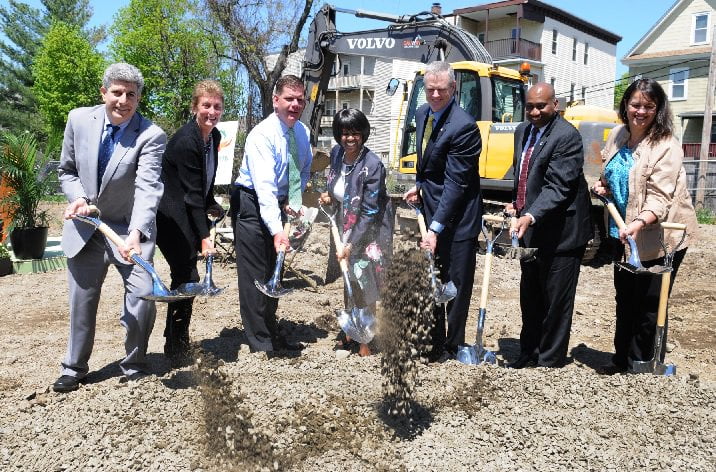
Springfield breaks ground on $14 million Educare early education facility

Local, city and state leaders joined early education advocates, and others Monday to officially break ground on Educare Springfield, a nationally recognized school model that is among just 24 of its kind in the country.

Lt. Gov. Karyn Polito, Springfield Mayor Domenic Sarno and project leaders gathered at a construction site on Hickory Street to celebrate the project’s groundbreaking and reflect on the seven years of work that went in to bringing the nearly $14 million facility to the city.

John Davis, a trustee of The Irene E. & George A. Davis Foundation which helped lead the effort to bring Educare to Springfield, said the new school will provide “an incredible opportunity for Springfield’s youngest citizens.

“Educare Springfield: It’s here,” he said. “This is a clear demonstration that we are investing in the education of the children beginning at birth.”

Polito praised local leaders and partners for their “incredible” work in attracting Educare to Springfield, particularly to a part of the city ravaged by the 2011 tornado.

“What you’re doing is rebuilding this neighborhood. Because these are children who are born here, literally, starting their education here and then being part — eventually, the hope is — of the workforce that will then become employed here in this neighborhood or nearby,” she said. “And then lay their own roots and create the next generation of talent, of leaders — really bringing this city forward to where we all know it could be.”

Polito said it’s “quite an honor” to partner with the city on effort.

Sarno welcomed Educare to Springfield, calling the project a “win-win opportunity” for the city.

“Educare is a significant investment here in the city of Springfield and it’s another public and private partnership, with everybody working together for the same goal for our children,” he said. “Giving them this foundation is going to allow them and their families to be able to avoid poverty, to avoid public safety issues — you just can’t put a price tag on that.”

Mary Walachy, executive director of the Irene E. & George A. Davis Foundation, said while officials had walked away from the project at one point out of cost concerns, they received $9.6 million in funding from an anonymous, out-of-state donor.

The project also received about $3.5 million in New Markets Tax Credits, a $1 million Early Education and Out of School Time grant and a $1 million MassWorks grant for public infrastructure work, as well as private and corporate support, Walachy said.

In addition to money raised for the project, she noted that officials have set aside $7 million for an endowment to support the school’s operating expenses.

“At the end of the day, what matters is what happens in this building. What matters is that we make good on our promise to the children that you were able to see today and their families, and many others who will be in this building,” she said. “This is going to be Head Start on steroids.”

Educare Springfield, which is slated to open in late 2019 on land provided by Springfield College adjacent to Brookings School, will offer local students an early education model that aims to narrow the achievement gap for children living in poverty. It will provide a full-day and full-year program for up to 141 children from birth to age five each year.

The Educare model incorporates embedded and ongoing professional development of teachers, intensive family engagement and high quality teaching practices, as well as uses data to advance student outcomes.

Educare, a national collaboration between the Buffett Early Childhood Fund, Ounce of Prevention Fund and other public-private partnerships across the country, has 23 schools located in 15 states and the District of Columbia.

SourceMassLive

Baker-Polito Administration Awards $4 Million for Early Education Programs

The Baker-Polito Administration and the Community Economic Development Assistance Corporation (CEDAC) today announced $4 million in grant awards for facility improvements at early education and care programs that serve low income children.  Four agencies were selected to receive an Early Education and Care and Out of School Time (EEOST) capital improvement grant, which will help increase the quality of their early education programs through critical facility repairs and renovations.

Governor Charlie Baker made the announcement today at the Crispus Attucks Children’s Center in Dorchester, the site of one of the facilities funded by the 2018 grant awards.

“With these grants, we will improve the learning environments of our youngest children, boost the capacity of programs to serve more children and create new jobs,” Governor Charlie Baker said.  “Renovating and repairing facilities helps achieve our goal of improving the quality of early education and care.”

“These capital improvement grants support facility construction and renovations that modernize early education spaces and provide more enriching environments for children,” Lt. Governor Karyn Polito said. “High-quality programs help young children develop healthy learning habits, which is good for the community and for our Commonwealth as a whole.”

“We know that building deficiencies impact the quality of teaching and learning in early childhood and out-of-school time facilities,” Education Secretary James Peyser said. “These grants were created to help non-profit providers serving children living in low-income communities improve their facilities.”

The Early Education and Care and Out of School Time capital improvement grants are financed through the state’s capital budget and provide matching funds that leverage private investment.  The Baker-Polito Administration’s FY18 Capital Budget Plan included $4 million for the Early Education and Out of School Time grant program.  In May, Governor Baker signed An Act Financing the Production and Preservation of Housing for Low and Moderate Income Residents (H.4536), which authorized $45 million for the EEOST Capital Fund.

“The EEOST capital improvement grants provide critical funding for non-profit early education programs to upgrade their facility spaces and provide better physical environments for the children they serve,” Early Education and Care Commissioner Tom Weber said.  “We are pleased to make these awards as this public investment in building construction and renovation of early education programs will benefit children, local communities, and the state for years to come.”

“The EEOST Capital Fund is helping providers create well-designed facilities that support children’s healthy development and learning, and the commitment and effectiveness of educators,” said Theresa Jordan, Director of Children’s Facilities Finance of Children’s Investment Fund. “Over time, this innovative capital resource has the potential to transform the early care and education and out-of-school time landscape for the neediest and most vulnerable children in the Commonwealth.”

The following organizations received grants:

Lead Agency Service Area Award
Citizens for Citizens Fall River $1,000,000
Crispus Attucks Children’s Center Dorchester $1,000,000
Elizabeth Stone House Roxbury $1,000,000
Holyoke-Chicopee-Springfield Head Start Springfield $1,000,000

“All of us at Crispus Attucks Children’s Center are grateful, excited and humbled to be receiving generous and much-needed funding from the Department of Early Education and Care,” said Maritza Juliao, Executive Director of Crispus Attucks Children’s Center.  “For nearly fifty years, Crispus Attucks has been providing quality early childhood education at an affordable price to some of Boston’s most vulnerable children and families.  Our facilities are in critical need of upgrades and improvements so that we may sustain our mission, and this grant will enable us to give our buildings the attention they need so that we as educators can focus our attention on our dearest assets: the children and families we serve.”

All of the programs selected to receive a grant award serve publicly subsidized families, have demonstrated financial need, and have secured additional funding to pay for a portion of their project costs.  The Department of Early Education and Care partnered with CEDAC’s affiliate, the Children’s Investment Fund, to administer the grant awards.  All of the grantees are non-profit corporations or organizations in which a non-profit corporation has a controlling interest.

###

SourceGovernor's Office

Baker-Polito Administration Announces $57 Million to Support Affordable Housing Development Across Commonwealth

Administration also allocated $33 million in tax credits to support creation and preservation of nearly 1,500 housing units

DORCHESTER — Today, Governor Charlie Baker announced this year’s affordable rental housing awards, which will provide $57 million in direct subsidies for 19 projects to fund the development, renovation and preservation of housing opportunities throughout the state. Since 2015, affordable housing awards have led to the creation and preservation of more than 6,300 housing units alone, furthering the Baker-Polito Administration’s commitment to increasing access to affordable and middle-income housing in every region of the Commonwealth.

“These rental housing awards support our Administration’s commitment to create more housing opportunities in neighborhoods across Massachusetts,” said Governor Charlie Baker. “We have also drafted legislation to develop 135,000 units of new housing by 2025 that has been endorsed by several businesses, local officials, trade organizations and community groups, and encourage the Legislature to pass this bill to build more affordable housing and support economic development in every zip code.”

The $57 million in state funding will support affordable, multifamily rental projects. Funding sources include federal HOME funds and state bond funds from six capital bond accounts. Additionally, the Department of Housing and Community Development (DHCD) is awarding $33.5 million in federal and state housing tax credits which will generate more than $240 million in equity to support the construction and preservation of 1,463 units, including 1,312 affordable units with 227 units reserved for very low-income households. Funded projects include six developments for seniors, three projects that will support substantial renovations of public housing developments, and four transit-oriented developments. Many include housing units reserved for formerly homeless families and individuals.

“The diverse array of awards represents the varied needs of our Commonwealth, and we are thrilled to support 19 high-impact projects that will provide much-need new housing, and maintain our current stock of affordable housing,” said Lt. Governor Karyn Polito. “We are proud to partner with many cities and towns, including the 69 Housing Choice Communities we designated in May, that have a keen understanding of their specific housing needs, and we are pleased to support locally driven projects to meet the needs of Massachusetts residents.”

Governor Baker joined Housing and Community Development Undersecretary Janelle Chan, City of Boston’s Chief of Housing and Director of Neighborhood Development Sheila Dillon, Representative Russell Holmes, Hearth President & CEO Mark Hinderlie, and local officials at the future site of Hearth at Four Corners, a 54-unit, new construction project for seniors. The development, in Boston’s Dorchester neighborhood, will be entirely affordable, with 19 units reserved for extremely low-income seniors, and provide extensive supportive services for tenants. The project received state and federal tax credits and direct subsidies from the state, along with funding from the City of Boston.

“More people are currently employed in Massachusetts than at any point in our history, and we need a housing market that can support working families at all income levels so that they can fully participate in this economy,” said Housing and Economic Development Secretary Jay Ash. “Today’s awards help increase options for families to access safe, affordable, and stable housing, a critical foundation for success and prosperity, both for themselves and for our communities.”

“Across our Commonwealth, more and more young families are finding they are not able to put down roots, seniors are not able to age in their communities, and hard-working residents are spending more of their paychecks and precious time traveling further to get to their jobs,” said Housing and Community Development Undersecretary Janelle Chan.  “Today’s awards will enable communities to grow with their residents, and be a part of a state-wide and regional response to the affordable housing crisis.”

“Our state like most states in the nation is in the midst of a housing shortage,” said Senator Nick Collins. “Now, more than ever, government and its partners need to continue their commitment to supplying the demand for housing that is affordable. Today’s announcement is one example of that commitment and I look forward to continuing to help provide individuals and families with supportive services as well as housing opportunities that they can afford,” concluded Senator Collins.

“Thank you to the Baker-Polito Administration for making housing a priority, and funding this important project in Dorchester,” said Representative Russell Holmes.“This project will create vital senior housing, and transform a vacant lot into a necessary resource for this neighborhood.”

This year’s affordable rental housing awards continue to advance the Baker-Polito Administration’s commitment to substantially increasing housing production throughout the Commonwealth, with an emphasis on housing affordable to low- and middle-income households. Since 2015, the administration has spent or committed more than $880 million for the production and preservation of affordable housing. In May, Governor Baker signed a $1.8 billion affordable housing bill to ensure long-term support for the Baker-Polito Administration’s comprehensive efforts to increase the production of affordable housing, diversify the state’s housing portfolio, modernize public housing, preserve the affordability of existing housing and invest in new, innovative solutions to address Massachusetts’ rising demand for housing.

In December 2017, Governor Baker announced the Housing Choice Initiative, a comprehensive proposal to create 135,000 new housing units by 2025 with new set of incentives and rewards for municipalities committed to sustainable housing growth in their communities. The Housing Choice Initiative is a multi-pronged effort that includes a program to designate Housing Choice municipalities and new technical assistance opportunities through MassHousing, in addition to proposed legislative changes that will help deliver smart, effective zoning at the local level. The legislation,An Act to Promote Housing Choice is currently pending before the legislature.

Additionally, the highly effective MassWorks Infrastructure Program continues to be a key catalyst for housing production, supporting the creation of more than 3,000 housing units. The Open for Business Initiative will drive the production of more than 2,200 units of housing on state land. MassHousing’s $100 million Workforce Housing Initiative has advanced the development of 2,374 housing units across a range of incomes, including 631 workforce housing units. And, the Baker-Polito Administration reformed the Housing Development Incentive Program, which is on track to facilitate more than 900 new units in Gateway Cities.

Awardees:

Robert Hill Way (Ashland) is a 64-unit new construction senior housing project. The sponsor is E.A. Fish. All 64 units will be affordable to low-income seniors, with 7 units reserved for extremely low-income seniors with incomes below 30% of Area Median Income (AMI), and supportive services will be offered at the completed project. DHCD will support the project with Low Income Housing Tax Credits and subsidy funds.

25 Amory Street (Boston) is a 44-unit new construction project to be located near the Jackson Square MBTA station in Jamaica Plain, Boston. The sponsor is the non-profit Jamaica Plain NDC. All 44 units will be affordable to households earning less than 60% of AMI, with 14 units further restricted for households earning less than 30% of AMI and making the transition from homelessness. DHCD will support this transit-oriented project with Low Income Housing Tax Credits and subsidy funds; the City of Boston also will provide additional financial support to the project.

Four Corners (Boston) is a 31-unit new construction project to be built in Dorchester, Boston. The sponsor is the non-profit Codman Square Development Corporation. All 31 units will be affordable to households earning less than 60% of AMI, with 8 units further restricted for households earning less than 30% of AMI and making the transition from homelessness.  DHCD will support this transit-oriented project with Low Income Housing Tax Credits and subsidy funds; the City of Boston also will support the project with subsidy funds.

Hearth at Four Corners (Boston) is a 54-unit new construction project for seniors to be built in Dorchester, Boston, sponsored by the non-profit Hearth. All 54 units will be affordable to low-income seniors, with 19 units reserved for extremely low-income seniors with incomes below 30% of AMI. Hearth will provide extensive services at the completed project to support tenants. DHCD will support Hearth at Four Corners with Low Income Housing Tax Credits and subsidy funds; the City of Boston also will provide the project with additional subsidy funds.

Old Colony Phase 3A – Award 1 (Boston) is one of the next phases in the decade-long redevelopment of public housing located in South Boston. The sponsor is Beacon Communities. This phase contains 108 units reserved for households earning less than 60% of AMI, with 11 units further reserved for households earning less than 30% of AMI. DHCD will support this phase with Low Income Housing Tax Credits and subsidy funds. The City of Boston will also provide support for this phase.

Old Colony Phase 3A – Award 2 (Boston) is another phase in the ongoing redevelopment public housing project located in South Boston. The sponsor is Beacon Communities. This phase contains 27 units reserved for households earning less than 60% of AMI, with three units reserved for households earning less than 30% of AMI. DHCD will support this phase with Low Income Housing Tax Credits. The City of Boston is providing additional support for this phase of the project.

Downtown Brockton TOD (Brockton) is a 48-unit new construction project for families to be built in Brockton. The sponsor is the non-profit NeighborWorks of Southern Massachusetts. The completed project will create 30 units reserved for households earning less than 60% of AMI as well as 18 units restricted for households earning less than 110% of AMI. DHCD will support this transit-oriented project with Low Income Housing Tax Credits and subsidy funds. The City of Brockton is supporting the project with additional funding.

370 Harvard Street (Brookline) is a 62-unit new construction senior project to be built in the Coolidge Corner neighborhood of Brookline. The sponsor is Jewish Community Housing for the Elderly (JCHE).   The completed project will include 57 units reserved for seniors earning less than 60% of AMI, with 16 units reserved for extremely low-income seniors with incomes below 30% AMI. JCHE also will make extensive services available to the tenants of Harvard Street. DHCD will support the project with Low Income Housing Tax Credits; the Town of Brookline will support Harvard Street with local funds.

Frost Terrace (Cambridge) is a transit-oriented new construction project for families. The sponsor is Capstone Communities. This 40-unit project will be built one block away from the Porter Square MBTA/commuter rail station with retail and service opportunities available in the immediate neighborhood. All 40 units will be affordable to households earning less than 60% of AMI, with four units reserved for households earning less than 30% of AMI. DHCD will support the project with Low Income Housing Tax Credits and subsidy funds.  The City of Cambridge will provide additional funding through city trust funds.

Squirrelwood (Cambridge) is an 88-unit family project featuring the preservation of existing affordable units as well as the construction of new units. The sponsor is the non-profit Just-A-Start. The completed project will offer 78 affordable units, including eight units restricted for households earning less than 30% of AMI. Squirrelwood originally was financed by MassHousing through the Chapter 13A program.  DHCD will support the project with Low Income Housing Tax Credits.  The City of Cambridge will support the project with additional funding.

Little Pond Place (Falmouth) is a 40-unit new construction project for families in Falmouth. The sponsor is Affirmative Investments. All 40 units will be restricted for households earning less than 60% of AMI, with four units restricted for households earning less than 30% of AMI. DHCD will support Little Pond Place with Low Income Housing Tax Credits and subsidy funds.  The Town of Falmouth also will support the project with $750,000 in Community Preservation Act funds.

Shirley Commons (Fort Devens) is a 58-unit new construction project for seniors to be built on the Fort Devens site.  The sponsor is the non-profit Women’s Institute for Housing and Economic Development. All 58 units will be restricted for seniors earning less than 60% of AMI, with 15 units restricted for seniors earning less than 30% of AMI. DHCD will support Shirley Commons with Low Income Housing Tax Credits and subsidy funds. The sponsor will offer support services for the tenants.

Bentley Apartments (Great Barrington) is a 45-unit new construction project for families in Great Barrington. The sponsor is the non-profit Community Development Corporation of South Berkshire. All 45 units in the completed project will be reserved for households earning less than 60% of AMI, with 21 units reserved for households earning less than 30% of AMI. DHCD will support Bentley Apartments with Low Income Housing Tax Credits and subsidy funds. The Town of Great Barrington will provide additional Community Preservation Act funds to the project.

Lyman Terrace Phase II (Holyoke) is the second phase of the comprehensive redevelopment of the Lyman Terrace public housing development in Holyoke. The sponsor is the non-profit The Community Builders (TCB). The completed project will offer 79 units of family housing reserved for households earning less than 60% of AMI, with 16 units reserved for households earning less than 30% of AMI. DHCD will support this phase of Lyman Terrace with Low Income Housing Tax Credits and subsidy funds. The Baker-Polito Administration has previously supporting the redevelopment through affordable housing awards and the MassWorks Infrastructure Program. The City of Holyoke will provide additional subsidy to the project.

Sargent House Expansion (Northhampton) is a blended preservation and production project located on the edge of Northampton’s vibrant downtown business district. The sponsor is the non-profit Valley Community Development Corporation. The completed project will feature 31 total units. All units will be affordable to individuals earning less than 60% of AMI, with 10 units reserved for individuals earning less than 30% of AMI. Many tenants at Sargent House previously were homeless; Valley CDC will provide supportive services appropriate for the existing and new tenants. DHCD will support the project with Low Income Housing Tax Credits and subsidy funds. The City of Northampton also will support the project with some of its own funds.

24 Gould Street (Reading) is a 55-unit new construction mixed income project to be built in in Reading’s Chapter 40R district. The project sponsor is the Traggorth Companies. The project will be built at a major intersection in Reading’s central business district. When completed, 24 Gould Street will offer 14 affordable units as well as 41 market rate units. DHCD will support 24 Gould Street with subsidy funds. The Town of Reading also will provide financial support for the project.

Lydia Square Apartments (Rockland) is a 44-unit new construction project for seniors in Rockland. The sponsor is NewGate Housing. All 44 units will be restricted for seniors earning less than 60% of AMI, with 9 units reserved for seniors with incomes below 30% AMI. The sponsor will provide support services at the project as well as transportation to a nearby senior center. DHCD will support Lydia Square with Low Income Housing Tax Credits and subsidy funds.

Chestnut Park (Springfield) is a 489-unit preservation project in Springfield sponsored by Related Beal. The existing project, home to over 1,500 people, will be preserved and rehabilitated. When completed, 412 units will be affordable to households earning less than 60% of AMI, with 42 units further restricted for households earning less than 30% of AMI. DHCD will support Chestnut Park with Low Income Housing Tax Credits and subsidy funds. The City of Springfield also will provide support for Chestnut Park.

Coolidge at Sudbury (Sudbury) is a 56-unit new construction project for seniors. The project will be built on a site adjacent to the successful first phase of this development. The sponsor is the non-profit B’nai B’rith. All 56 units will be affordable to low-income seniors, with 12 units reserved for extremely low-income seniors with incomes below 30% AMI.  DHCD will support the project with Low Income Housing Tax Credits and subsidy funds. The Town of Sudbury also will provide funds to support the project.  B’nai B’rith will provide services appropriate for the new tenants of Coolidge at Sudbury Phase Two.

###

SourceGovernor's Office

Brookview House breaks ground on affordable rentals

Assembled for last Tuesday groundbreaking for Brookview III were, from left: Roger Herzog, executive director, Community Economic Development Assistance Corporation; Pamela Feingold, senior VP of Eastern Bank; Mayor Martin J. Walsh; Deborah Hughes, president & CEO of Brookview House; Governor Charlie Baker; Representative Russell E. Holmes, and City Councillor At-Large Annissa Essaibi-George.
Randy H. Goodman photo

With Gov. Charlie Baker and Mayor Martin Walsh looking on approvingly, Brookview House, a Dorchester-based provider of services to homeless women and children, broke ground on a new affordable housing building on Hansborough Street last Tuesday. The building, dubbed “Brookview III,” will include a dozen new two- and three-bedroom apartment units, bringing the total number at Brookview to 54.

“We recognize that family homelessness is a multi-faceted issue, but one of the primary causes of the high rate of family homelessness in Massachusetts is the lack of affordable housing for low-income families,” said Deborah Hughes, the president and CEO of Brookview House Hughes. “This new building will help us assist even more families each year in addressing the trauma of homelessness and set them up for long-term stability and independence.”

The need to address family homelessness has grown more urgent in recent years, with a 2017 Boston Foundation study showing that more than 60 percent of the 13,000 homeless individuals in Massachusetts are children. Family homelessness in the state has nearly doubled since 2016, with Boston ranking as the city with the fourth most homeless families nationwide. Hughes said she hopes Brookview’s new facility with help address this crisis.

Brookview III will be located off Blue Hill Avenue on Hansborough Street, just north of Mattapan Square and a block from the original 12-unit building at 2 Brookview St.

Each year, the facility provides 370 homeless women and children with a safe, supportive living environment as well as a variety of programs and services including health, education, life skills, employment training, civic engagement, and financial, emotional, and behavioral support.

Established in 1990, Brookview House has garnered nationwide acclaim for its successful model; 92 percent of mothers who have lived there maintain permanent housing after leaving and 88 percent of the children who participate in Brookview’s Youth Development Program graduate from high school, compared to the national average of only 25 percent.

In addition to commercial loans and Brookview’s own fundraising, the $5.5 million needed to finance Brookview III was secured with $1.5 million from the city of Boston’s Department of Neighborhood Development (DND) and Boston Community Development, and a $450,000 grant from the Early Education and Out of School Time (EEOST) facilities improvement fund, which is financed through the state’s capital budget and jointly administered by the Department of Early Education and Care and the Community Economic Development Assistance Corporation (CEDAC), and its affiliate, the Children’s Investment Fund (CIF).

Mayor Walsh acknowledged the importance of planning for future affordable housing. “In Boston, we are committed to making sure that every person has a place to call their home,” he said. “Providing families a roof over their heads and the wraparound services needed to build a better life is critical to tackling homelessness. I thank Brookview for their role in creating stable, affordable housing that is vital to the health and success of our neighborhoods.”

Brookview III is slated for occupancy starting next June.

SourceDorchester Reporter

Baker-Polito Administration Announces $8 Million in Funding to Support Nearly 100 Units of Supportive Housing

Seven housing projects will provide comprehensive supportive services for individuals, families and seniors


Executive Office of Housing and Economic Development
Housing and Community Development
Office of Governor Charlie Baker and Lt. Governor Karyn Polito

DENNIS, MA — Today, the Baker-Polito Administration awarded nearly $8 million in funding to support the creation or preservation of almost 100 units of supportive housing. Lt. Governor Karyn Polito and Housing and Community Development Undersecretary Janelle Chan joined Roger Herzog, Executive Director of Community Economic Development Assistance Corporation (CEDAC), Kathy Ohman, President of FORWARD, and members of the Legislature to announce the awards which include $5.5 million in state funding, 28 project-based state housing vouchers, and will leverage $2.5 million from the National Housing Trust Fund. These seven developments will provide housing with supportive services for vulnerable populations across the state, including homeless families and individuals, veterans, persons with disabilities and adults with autism. Since 2015, the Baker-Polito Administration has supported the creation or preservation of more than 600 units of housing with comprehensive support services, including today’s awards.
“The Baker-Polito Administration is committed to creating housing opportunities across Massachusetts that meet the needs of all our residents,” said Governor Charlie Baker. “The awards we are announcing today will create, expand and preserve critical housing resources for those who need it most and our Administration is proud to continue supporting these developments throughout the Commonwealth.”“I am proud to join FORWARD in Dennis to announce these important awards, which will provide services to communities across the Commonwealth, from here on Cape Cod, to Pittsfield,” said Lt. Governor Karyn Polito. “Our Administration looks forward to continuing to working with our partners at the local level to develop new housing opportunities for cities and towns in Massachusetts.”Lt. Governor Polito and Housing and Community Development Undersecretary Janelle Chan made the announcement at the future site of FORWARD at the Rock. The development will create eight units of supportive housing for adults with autism. FORWARD, Friends or Relatives With Autism and Related Disabilities, is an advocacy group founded in 2013, and will work with Housing Assistance Corporation on Cape Cod to develop the project with specific supports for this community.

“Today’s awards will provide critical, wraparound services for low-income individuals with disabilities, formerly homeless veterans, families, and adults with autism,” said Housing and Community Development Undersecretary Janelle Chan. “These projects will provide residents with long-term stability and opportunities to thrive by locating comprehensive services where they live.”

The National Housing Trust Fund is a federal program to support the development of affordable housing for low-income individuals and households, with supportive services. The Department of Housing and Community Development worked in coordination with the Community Economic Development Assistance Corporation (CEDAC) to make the combined $8 million available for the seven projects. Comprehensive support services, may include education, skills training, childcare, substance abuse treatment, mental health services, and comprehensive case management.

“CEDAC is pleased to work with DHCD on these important supportive housing projects benefitting veterans, disabled persons, elders, and other low income families in seven Massachusetts communities,” said Roger Herzog, Executive Director, CEDAC.  “We continue to look for new opportunities to work with local communities and non-profit organizations to create and preserve affordable housing options that meet the needs of all families and individuals in Massachusetts.”

“In 2013, the Town of Dennis perceived a need for affordable housing for adults with autism and identified Town-owned land that could be dedicated to fill that need. At age 22, adults with autism “age out” of special education programs in public schools. This results in 80 percent of adults with autism living at home with little opportunity for social interaction. As parents age, they may no longer be able to care for their children with autism.  There is not enough support or resources for adults with autism, particularly with regards to long term living arrangements,” said Paul McCormick, Chairman of the Dennis Board of Selectmen. “Dennis is committed with the Commonwealth of Massachusetts in supporting our adults with autism through this partnership with Project FORWARD.”

“The partnership between FORWARD, The Housing Assistance Corporation, and the Town of Dennis to create a residential community for adults with autism is an extraordinary accomplishment and an innovative model for other communities to emulate,” said State Senator Julian Cyr. “I want to extend a special thank you to Kathy Ohman, President of FORWARD, for her dogged commitment and leadership of the project; Kathy’s vision of a residence where adults with autism can age-in-place with dignity and respect is now one step closer to reality.”

“I’d like to thank the Baker-Polito Administration, as well as Secretary Jay Ash for their continued commitment to serving persons on the autism spectrum and ensuring access to safe and supportive housing,” said Representative Tim Whelan. “This has been a fantastic collaboration between local, concerned citizens and their state government.”

“HAC is excited to be a part of this project which has received significant support from the community, local representatives and the state,” said Housing Assistance Corporation CEO Alisa Galazi. “Our region badly needs affordable housing and especially for the autistic adults, and this project is exemplifies the kind of housing we need.”

“FORWARD is a unique collaboration of non-profits, state and local agencies to provide much needed affordable housing for cape cod adults with autism and related disabilities here in Dennis,” said Kathy Ohman, FORWARD. ”We are thankful to Undersecretary Chan and the Baker-Polito Administration, and congratulations to the other recipients of these important funds.”

In 2017, the Baker-Polito Administration unveiled the new Housing Choice Initiative, which created a new system of incentives and rewards for municipalities that deliver sustainable housing growth; created a new technical assistance toolbox to empower cities and towns to plan for new housing production; and proposed legislative changes, through An Act to Promote Housing Choices, to deliver smart, effective zoning at the local level.

The Baker-Polito Administration is deeply committed to meeting this housing challenge, through key investments, new initiatives and program reforms. In April, Governor Baker filed a housing bond bill seeking $1.287 billion in additional capital authorization to advance the administration’s commitment to affordable housing and has increased funding for affordable housing by 19 percent and is on course to invest $1.1 billion over five years in affordable housing. The highly effective MassWorks Infrastructure Program continues to be a key catalyst for housing production, supporting the creation of more than 3,000 housing units. The Open for Business Initiative will drive the production of more than 2,200 units of housing on state land. MassHousing’s $100 million Workforce Housing Initiative has advanced the development of 2,309 housing units across a range of incomes, including 616 workforce housing units. And, through An Act Relative to Job Creation and Workforce Development, the administration reformed the Housing Development Incentive Program, which is on track to facilitate more than 900 new units in Gateway Cities.


2018 Supportive Housing Awards

FORWARD at the Rock, Dennis        

FORWARD at the Rock is a production project that will create eight units of permanent supportive, single-room-occupancy (SRO) housing for adults with autism. The project sponsor, FORWARD (Friends Or Relatives With Autism and Related Disabilities), is an advocacy group founded in 2013 for the specific purpose of developing housing for this vulnerable population, and has partnered with the Housing Assistance Corporation on Cape Cod.  CapeAbilities will provide comprehensive supportive services.

Carlos Vega Townhomes, Holyoke

Carlos Vega Townhomes will preserve 18 units of family housing for farmworkers in Western Massachusetts, and provide necessary accessibility improvements to the property, allowing existing households to age in place. The project is owned by Valley Housing Development Corporation. Wayfinders is the project sponsor and will provide resident services to tenants.

Sergeant House Expansion, Northampton

Sergeant House Expansion will update and expand a traditional 15-room SRO owned by Valley Community Development Corporation, and create 31 enhanced SRO units (16 new units; 15 preserved units), each with its own kitchenette and bathroom.

Gordon H. Mansfield Veterans Village Phase II, Pittsfield

Gordon H. Mansfield Veterans Village Phase II, sponsored by Soldier On, Inc., is a new production project that will create 14 units of permanent supportive housing for formerly homeless female veterans. Soldier On will provide supportive services targeted to female veterans who have experienced trauma, including military sexual trauma and post-traumatic stress.

Germantown House, Quincy

Germantown House will produce a five-unit congregate home for extremely low income adults with physical and developmental disabilities. The project sponsor is NeighborWorks of Southern Mass., and 24-hour on-site services will be provided by Work, Inc.

Headwaters Replacement Housing, Wareham/Sandwich

Headwaters Replacement Housing, sponsored by Residential Rehabilitation Housing, Inc., will produce 10 units of SRO housing for very low income adults with disabilities. The project design is highly responsive to the particular physical and environmental needs of the population to be served. Twenty-four hour on-site supportive services will be provided by Latham Centers.

149 Belmont Street Preservation and Stabilization, Worcester

149 Belmont Street is an existing supportive housing project owned by Worcester East Side Community Development Corporation. The project currently provides nine studio apartments for formerly homeless adults with disabilities.


###

Source Executive Office of Housing and Economic Development Housing and Community Development

New Facilities Funding for Early Education Programs in Massachusetts

Massachusetts has just announced the release of $4.1 million in facilities grants. Typically, these funds help early education and after school programs repair, renovate, and expand their buildings. This round of funding will focus on early education and care facilities that serve low-income children.

“Lieutenant Governor Karyn Polito made the announcement at the Worcester Community Action Council’s (WCAC) early education program in Webster, the site of one of the facilities funded by the 2017 grant awards,” according to a press release from the state’s Executive Office of Education.

“Facility improvements like these, coupled with an already announced 6 percent rate increase for early education providers, ensure that more children have access to high-quality environments and staff that will improve their learning experience,” Governor Charlie Baker added.

The five grant recipients are Child Care of the Berkshires, Belchertown Day School, Inc., Action for Boston Community Development, the YWCA of Southeastern Massachusetts, and the previously mentioned Worcester Community Action Council. An estimated 301 children will benefit from this investment.

Worcester’s project is a building conversion. The Telegram and Gazette reports:

“Ever since the roof of a Head Start program in Oxford collapsed under extreme winter conditions in 2015, dozens of Webster children have had to use a Head Start program in Southbridge.” So, the Worcester Community Action Council is using its grant to turn a former senior center into a Head Start facility that’s slated to open in the fall of 2018.

The need for this investment was documented in a 2011 report from the Children’s Investment Fund, part of CEDAC, the Community Economic Development Assistance Corporation. CEDAC also administers the state’s facilities funding grants.

For children, the impact is substantial. As Tom Weber, commissioner of the Department of Early Education and Care, says in the press release, “Thoughtfully designed and developmentally-appropriate environments help children learn and grow successfully.”

“This strategic investment of public resources helps early education and out-of-school time programs leverage private funding to create high-quality learning spaces for children that otherwise might be out of reach.”

https://eyeonearlyeducation.com/2017/09/13/new-facilities-funding-for-early-education-programs-in-massachusetts/

SourceEye on Early Education