

Category: CEDAC

New CDC Leaders: Listening Deeply with Keith Fairey, President and CEO of Way Finders
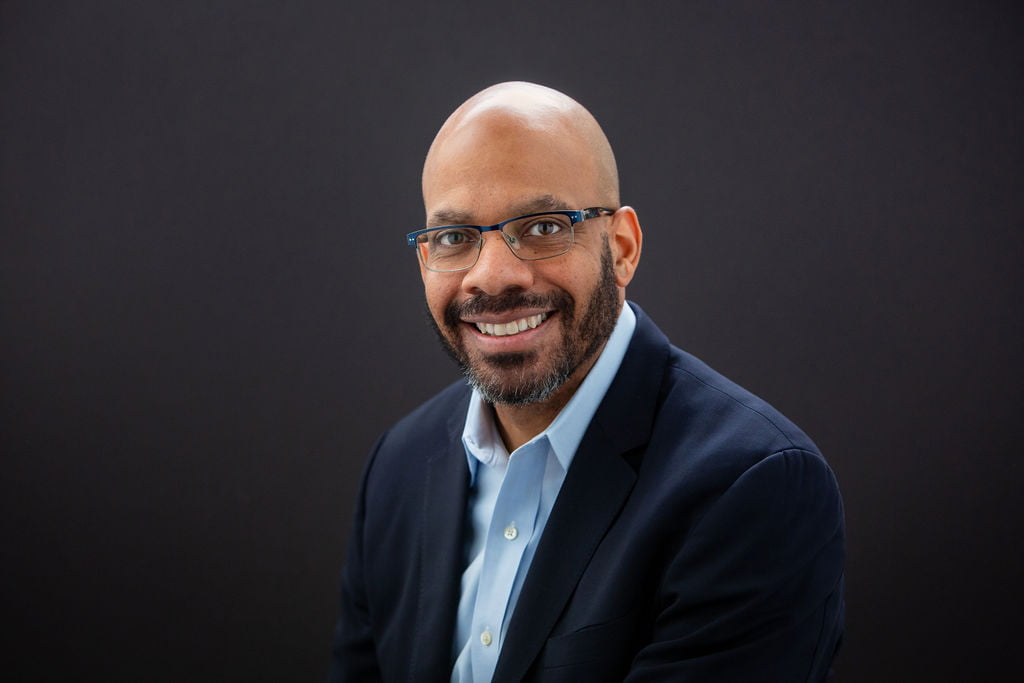
BOSTON (October 25, 2022) – The past decades have seen the steady rise and proliferation of Community Development Corporations (CDCs), organizations created with the goal of revitalizing neighborhoods that had fallen victim to economic hardship. Areas that had fallen into disarray following years of neglect were offered new opportunities to provide affordable housing for those in need as the cost of living continued to increase and reinvigorate their communities which had in many ways become disconnected.
Click Here To Read Blog Post
CEDAC early-stage funding in Q4 of FY22 will help create or preserve more than 460 units of affordable housing in eight communities across Massachusetts
Projects stretch from Amherst to Provincetown with CEDAC commitments totaling $22 million
Click Here To Read Press Release
Baker-Polito Administration And CEDAC Award Funding In 2022 Winter Rental Round To Help Create Or Preserve More Than 1,474 Units Of Affordable Housing Across Massachusetts.

Projects stretch from Beverly and Boston to Chicopee with CEDAC commitments totaling $6.5 million.
BOSTON (Aug 11, 2022) – The Community Economic Development Assistance Corporation (CEDAC) is proud to announce its work as a financing partner in the production or renovation of 26 affordable housing projects announced during the Baker-Polito Administration’s most recent Winter Rental Round. state funding represents a combination of direct subsidies, state and federal tax credits, and other resources to support the creation and preservation of affordable housing through multiple funding rounds each year. These most recent awards announced on July 26th comprise the biggest funding round of 2022 and include housing for seniors, families, and individuals.
CEDAC’s total commitment of $6.5 million in acquisition and predevelopment financing will facilitate affordable housing development by community development corporations and other non-profit entities. CEDAC provided predevelopment and/or acquisition financing to the following six projects:
Anchor Point Phase 2
Using CEDAC acquisition financing in January of 2018, Harborlight Community Partners, Inc. (HCP) acquired a five-acre site to develop the Anchor Point project. HCP will build 77 new affordable family rental units, all two and three-bedroom units, in two phases. Each phase will consist of a three-story wood frame building with a community room, common laundry and elevator, and the two buildings will be connected by a pedestrian bridge. The first phase of the project has completed construction and celebrated its ribbon-cutting on July 29th. Anchor Point Phase 2 (Phase 2) will include 39 units affordable to low-income households at or below 60% AMI. Sixteen units will be reserved for households at or below 30% AMI, 8 of which will house formerly homeless families. CEDAC provided $948,306 in predevelopment and $1,620,000 in acquisition funds for the project.
150 River Street
Caribbean Integration Community Development (CICD), in partnership with The Planning Office for Urban Affairs (POUA), will construct a 30-unit affordable senior housing development on a vacant, one-acre, City of Boston-owned site on River Street in Mattapan. The project consists of three studio units and 27 one-bedroom units across three floors, as well as 2,800 square feet of common space. Of the 30 units, 11 are designated for 30% AMI households, 15 are designated for 60% AMI households, and four are designated for 70% AMI households. CEDAC provided a predevelopment loan of $750,000 for the project, as well as a $15,000 loan to CICD to support this emerging minority-led community development organization.
Aileron
Neighborhood of Affordable Housing, Inc. (NOAH), is constructing 36 units of affordable rental housing and 2,550 square feet of commercial studio space for artists. The project involves a five-story building with eight units for households at or below 30% AMI, and 28 units for households at or below 60% AMI, plus a common-area work bar and art gallery, shared laundry, and a management office. In response to a neighborhood desire to support local artists, the project will also include 17 artist work-space studios (commercial) of the units, and the building will also include three shared artist studios, a common-area work bar and art gallery, shared laundry, and a management office, a building with 17 artist work-space studios (commercial) available for rent with a preference for Aileron residents. NOAH received City of Boston developer designation with their proposal which will convert the long-neglected property into productive use. At an adjacent property NOAH is developing 7 mixed income ownership units. CEDAC provided $620,000 in predevelopment loan financing.
Carol Avenue Rehab
Carol Avenue Apartments is a 100-year-old property in Brighton, which was purchased by the Allston Brighton CDC in July 2018. The project consists of the preservation of 33 units in three adjacent buildings: 6 Carol Ave. (12 units), 10 Carol Ave. (10 units) and 12 Carol Ave. (11 units). The CDC is proposing an extensive renovation of the property which will include, among other work, new mechanical systems, windows, doors, added insulation, new ventilation, improved accessibility and new fire suppression. CEDAC provided a predevelopment loan of $250,000 for the renovation.
Belcher Apartments
Valley Opportunity Council, Inc. (VOC) will renovate an abandoned historic school building, known as Belcher School, and create 25 units of housing in Chicopee. The Belcher Apartments project will contain 25 units, including 2 one-bedroom units, 17 two-bedroom units, and 6 three-bedroom units. 22 units will serve households whose incomes are at or below 60% AMI, including 7 units reserved for households at or below 30% AMI and, in some cases, transitioning from homelessness. All residents will have access to supportive services and an on-site resident service coordinator will connect residents to various services offered by VOC and other area providers. There will be 3 market rate units and 3 fully accessible units. 43 off-street parking spaces will be created. This project received city support through inclusion in a zoning overlay district designed to assist projects like Belcher Apartments. CEDAC committed a predevelopment loan of $290,000 for the project.
22 Johnston Way
Stow Elderly Housing Corp. (SEHC) is constructing 37 new units and rehabilitating 50 existing units for seniors with supportive services at their Stow Apartments site. Funding sources include state and federal low-income housing tax credits and subsidy funds, plus local Community Preservation Act funds. All 87 units will be restricted for seniors earning less than 60% of AMI, with additional units further restricted for seniors earning less than 30% of AMI. CEDAC provided patient acquisition and predevelopment financing totaling $2,027,500 dating back to 2011, while SEHC sought 40B zoning approvals for the new units. SEHC’s perseverance, and the town’s unwavering support, will help to address the pressing need for high quality affordable homes for seniors in Stow.
About CEDAC
CEDAC is a public-private community development financial institution that provides project financing and technical expertise for community-based and other non-profit organizations engaged in effective community development in Massachusetts. CEDAC’s work supports two key building blocks of community development: affordable housing and early care and education. CEDAC is also active in state and national housing preservation policy research and development and is widely recognized as a leader in the non-profit community development industry. For additional information on CEDAC and its current projects, please visit www.cedac.org.
Baker-Polito Administration And CEDAC Award Funds To 11 New Supportive Housing Projects
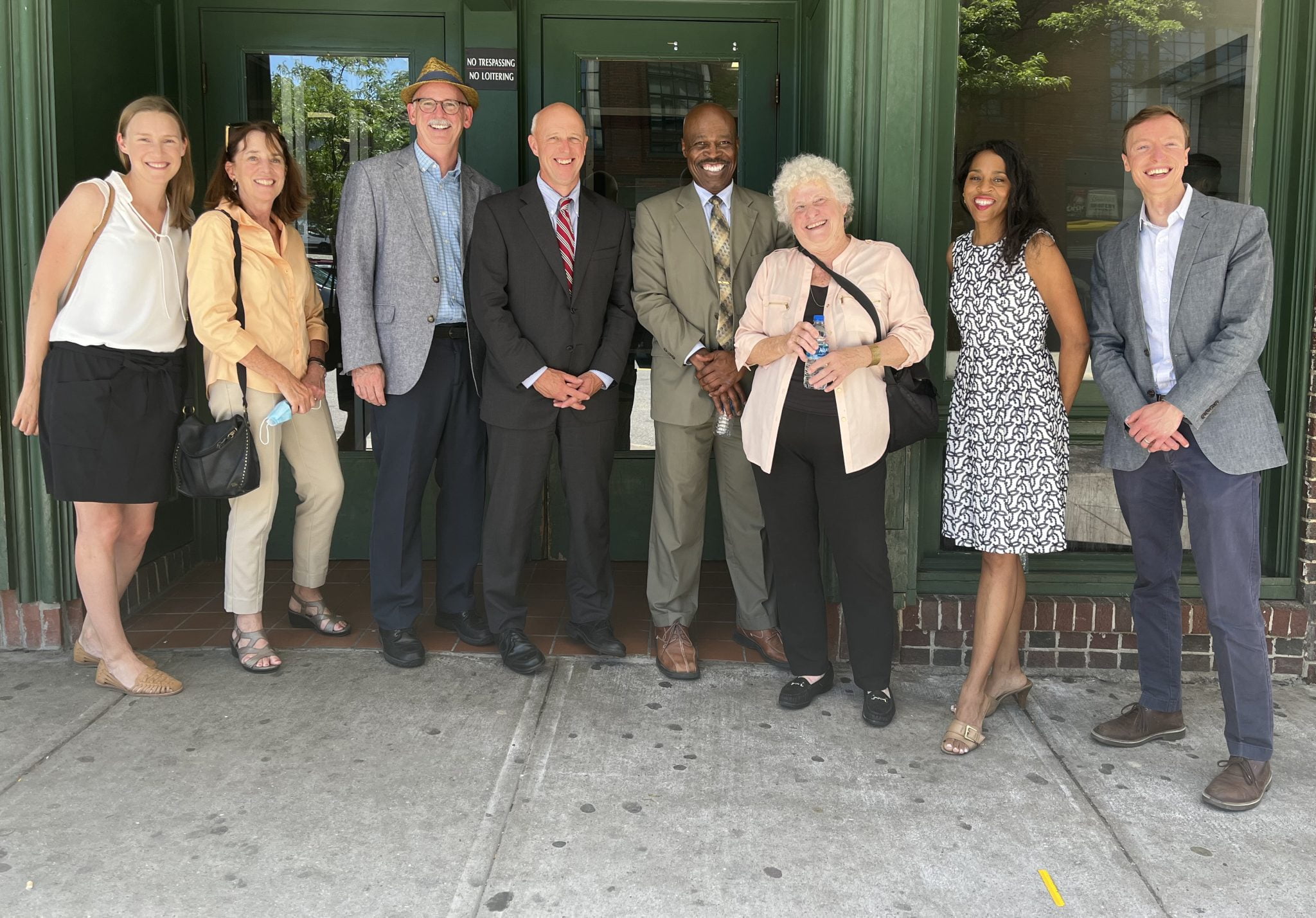
CEDAC housing team joins Secretary Kennealy, Undersecretary Maddox and Kate Racer at the supportive housing announcements in Worcester.
CEDAC committed predevelopment or acquisition financing to 6 of these projects
BOSTON, July 20, 2022 – The Community Economic Development Assistance Corporation (CEDAC) is proud to serve as a financing partner in the production or preservation of 11 supportive housing projects announced during the Baker-Polito Administration’s most recent Supportive Housing funding round. The new projects represent 437 units of supportive housing and will provide essential shelter and care for individuals and families in need across the Commonwealth. CEDAC committed a total of over $5 million in early-stage financing for the production and preservation of six of these supportive housing projects.
“CEDAC is proud to collaborate with the Baker-Polito Administration and our non-profit housing partners on these new developments, which come at a time of intense need as the Commonwealth faces an ongoing housing shortage that affects the most vulnerable members of our population,” said Roger Herzog, CEDAC’s Executive Director. “We look forward to continuing our work with Undersecretary Jennifer Maddox and her team at the Department of Housing and Community Development (DHCD) as we pursue our mission to increase housing accessibility for those in need.”
CEDAC provided predevelopment and/or acquisition loans to the following projects:
- Warren Street Housing, Boston: Commonwealth Land Trust, Inc. acquired two buildings, located at 570 and 570R Warren Street in the Grove Hall section of Dorchester, for renovation. The developer will create 26 single room occupancy (SRO) units of permanent supportive housing for vulnerable individuals. The site is located one block from Blue Hill Avenue and one-half mile from Franklin Park. All units will be affordable to individuals at or below 50% of the area median income (AMI), including 13 reserved for formerly homeless individuals at or below 30% AMI. CEDAC provided a predevelopment loan of $300,000 for the project.
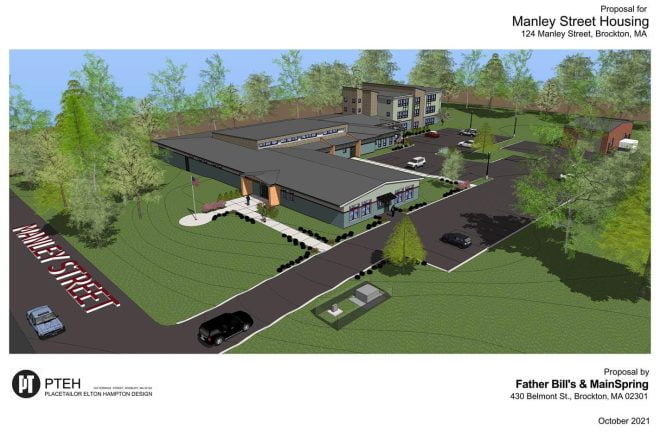
- Manley Housing Resource Center (Phase 1), Brockton: Father Bill’s & Main Spring (FBMS) will renovate and expand the former U.S. Army Reserve Center at 124 Manley Street in Brockton, which has been vacant since 2015, to create the Manley Housing Resource Center (MHRC), a multi-use facility that will provide emergency shelter, wrap-around supportive services, and permanent supportive housing, all in one location. The MHRC will be developed in two phases. The first phase, which is the subject of this award, will consist of the renovation of the U.S Army Reserve Center into a 128-bed emergency shelter and a day program center with an on-site health clinic. A 1,500-square-foot addition will house case management offices and supportive service space. CEDAC provided a predevelopment loan of $400,000 for the project.
- Catalyst Housing, Lynn: Harborlight Community Partners, Inc. (HCP) and The Haven Project (THP) have entered into a joint venture agreement to acquire and renovate the third and fourth floors of a historic loft building located at 57 Munroe Street in downtown Lynn. The partnership will create 23 studio units for formerly homeless unaccompanied youth and one studio resident manager unit. Twenty-three units will be affordable to youth earning less than 30% of area median income. CEDAC provided a predevelopment loan of $256,252 for the project.
- 275 Chestnut Street, Springfield: In early 2020, Home City Development Inc. (HCDI) completed construction of 101 enhanced SRO units in the four upper floors of the former YMCA building located on Chestnut Street in Springfield. HCDI is now planning to purchase an additional section of the building and will use this space on the first and second floors to create 29 additional enhanced SRO units. CEDAC provided a predevelopment loan of $220,000 and committed acquisition financing of $350,000.
- New Point Family Apartments, Salem: North Shore Community Development Coalition’s (NSCDC) project involves the acquisition and preservation of 18 units of naturally occurring affordable housing for families in three buildings in Salem’s Point neighborhood. The project will create long term affordability where none currently exists and will fund much needed capital improvements including enhanced energy efficiency. As the occupied units turnover, NSCDC will lease the apartments to homeless families and provide supportive services. CEDAC provided predevelopment loans totaling $437,100 and an acquisition loan of $2,874,400.
- Gordon H. Mansfield Veterans Community, Tewkesbury: Soldier On, Inc. entered into a development agreement to purchase a 1.5-acre parcel of land at 1660 Main Street in Tewksbury to construct 21 units of permanent supportive housing for veterans who are homeless or at risk of homelessness. The project will consist of 18 one-bedroom units and three studios all affordable to households earning less than 80% of area median income, including six restricted for households earning less than 30% of area median income. CEDAC provided a predevelopment loan of $225,000.
CEDAC works with DHCD on all 11 of these funded supportive housing projects through its management of several state bond programs.
About CEDAC
CEDAC is a public-private community development financial institution that provides project financing and technical expertise for community-based and other non-profit organizations engaged in effective community development in Massachusetts. CEDAC’s work supports two key building blocks of community development: affordable housing and early care and education. CEDAC is also active in state and national housing preservation policy research and development and is widely recognized as a leader in the non-profit community development industry. For additional information on CEDAC and its current projects, please visit www.cedac.org.
Featured images: a rendering of Manley Street Housing project; CEDAC housing team with Secretary Kennealy, Undersecretary Maddox and Kate Racer.
CEDAC Commits Over $7.1 Million in Early-Stage Financing to Six Community Development Projects in Third Quarter of FY22
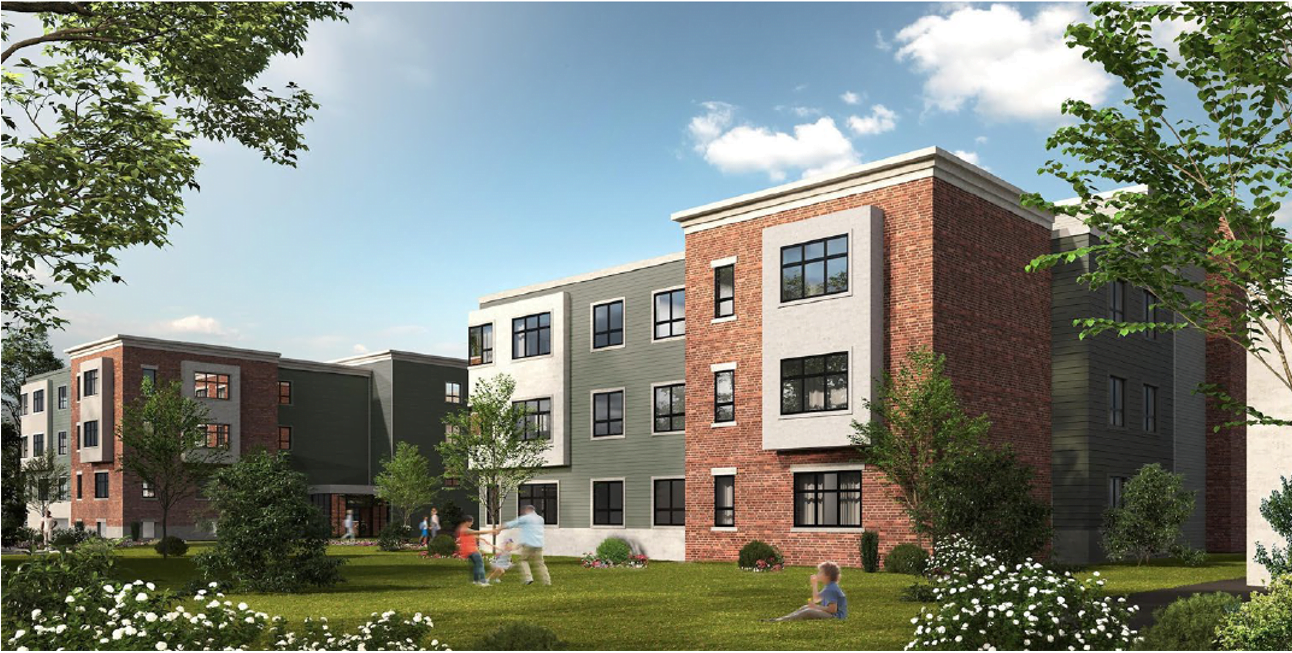
CEDAC is proud to report that we have committed $7,125,700 in early stage financing for the production and preservation of affordable housing in 6 projects during the third quarter of Fiscal Year 2022. Across the Commonwealth, we continue to see a healthy pipeline of housing development projects in urban neighborhoods and high opportunity suburban communities. CEDAC’s financial and technical assistance supports non-profit community development partners to plan and build these projects, helping navigate the housing development process during the predevelopment phase to secure site control, zoning and local permitting approvals, and finally construction and permanent financing commitments. As this year continues, we expect to assist in the creation of a large number of additional developments to meet the high demand for affordable housing from Massachusetts residents.
Read more about our lending commitments in Q3 of FY22.
Featured image: a rendering of East Boston CDC’s 2 Shawsheen Road project.
Struggling Hotel Becomes Housing for People Experiencing Homelessness
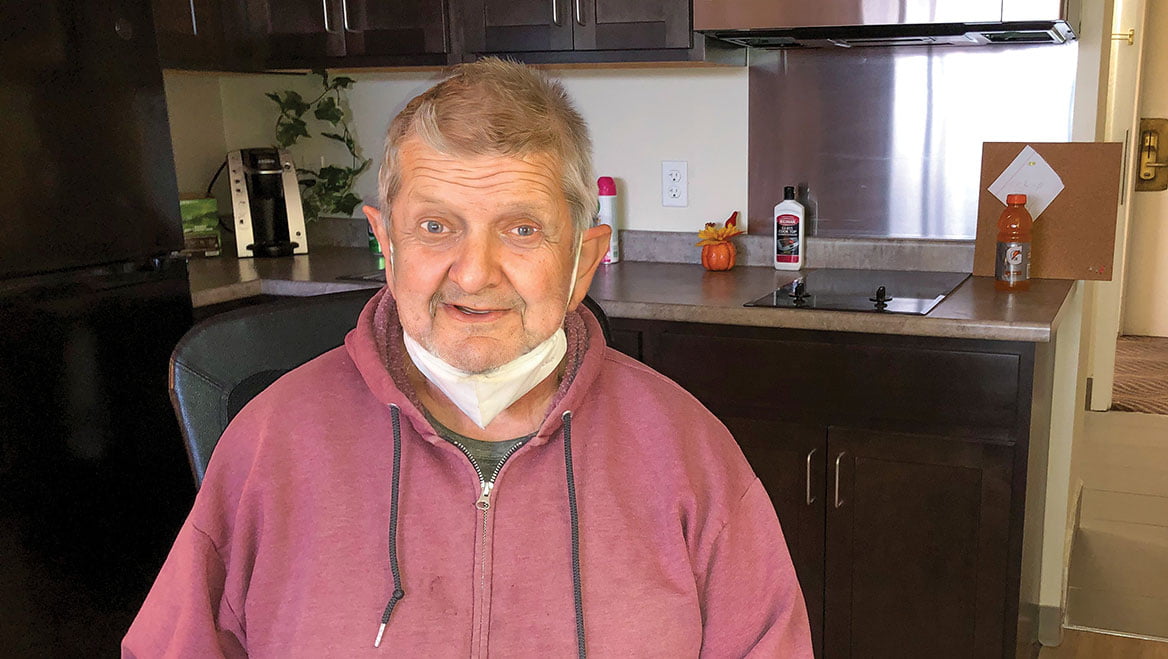
When the COVID-19 pandemic began, people living in congregate facilities — spaces with shared living areas like bedrooms and bathrooms — were especially vulnerable to infection.
At MainSpring House, an emergency shelter for people experiencing homelessness in Brockton, Massachusetts, the COVID infection rate among the 140 adult shelter guests rose to more than 30 percent in the first two months of the pandemic.
Today, those stats look very different. Some shelter guests will be moving into units of their own at the Roadway Apartments in the first quarter of 2022. What began as an emergency measure to protect MainSpring House guests’ health is now an adaptive reuse success story: An underused hotel has been transformed into 69 units of permanent supportive housing, with renovations expected to be complete this spring.
More than a stopgap
In April 2020, Father Bill’s & MainSpring (FBMS), the shelter’s operator and service provider, depopulated the facility in an effort to allow for safe social distancing and prevent further outbreaks. FBMS quickly erected outdoor tents in an adjacent parking lot and moved some guests there, but the tents were only a stopgap measure.
“We needed a viable, long-term solution to permanently reduce the shelter population, especially since many of our guests are at high risk of infection,” says John Yazwinski, FBMS’s president and CEO.
Less than three miles away from MainSpring House, the Rodeway Inn sat empty due to the surging pandemic. Seeing an opportunity, FBMS leased the entire hotel in June 2020 and swiftly relocated more than 60 shelter guests.
The move paid off. The COVID infection rate at MainSpring House plummeted to less than one percent. For guests like Charles, 70, who has serious health issues and has experienced homelessness for four years, the change was a lifesaver.
“It’s better because I have my own room. I have my own privacy,” he says. (Charles, like other FBMS clients quoted in this story, is using his first name only for privacy.)
Reimbursements from FEMA helped FBMS run the hotel temporarily as an emergency non-congregate shelter, but FBMS knew the subsidies wouldn’t last. FBMS approached the hotel’s owner and negotiated a purchase for $4.2 million.
Zoning tools and funding
As the project’s potential came into view, the state’s Department of Housing and Community Development (DHCD) announced in August 2020 that it would make up to $10 million available in capital resources for creating permanent supportive housing.
“As COVID-19 revealed, the lack of affordable housing in the Commonwealth is a public health crisis, particularly for those most vulnerable among us,” says Massachusetts Housing and Economic Development Secretary Mike Kennealy. The project received more than $7 million in subordinate debt and 69 operating subsidies from DHCD for renovation of hotel rooms into enhanced single room occupancy (SRO) units with kitchenettes. (See the table below for a fuller picture of the project’s funding.)
Funding the Roadway Apartments

A former Rodeway Inn welcomes the first tenants of its newly renovated SRO units in the first quarter of 2022.
FBMS also needed the support of its partners at the local level, since the change in use from hotel to housing required city approval. But there was no time for a potentially lengthy public permitting process, given the still-surging pandemic.
FBMS used a zoning tool available in Massachusetts known as the Dover Amendment, which exempts nonprofit organizations providing educational services from land use and dimensional requirements. This tool allowed the homeless service provider to quickly secure its building permit without the need for a public process.
“We were happy to support FBMS in bringing new housing and much-needed services into our community,” says Brockton Mayor Robert Sullivan, whose administration helped confirm the applicability of the Dover Amendment.
To afford the acquisition price, FBMS needed a mission-driven lender that understood the project’s complex layering of public and private financing. FBMS turned to the Community Economic Development Assistance Corporation (CEDAC), a quasi-public community development financial institution that provides early-stage financing to nonprofits that develop affordable housing across Massachusetts.
“CEDAC was established in 1978 by then-state representative Mel King to support projects just like this one with financial and technical assistance,” explains CEDAC’s Executive Director, Roger Herzog.
In January 2021, CEDAC approved the $4.2 million acquisition loan to FBMS, which closed on its purchase of the property in March, ensuring that the 69 people living at the hotel temporarily would be able to stay permanently.

Renovated rooms include a bed, bath, dining area, and a kitchen with built-in storage. Photo courtesy of Father Bill’s and MainSpring.
Overnight, the congregate shelter population in Brockton was cut in half. The timing couldn’t have been better for Russell, who began experiencing homelessness at the height of the pandemic after struggling with substance use disorder.
“Without them, I would have nothing. I would be on the streets,” says Russell, citing FBMS’s efforts.
A replicable model
Brockton, with a population of 105,000, sits 25 miles south of Boston. The Roadway Apartments building is ideally located across the street from the Brockton VA Medical Center, and two nearby bus lines serve the downtown Brockton commuter rail station. A large shopping center is just a mile away and FBMS’s administrative offices lie just beyond that.
Residents also have access to a comprehensive set of wrap-around supportive services provided by FBMS’s on-site staff, which has already made a huge difference for Russell, who is celebrating one year of sobriety. “I’ve never really lived on my own, so it will be pretty cool to have my own space,” he says.
Since FBMS first proposed its hotel conversion, CEDAC has been providing technical assistance to several other organizations around the state interested in replicating this Housing First model. The success of future efforts “will require continued state capital and operating funds and dedicated service funding,” says CEDAC’s Herzog, particularly with more than 1,200 people still living completely unsheltered in Massachusetts.
FBMS began renovations in September 2021 and the first batch of units were finished soon after, in November. Charles will be one of the first residents to move into a completed unit, which will allow him to conveniently get to his doctor’s appointments. “This is the best thing that will ever happen,” he says.
Investing in child care infrastructure can be transformative
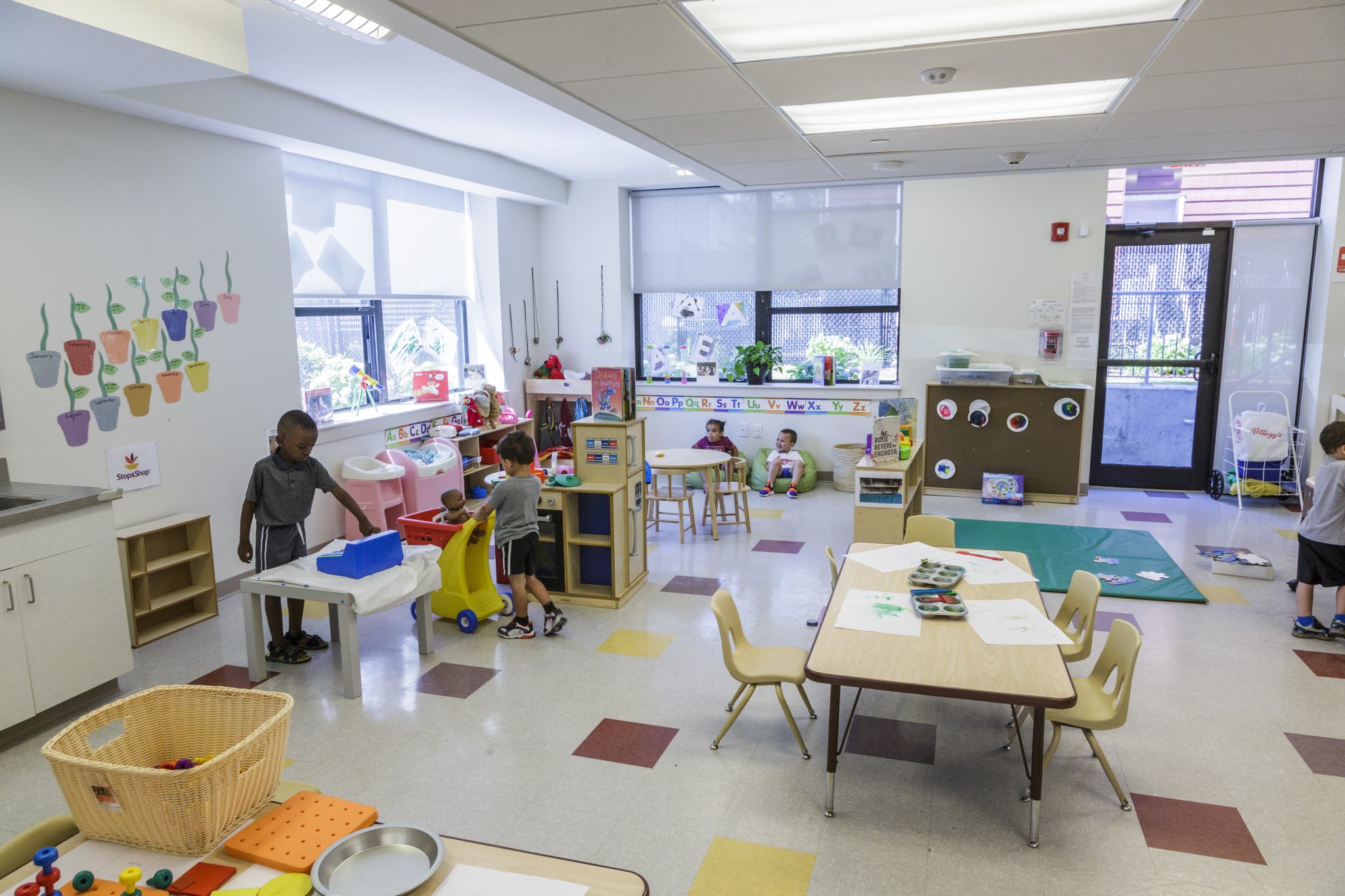
CHILD CARE is vital to our economy. This has never been more apparent than over the past 18 months as the COVID-19 pandemic shut down schools and child care centers across the Commonwealth – and the country. Parents and families rely on child care to work each day, and businesses rely on those employees to stay open and operational. The hope and expectation is that their children receive education and care in a safe and healthy environment that enables them to learn, socialize, and develop. The quality of these spaces is a crucial component of program quality.
Child care is essential, yet the nation’s system has faced scarce funding for decades. The physical infrastructure has suffered, as evidenced by a 2011 report by Children’s Investment Fund, which discovered that many child care centers in Massachusetts lacked necessities like efficient ventilation systems, sinks in classrooms for handwashing, adequate outdoor play spaces, and sufficient natural light.
Unfortunately, 10 years later, many child care centers throughout the Commonwealth still require much-needed investment to provide the high-quality care children and their educators deserve. While Children’s Investment Fund has provided support, training, and investments to centers, more work is to be done. The infrastructure challenges facing child care centers were made even more apparent in the wake of the COVID-19 pandemic, exposing the need to upgrade facilities to include proper ventilation and enough play and learning spaces that enable social distancing.
Children’s Investment Fund recently released a report, Building Quality: Transforming Early Learning Environments in Massachusetts, reflecting on the organization’s 30 years of work and highlighting the Early Education and Out of School Time Capital Fund created in 2013 together with the Department of Early Education and Care. The report rebrands the program as the Building Quality Capital Fund. Since its establishment, the Building Quality Capital Fund has invested a total of $39.2 million in child care facilities across Massachusetts, including $7.5 million in additional grants announced this summer to address emergency COVID-related needs.
Over half of the facilities are located in Gateway Cities. Ensuring that safe, viable child care facilities exist in these cities will only further efforts to revitalize these cities, support workers, and support their local economies.
One of the grantees, For Kids Only Afterschool, received a $400,000 award to help construct an afterschool building in Revere to serve up to 140 children. The funds allowed the organization to move from a leased storefront with no outdoor play space to a brand-new building with a commercial kitchen, large gym, and better ventilation. The impact on the program was transformative. The ample space, operable windows, and outdoor space became essential once the COVID-19 pandemic hit years later.
Not all environments produce equal results for all children. Through research and our 30 years of experience, Children’s Investment Fund has learned that child well-being is enhanced when facilities incorporate spacious classrooms, a bathroom in each room, natural light, indoor and outdoor play areas, and proper ventilation. The Building Quality Capital Fund has demonstrated that these improvements are possible and that a mix of public and private funding can achieve these results. The funding has helped improve learning environments for over 9,000 children, more than 80 percent of whom live in low-income households.
For the first time in decades, our society seems to understand the value of child care in our communities. Most parents need to work, and their children need stimulating environments that support their healthy social-emotional, physical, cognitive, and language development during the long hours spent away from home. We must continue to raise the bar for our children and support the organizations who care and educate them as they seek to revitalize their spaces to provide high-quality learning environments. We have an opportunity to meet the moment and give these centers the investments and tools they need.
Theresa Jordan is director of the Children’s Investment Fund.
McElwain School Apartments Groundbreaking
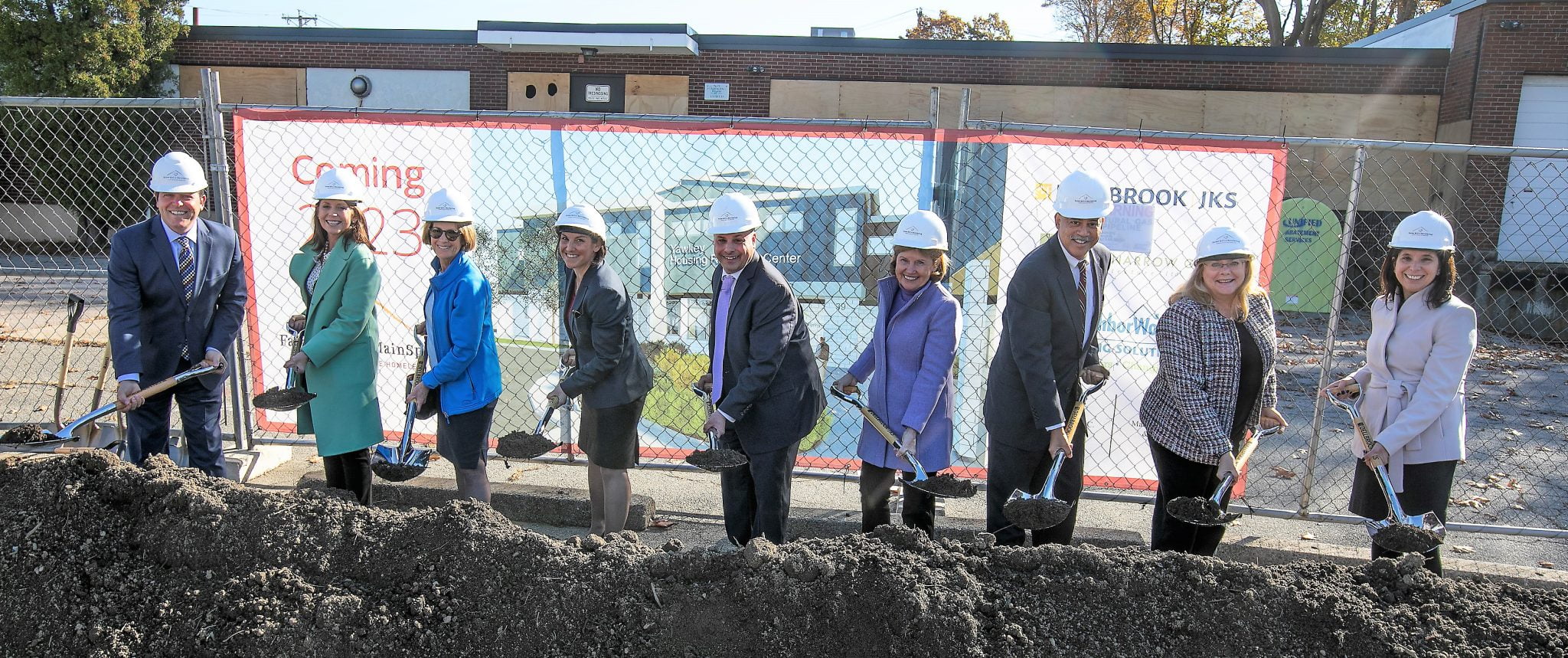
QUINCY, Mass., Tuesday, November 9, 2021] The nonprofit organization Father Bill’s & MainSpring (FBMS) is breaking ground on a new development, the Yawkey Housing Resource Center, which reimagines how a community responds to homelessness. Business and community leaders joined FBMS at the future property site Tuesday, November 9, 2021 to commemorate the start of a project they say could serve as a national model.
The Yawkey Housing Resource Center development, comprised of two new buildings, will be home to a new service-delivery model that adds daytime supports and streamlines services with the goal of ending homelessness on the South Shore and across Southern Massachusetts. The property will include a day center, an emergency shelter, and on-site efficiency apartments.
The new approach would dedicate more staff and resources to homelessness prevention, diversion and rapid re-housing, thus reducing the overall reliance on overnight shelter.
“We are grateful to our generous partners in the private and public sectors who have stepped up to invest in this bold vision,” said John Yazwinski, President & CEO of FBMS. “Our community continues to show us that we are not alone in this fight to end homelessness. One of our mission’s founders, the late Father Bill McCarthy, used to always say to me that our goal is to take down the sign at our shelter and end homelessness, not manage it. Today, our compassionate network of supporters are helping turn Father Bill’s dream into a reality.”
Other speakers at Tuesday’s event included: Arbella Insurance Group President & CEO John Donohue; Maureen H. Bleday, CEO and Trustee of the Yawkey Foundation; Quincy City Councilor Brian Palmucci; Roger Herzog, Executive Director of the Community Economic Development Assistance Corporation (CEDAC); and April Connolly, Chief Operating Officer of FBMS. The Rev. Dr. Adolph H. Wismar, Jr, a co-founder of FBMS and current board member, provided the opening prayer, and the Rev. Rebecca Froom, minister of the United First Parish Church in Quincy, provided a closing blessing.
The administration of Governor Charlie Baker and Lieutenant Governor Karyn Polito, through the Department of Housing and Community Development, has awarded $6 million in capital funding toward construction of the Yawkey Housing Resource Center two-building development.
Last week, FBMS announced the Yawkey Foundation’s gift of $2 million toward the innovative project, which will cost approximately $24 million in total. The property at 39 Broad Street will be called the Yawkey Housing Resource Center, in honor of the Yawkey Foundation’s longtime support of FBMS.
This $2 million commitment from the Yawkey Foundation serves as a lead gift in FBMS’ “A Path Home” campaign to raise $10 million privately toward the project’s capital and programmatic expenses.
The Yawkey Housing Resource Center will be constructed across the street from FBMS’ existing emergency shelter, Father Bill’s Place, which will be knocked down as part of the City of Quincy’s plans to build a new Public Safety Complex. The City of Quincy, in addition to awarding the development $1 million from its Affordable Housing Trust Fund, has signed a 99-year lease with FBMS for use of the site at 39 Broad Street.
The first phase, expected to be completed by the spring of 2023, is a two-story, 16,000 square-foot building will include the following: FBMS program and training spaces; co-located resources including a full, primary-care medical clinic, substance use and mental health services and housing assistance; shelter beds with lockers and showers for guests; a commercial kitchen space and dining area; and administrative offices.
The second phase, expected to break ground in spring of 2022 and be completed by summer of 2023, is a four-story, 20,000-square-foot building comprised of 30 units of permanent supportive housing for formerly homeless individuals. FBMS currently operates more than 600 permanent supportive housing units for formerly homeless individuals, families, and Veterans across Southern Massachusetts.
Supporters of Yawkey Housing Resource Center
Public Funders: Administration of Governor Charlie Baker & Lieutenant Governor Karyn Polito – Department of Housing and Community Development, Executive Office of Health and Human Services; City of Quincy; Quincy Affordable Housing Trust Committee; Quincy Housing Authority; Massachusetts Housing Investment Corporation; Community Economic Development Assistance Corporation (CEDAC); Property Casualty Initiative.
Private Funders: Alvarium Foundation; Arbella Insurance Foundation; Boselli Family; Patricia Conway; John Donohue & Frances Robinson; Eastern Bank; Philip & Deborah Edmundson; The Flatley Foundation; Jack Conway & Co., Inc.; Lisa Lenon & William Stanton; The McKim Family; William Murphy; The Pineau Family; Quincy Mutual Group; Rockland Trust; South Shore Bank; Jack & Kay Spurr; Yawkey Foundation.
Development Team: Property Manager and Service Provider – Father Bill’s & MainSpring; Development Consultant &
Owner’s Project Manager – NeighborWorks Housing Solutions; Architect – The Narrow Gate Architecture; General Contractor – Dellbrook | JKS; Project Attorneys – Hackett Feinberg, P.C.; Matera, Vopat, Matera & Johnson, P.C.
About Father Bill’s & MainSpring
Father Bill’s & MainSpring (FBMS) is the leading provider of services to prevent and end homelessness in Southern Massachusetts. The agency, founded in the early 1980s by a group of interfaith and community leaders, helps more than 5,000 people annually who are experiencing, or at risk of, homelessness, achieve more self-sufficiency through a range of services including homelessness prevention, emergency shelter, employment programs, and more than 600 permanent supportive housing units. FBMS, a proud partner of the United Way of Greater Plymouth County and the United Way of Massachusetts Bay and Merrimack Valley, is a 501(c)(3) non-profit agency with administrative offices in Quincy and Brockton and program offices throughout Southern Massachusetts. For more information, visit www.helpfbms.org.
McElwain School Apartments Groundbreaking
FOR IMMEDIATE RELEASE
****************************************
Press Release
Contact: Mathieu P. Zahler
617-645-3534
mzahler@mpzdevelopment.com
MCELWAIN SCHOOL APARTMENTS GROUNDBREAKING
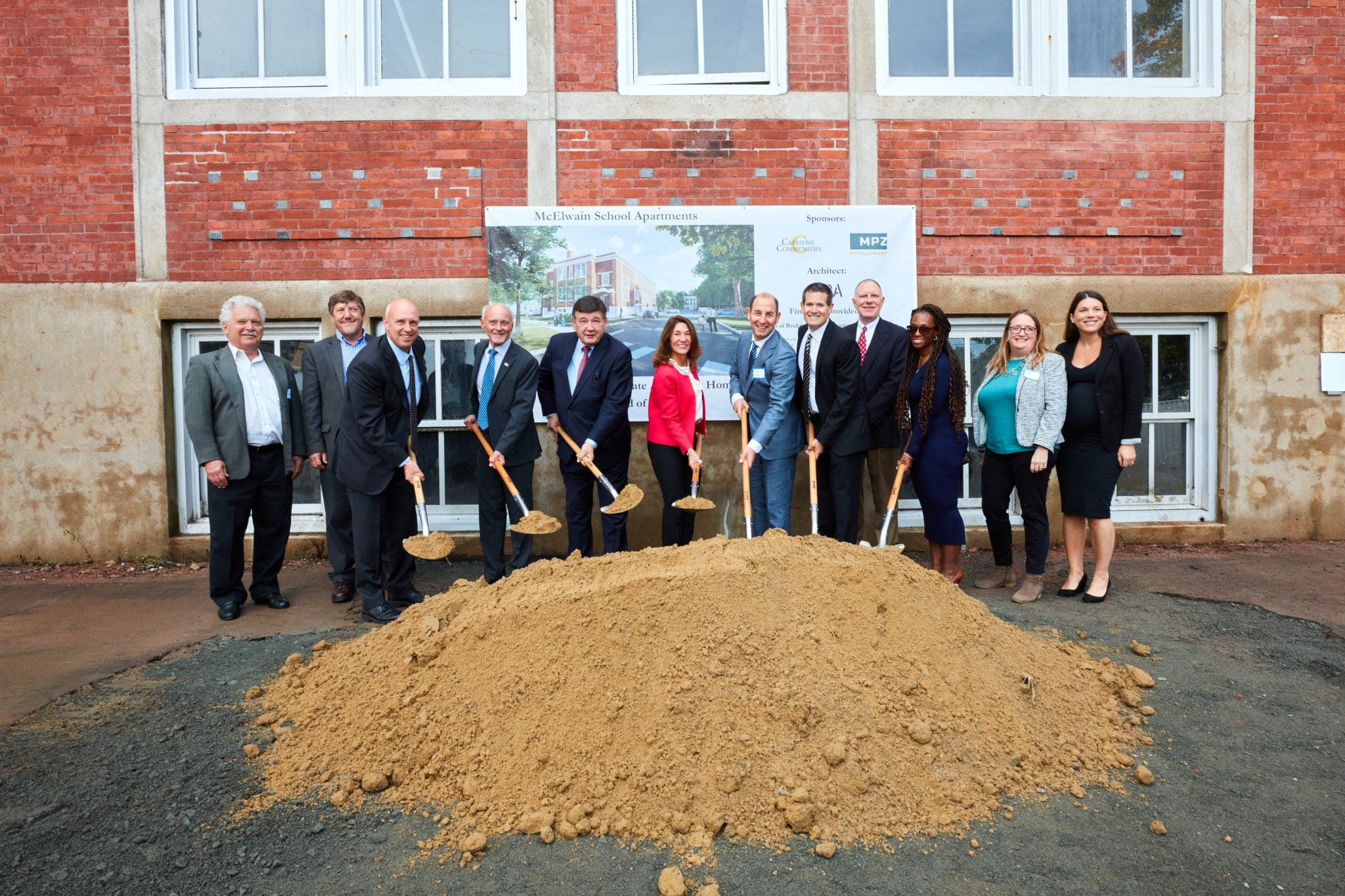
BRIDGEWATER – Tuesday, October 12, 2021 – Capstone Communities LLC and MPZ Development LLC announce the groundbreaking of McElwain School Apartments, a mixed-income 57-unit apartment community located on Main Street in the Town of Bridgewater. The groundbreaking ceremony was held on Tuesday, October 12th at 10:15am at 250 Main Street, Bridgewater, MA. McElwain School Apartments will serve the hard-working families and individuals who are looking for high quality and mixed-income housing in Bridgewater. This type of mixed-income project is the first of its kind in the Town of Bridgewater offering multiple types of affordable housing options in both new construction and rehabilitated buildings.
McElwain School Apartments provides fifty-seven (57) apartment homes with thirteen (13) one-bedroom units, thirty-six (36) two-bedroom units, and eight (8) three-bedroom units. Six (6) apartments are rented to households at market rates. 42 apartments are rented to households earning no more than 60 percent of area median income ($42,000-$64,740 depending on household size), three (3) apartments are rented to households earning no more than 50 percent of the area median income ($35,000-$53,950), and six (6) apartments are being rented to households earning no more than 30 percent of area median income ($21,000-$32,370).
The $28.9 million development is located along Main Street/Route 28 outside Bridgewater Center. The development is not far from the Bridgewater Town Green and a short walk to several local restaurants including the Juice Mill, Restoration Coffee, and the Greyhound Tavern. The McElwain School Apartments’ name pays homage to William H. McElwain (1867-1908), the founder of the William H. McElwain Shoe Company, a shoe manufacturer who was one of the major employers in Bridgewater at the turn of the 20th century.
The Town of Bridgewater through its Community Preservation Act provided $1.345 million in loans for the project.
“In 2017 Matt Zahler and Jason Korb had an ambitious vision to take an abandoned public school and make its hallways hum with activity again.” said Michael Dutton, Bridgewater Town Manager. “The Baker-Polito administration recognized that vision and together with Capstone Communities LLC and MPZ Development LLC, made it happen. The people of Bridgewater also saw the wisdom of creating quality housing for those who are challenged to find adequate housing in this market and granted over $1 million in Community Preservation Act funds to get this project done. We are thrilled to see life in this old building. And we are thrilled with the team Matt and Jason have put together to get it done.”
Massachusetts Housing Investment Corporation (MHIC), one of the development’s many financing partners, issued a $14.4 million construction bridge loan; the loan was also participated in by The Life Initiative. In addition to the construction loan, MHIC also provided $10.6 million in federal tax credit equity, solar equity, and federal historic tax credit equity for the project. The Cape Cod Five Savings bank purchased the project’s State Low Income Housing Tax Credits, and the New York Life Insurance Company purchased the project’s State Historic Tax Credits. The Community Economic Development Assistance Corporation (CEDAC) will provide $600,000 in financing for the Project. The Department of Housing and Community Development (DHCD) is providing the State and Federal Low Income Housing Tax Credits and $6.4 million in loans for the development. The Massachusetts Housing Partnership (MHP) is providing a $5.3 million permanent loan for the project.
“Our administration is excited for the groundbreaking of yet another project that will result in new, needed, high-quality, affordable housing units that meet the needs of Massachusetts families of a wide range of incomes,” said Lt. Governor Karyn Polito. “Since the start of our administration, we’ve made affordable housing a top priority, and the McElwain School Apartments represent the best of efforts to be creative and reuse a historic property, which will breathe new life into an important part of town, while bringing new and desperately needed affordable housing to the community.”
“Producing more housing of all types has been a key area of focus since the start of the Baker-Polito Administration, and I want to congratulate the development team, the town of Bridgewater, and the project’s financing partners for the collaborative and innovative approach they took to get to this point today,” said Housing and Economic Development Secretary Mike Kennealy. “We used the term ‘Housing Crisis’ long before the COVID-19 pandemic and the public health emergency put on full display the consequences of an inadequate housing supply. But thanks to projects like this, we continue to make progress toward addressing this crisis through new housing opportunities that support the Commonwealth’s families and our economy.”
“The Life Insurance Community Investment Initiative (the Life Initiative) is delighted to have been a partner with Jason Korb and Mathieu (Matt) Zahler in helping bring the redevelopment of the McElwain School to fruition.” said Michael Gondek, Vice President of TLI. “We’d particularly like to congratulate the Town of Bridgewater for its noteworthy financial support for the 57 unit of affordable rental housing to be produced by the adaptive reuse of the former school, and the construction on the site.”
“CEDAC is pleased to join our state and local funding partners to celebrate the groundbreaking of this important new multifamily housing in Bridgewater, said Roger Herzog, CEDAC executive director. “We congratulate developers Jason Korb and Mathieu Zahler and commend them for the inclusive design to provide accessible housing units to support people with mobility impairments to live safe, independent lives in this community setting.”
“MassHousing is pleased to be part of this transformative effort to take an underutilized school property and create 57 new apartment homes for households with a range of incomes who will be able to live affordably in Bridgewater,” said MassHousing Executive Director Chrystal Kornegay. “With strong support from the town of Bridgewater, the development team is going to foster stable housing and economic opportunity for the individuals and families who will live at the McElwain School.”
“We congratulate Capstone Communities and MPZ Development for executing their transformative vision to turn a vacant school, three-family house, and an overgrown lot into a vibrant residential community,” said Kathy McGilvray, MHIC Director of Investment. “The McElwain School Apartments is a great example of pairing adaptive reuse of historic buildings with energy-efficient new construction. The development also represents the first time Bridgewater has used tax credit financing. MHIC is pleased to have been able to provide a comprehensive debt and equity financing package for the project.”
“Congratulations to Jason Korb and Capstone Communities, Matt Zahler of MPZ Development and the Town of Bridgewater for getting started on this exciting development,” said Clark Ziegler, executive director of the Massachusetts Housing Partnership. “As a mission-based lender, we strive to support housing like this, housing with strong local support and developers who work with the community to preserve a local landmark while adding much-needed affordable housing for individuals and families.”
“I am very pleased to have been invited to speak at the groundbreaking for this historic initiative to establish 57 new affordable housing units at the McElwain School in the Town of Bridgewater,” said Dean of the Massachusetts Senate Marc R. Pacheco (D-Taunton). “This new housing initiative will refurbish and renovate the long-vacant property with updates designed to preserve the structure’s architectural style and complement the historic quality of the surrounding area. Many thanks to the developer and to the Town of Bridgewater for utilizing federal and state housing support that will minimize the local resources needed to achieve impressive progress that will benefit the community.”
Jason Korb, Principal of Capstone Communities LLC and Mathieu P. Zahler, Principal of MPZ Development LLC added, “We are excited to officially break ground on McElwain School Apartments, which will provide urgently needed mixed-income housing for the Bridgewater community. Over the past four years, we worked tirelessly on the financing, design and construction of McElwain School Apartments and we are proud to provide such high-quality housing at rent levels that hard-working families can afford. We are especially thankful to the Town of Bridgewater and all the other public and private lenders that made the McElwain School Apartments possible.”
In addition to Jason Korb and Mathieu P. Zahler, speakers at the opening included:
Kimberly Williams, Assistant Town Manager, Town of Bridgewater
Fred Chase, Town Council Vice President, Town of Bridgewater
Honorable Lieutenant Governor, Karyn Polito, Commonwealth of Massachusetts
Honorable Senator Marc Pacheco, Massachusetts State Senate Dean, Massachusetts Senate
Honorable Michael Kennealy, Secretary of Housing and Economic Development, Commonwealth of Massachusetts
Clark Ziegler, Executive Director, Massachusetts Housing Partnership
Mark Teden, Vice President of Multifamily Housing, MassHousing
Kathy McGilvray, Director of Investment, Massachusetts Housing Investment Corporation
Michael Gondek, Vice President, The Life Initiative