

Housing Preservation
Much of the Commonwealth’s stock of affordable housing units is many decades old. Some properties need new capital investment to continue as affordable housing. Some properties face expiring restrictions that could allow them to convert to unrestricted, market-rate use. To preserve these affordable rental homes for long-term community benefit requires a combination of resident and community initiative, public and private investment, and technical expertise.
We work with non-profit affordable housing developers to help preserve those units, which are the homes to thousands of families and individuals across the state. We work with agencies at the local, state, and federal level to monitor at-risk units, administer several sources of “soft debt” for the Executive Office of Housing and Livable Communities, and work with developers to maintain affordability in buildings anywhere in the Commonwealth. Preventing the loss of existing affordable housing is a high priority for CEDAC, even as Massachusetts strives to add new housing.
CEDAC maintains a database of over 130,000 housing units in over 1,500 projects located throughout the state. These properties are privately owned but were produced using state and/or federal housing resources. Most funding programs required that owners commit to maintaining the affordability of these properties for a defined period of time – typically 20 to 40 years. CEDAC uses this database of affordable housing projects to identify when specific projects are eligible to end affordability restrictions and convert to market rate housing. Periodically CEDAC posts summary reports on the affordable housing stock.
On November 23, 2009, the Governor signed Massachusetts General Law Chapter 40T – An Act Preserving Publicly Assisted Affordable Housing. This landmark legislation aims to help preserve existing privately-owned affordable housing in Massachusetts. The legislation establishes notification provisions for tenants, a right of first refusal for DHCD or its designee to purchase publicly assisted housing, and modest tenant protections for projects with affordability restrictions that terminate.

-
 One in Four: America's Housing Assistance Lottery
 -
 Project-Based Section 8 Housing: The Case for Full Funding
 -
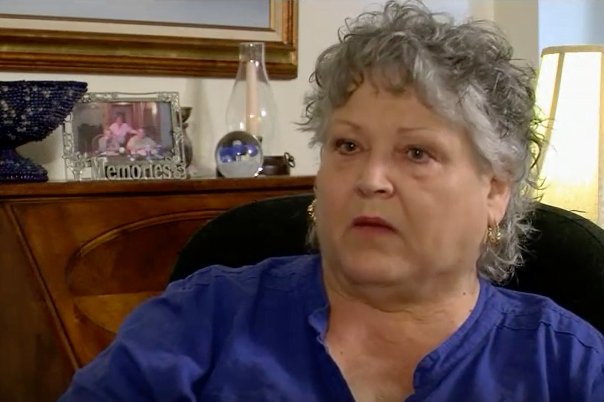 The Case for Preservation: A Place Called Home
-
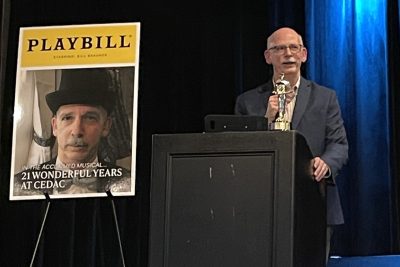 Celebrating The Contributions Of Bill Brauner, CEDAC’s Outgoing Director Of Housing Development & Preservation/ Apr 02, 2024
CEDAC recently celebrated the major contributions of outgoing Director of Housing Development & Preservation, Bill Brauner, as...
-
 An Assessment of Boston’s Housing Cooperatives/ Jan 25, 2023
BOSTON (January 25, 2023) – As the nation’s housing crisis escalates, affordable solutions feel scarce, especially in high-cos...
-
 Decade-old law has preserved 20,000 affordable housing units/ Dec 10, 2020
BOSTON – In its first 10 years in effect, a state law meant to preserve affordable housing in Massachusetts has protected almost...