


April marks Fair Housing Month, a time to consider how access to housing is shaped—not just by policy, but by the systems and investments that exist in our communities.
A recent Berkshire Eagle article offers a clear example of what that looks like in practice. The story follows residents in Berkshire County who have moved from prolonged housing instability into permanent supportive housing—an approach that combines affordable housing with on-site or connected services.
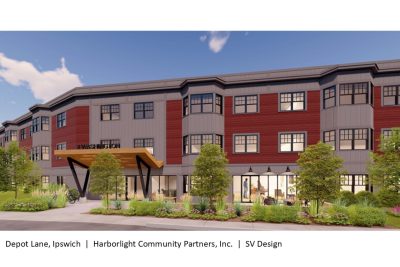
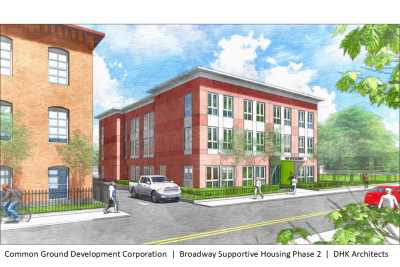
Supportive housing is more than a roof overhead. It creates the conditions for stability in other areas of life, from maintaining employment to navigating health needs or reconnecting with family. The model is designed to recognize that housing and supportive services are most effective when they work together.
CEDAC Executive Director Ethan Handelman spoke to the importance of this approach in the article, pointing to permanent supportive housing as a central strategy in addressing homelessness and meeting ongoing need across Massachusetts.
What stands out in these examples is not only the immediate impact, but the long-term outcomes. Residents are able to remain housed, build stability over time, and participate more fully in their communities—outcomes that are difficult to achieve without a consistent place to live.
At the same time, the story reflects a broader challenge. Many of the recent gains in supportive housing have been made possible through time-limited funding sources, even as demand continues to grow. Ensuring that this progress continues will require ongoing commitment from public investment and local implementation.
Fair Housing Month provides a moment to reflect on what it takes to make stable housing accessible in a lasting way. In Berkshire County and across the state, permanent supportive housing offers one example of how that work can move forward.
Read the full story in The Berkshire Eagle: